bluename
 How to Care for Large Pachira Aquatica - Warm Sunny Drought Tolerant Large Thick Stems Green Leaves
I killed my first three Pachira aquatica plants before I figured it out. If you're staring at your money tree with yellowing leaves and mushy stems, here's the direct answer: Stop watering so much. Move it to a spot with bright, indirect sunlight. And repot it into a terracotta pot with drainage holes. Let me break down my real-life journey over two weeks to show you how a large Pachira aquatica thrives in warm, sunny conditions with drought-tolerant care.
My Two-Week Experiment: From Near-Death to Thriving
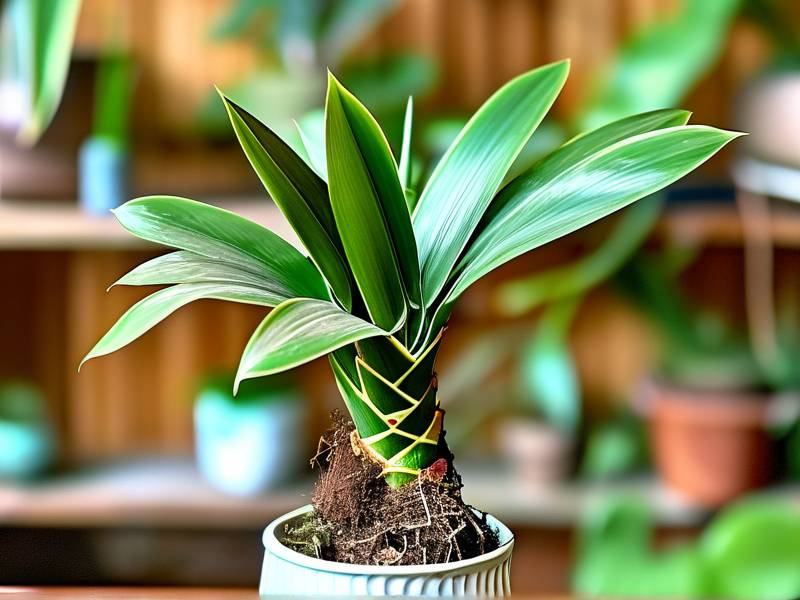
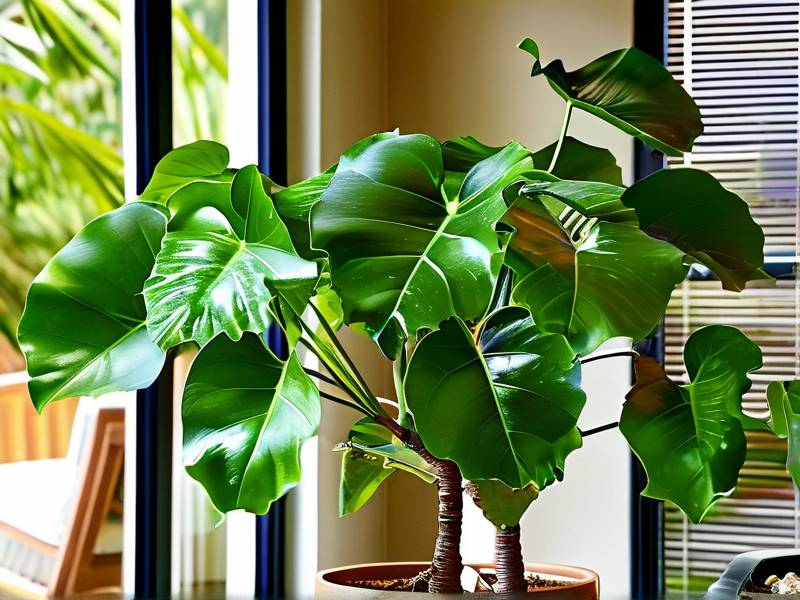
I had a massive Pachira aquatica—about four feet tall with thick, braided stems and lush green leaves. It looked perfect when I bought it. But within two weeks, leaves dropped like confetti at a sad party. I panicked. I watered more. I moved it around. I bought fancy fertilizer. Nothing worked.
Then I stopped. I researched. I talked to a nursery owner who laughed and said, "90% of indoor plants die from overwatering." That hit home for me. My over-loving was killing it.
So I started a strict two-week care routine. Here’s exactly what I did, day by day.
Week One: The Rescue Phase
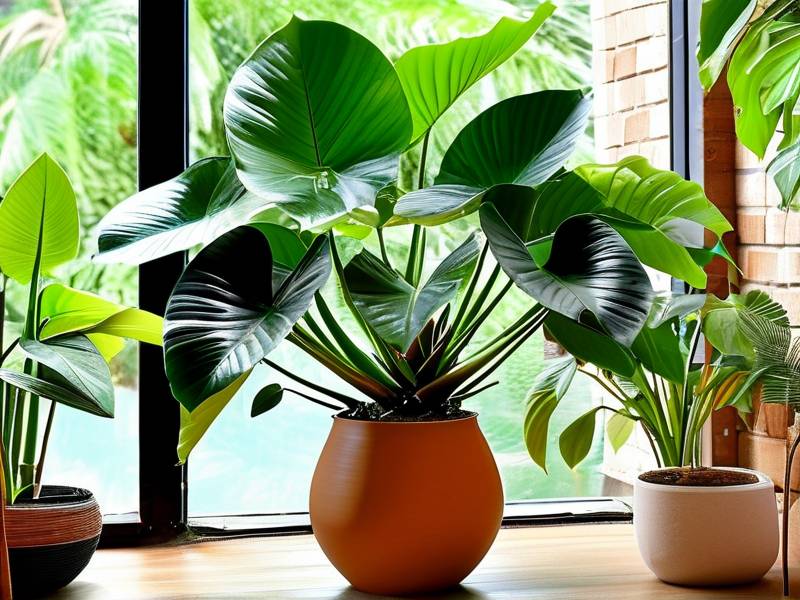
Day 1: I checked the soil with my finger—not just the top inch, but two inches deep. It was wet. Sopping wet. I pulled the plant out of its decorative pot and found no drainage holes. Classic mistake. I repotted it into a terracotta pot with a saucer. The terracotta breathes, and excess water evaporates faster.
Day 2-4: I placed the plant near a south-facing window but behind a sheer curtain. It gets about six hours of bright, indirect light. The leaves stopped dropping. They looked perkier each morning. I didn't water at all for the first week.
Day 5: One leaf tip turned brown. I snipped it off with clean scissors. This was a sign of low humidity, not watering. I misted the leaves lightly with a spray bottle. Mist, don't drench.
Day 7: I finally watered. But here's the trick: I used lukewarm water and poured slowly until it drained from the bottom. Then I let the pot sit in the sink for 15 minutes to drain completely. No standing water ever.
Week Two: The Recovery
Day 8: New growth appeared on the top. Tiny green leaves unfurling. I didn't fertilize yet. The plant needs to settle first.
Day 10: I rotated the pot a quarter turn every morning. This ensures even sunlight. Large Pachira can get leggy if they lean toward light.
Day 14: The plant looked vibrant. Thick stems felt firm. Leaves were dark green and glossy. No more dropping. I only watered once in two weeks. That's it.
The biggest lesson: drought-tolerant doesn't mean "water less often." It means "let the soil dry out completely between waterings." For a large Pachira aquatica, this can mean watering every 14-21 days in winter, and every 7-10 days in summer, depending on your home's warmth and light.
The 3 Deadly Mistakes Beginners Make (I Made All 3)
I'll be honest: I ruined two plants before this one survived. Here are the three errors that killed them. Don't repeat my stupidity.
Mistake 1: Overwatering
This is the number one killer. I watered my first Pachira every three days because I thought "thick stems" meant it needed constant hydration. Wrong. Thick stems store water. That's why they're drought-tolerant. When you overwater, the roots rot. You won't see signs until the leaves turn yellow and the stems go soft. By then, it's often too late.
How to avoid it: Stick your finger two inches into the soil. If it feels damp, wait. If it feels dry, water thoroughly. The pot should feel lighter after a week without water. I use a soil moisture meter now—it costs $10 and saves plants.
Mistake 2: Wrong Light
I thought "warm and sunny" meant full-on direct sunlight. So I placed my plant on a south-facing balcony in summer. Within four days, leaves burned. They turned pale, then crispy, then fell off. Large Pachira aquatica needs bright indirect light, not scorching direct rays.
How to fix it: Place it near an east or west window. Or a south window with a sheer curtain. If leaves start bleaching, move it farther from the glass. In winter, I use a grow light for extra warmth and light—about six hours a day.
Mistake 3: Using the Wrong Pot
My second plant died in a decorative ceramic pot without drainage. I thought the pebbles at the bottom would help. They don't. Water pools below the roots, and rot sets in. The pot itself must have a drainage hole. And the material matters: plastic pots hold moisture, while terracotta wicks it away.
My recommendation: Use a terracotta pot that's one to two inches larger than the root ball. Make sure there's at least one drainage hole. If you love a decorative outer pot, use it as a cachepot—set the terracotta pot inside it, but water in the inner pot and dump out any water that collects in the outer one.
Light and Temperature: Warm Sunny Doesn’t Mean Blazing
Large Pachira aquatica thrives in temperatures between 65-80°F (18-27°C). I keep mine away from drafty windows in winter and air conditioning vents in summer. Sudden temperature swings stress the plant, which leads to leaf drop.
For sunlight, I aim for bright indirect light for about six hours daily. In my apartment, that means a spot two feet from an east-facing window. The sun comes in gentle in the morning, then diffuses throughout the day. The leaves thank me—they stay dark green and upright.
I tried a north-facing room once. The plant survived, but it grew slowly. Leaves got smaller and less vibrant. After two weeks there, I moved it back to more light. Within a week, new leaves emerged, bigger and greener. Light really matters.
Watering Schedule That Actually Works
Let’s get into the nitty-gritty. Here’s a watering guide based on my ongoing routine:
- Summer: Water every 7-10 days. I check the soil weekly. If the top two inches are dry, I water. If not, I wait.
- Winter: Water every 14-21 days. The plant goes semi-dormant. Overwatering in winter is a common killer.
- Signs to water: Leaves look slightly droopy, and the pot feels light when lifted. Stick a wooden chopstick into the soil—if it comes out dry, it’s time.
- How to water: Use a watering can with a narrow spout. Pour slowly over the soil, not over the leaves. Keep water away from the braided stems. I learned this the hard way: water trapped in stem crevices leads to mold.
You might be thinking, "What about bottom watering?" I tried it for my large Pachira. It works, but takes longer. I prefer top watering with thorough drainage. It’s faster, and I can see how much water the soil actually absorbs.
Soil, Fertilizer, and Repotting
Large Pachira needs well-draining soil. Regular potting soil is too dense. I use a cactus mix mixed with perlite—about 50% organic potting soil, 30% perlite, and 20% coarse sand. This mimics the plant’s native habitat: warm, well-drained soil.
Fertilizing is optional but helpful. I use a balanced liquid fertilizer (10-10-10) during the growing season, which is spring and summer. I dilute it to half strength and feed once a month. In fall and winter, I skip fertilizer completely. Over-fertilizing burns the roots and causes yellow leaf edges.
Repotting only happens every two to three years. When roots start pushing out of the drainage holes, it’s time. I do it in early spring. I choose a pot one size up—too big a pot invites overwatering. The two-week experiment I described started with a repotting, and that alone made a huge difference.
Signs Your Large Pachira Is Healthy vs. Struggling
Healthy signs:
- Stems feel firm and woody, not soft or spongy.
- Leaves are deep green and slightly glossy.
- New growth appears at the top, usually as small, folded leaves.
- The plant stands upright without leaning.
Struggling signs:
- Yellow leaves: Usually overwatering or poor drainage.
- Brown, crispy edges: Low humidity or too much direct sunlight.
- Drooping leaves: Either thirsty (rare) or overwatered (common).
- Mushy stems: Root rot—immediate action needed.
- Leaf drop: Sudden change in light, temperature, or watering.
If stems get mushy, you need to act fast. I cut away the rotten parts, repot in fresh soil, and stop watering for two weeks. Sometimes it works. Sometimes it doesn’t. Prevention is easier than cure.
My Favorite Practical Tips for Large Pachira Care
I’ve kept my current money tree for two years now. It grows about six inches a year. Here are my real-world tips:
- Dust the leaves: I wipe each leaf with a damp cloth every few weeks. Dust blocks light absorption. Clean leaves mean better photosynthesis.
- Use a humidifier in dry months: I run a small humidifier near the plant in winter. It keeps leaf edges from browning. The plant perked up noticeably after I started this.
- Rotate weekly: A quarter turn each week keeps the shape even. Mine used to lean toward the window. Now it grows straight.
- Avoid fertilizer burn: I always dilute fertilizer more than the label suggests. Better too weak than too strong.
- Check for pests: I inspect the stems and leaf undersides monthly. Spider mites and mealybugs are the most common. A cotton swab dipped in rubbing alcohol removes them.
I also learned to trust the plant. If it looks good, I don’t mess with it. Overcaring killed my first plants. Now I let the soil dry, give it light, and step back.
Frequently Asked Questions from My Readers
Q: Can I put my large Pachira aquatica outdoors in summer?
Yes, but gradually. I move mine outside after the last frost, when night temperatures stay above 60°F (15°C). I place it in a spot with morning sun and afternoon shade. Direct midday sun burns the leaves. Also, check for pests before bringing it back indoors in fall. I once brought in aphids, and that was a headache.
Q: Why are the leaves of my large Pachira turning yellow even though I water less?
Yellow leaves can signal other issues. Check for root rot by smelling the soil—if it smells sour, roots are rotting. Also, check light. Too little light causes yellow leaves. And sometimes, old leaves just die naturally. It’s normal for the bottom leaves to yellow and fall as the plant grows taller. If only top leaves are yellow, that’s a problem.
Q: How do I prune a large Pachira to keep it bushy?
I prune in spring, when growth is active. I cut just above a leaf node—the spot where a leaf attaches to the stem. Use clean scissors. Pruning encourages branching. My plant got bushier after I trimmed the top new growth. It takes time, but it works. Don’t prune in winter, because the plant is resting.
I hope my experience helps you avoid the mistakes I made. Large Pachira aquatica is a stunning plant with thick stems and beautiful green leaves. It thrives with simple care: bright indirect light, infrequent but thorough watering, and well-draining soil. Warm and sunny means comfortable—not hot and dry. Drought-tolerant means patient—not neglectful.
Stick to that routine for two weeks, and you’ll see the difference. Mine bounced back in exactly 14 days. Yours can too.