bluename
 How to Care for Large Zamioculcas Zamiifolia - Warm Semi-Shade Drought Tolerant Large Coin-Shaped Leaves
I killed my first ZZ plant within two months. I watered it every week like my other plants. Big mistake. Here’s the real deal: Large Zamioculcas Zamiifolia (the one with those gorgeous large coin-shaped leaves) thrives in warm semi-shade and loves neglect. The answer is simple—water it only when the soil is bone dry, place it in indirect light, and use a pot with drainage. I learned this the hard way after losing three plants. Now I’ve kept a massive ZZ happy for over two years. Stick with me, and I’ll walk you through everything I’ve discovered.
Why Large Zamioculcas Zamiifolia Is a Perfect Indoor Plant
I honestly think this is the easiest plant for beginners if they avoid my early mistakes. The large coin-shaped leaves are thick and waxy. They store water like a camel. This makes it incredibly drought tolerant. You can forget about it for weeks. It won’t complain. But here’s the catch—it’s not invincible. I learned that the hard way.
The RHS classifies this plant as ideal for low-light conditions. According to RHS guidelines, it tolerates warm semi-shade beautifully. I keep mine in a corner that gets morning sun filtered through a curtain. The leaves grow bigger in bright indirect light, but it survives in darker spots too. Just don’t put it in direct sun. I scorched one leaf that way—it turned pale yellow and never recovered.
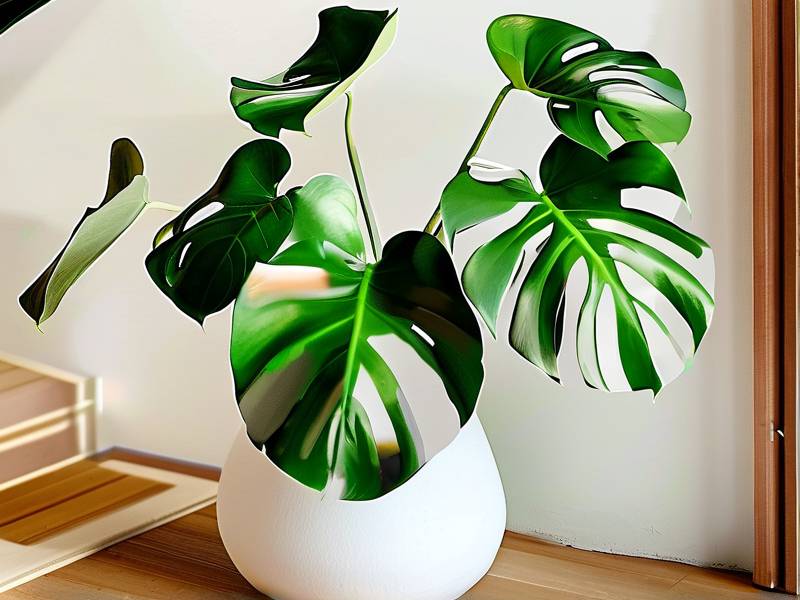
The 3 Deadly Mistakes Beginners Make
I’ve been there. I bought my first ZZ, watered it weekly, placed it in a sunny window, and used a cute ceramic pot without holes. Disaster. Let me save you the grief.
Mistake #1: Overwatering
Let me say this loud and clear: 90% of indoor plants die from overwatering. For large Zamioculcas Zamiifolia, this number might be even higher. The roots are thick rhizomes that rot quickly in wet soil. I used to water every Saturday. My second plant got mushy stems and yellow leaves within three weeks. The smell was awful—like a swamp.
Here’s what I do now: I wait until the top 2 inches of soil are completely dry. Then I water thoroughly. I wait for water to drain out the bottom holes. Then I dump the saucer water. That’s it. In winter, I water once every 3-4 weeks. In summer, maybe every 2 weeks. I let the plant tell me when it’s thirsty. The leaves start to droop slightly. That’s my signal.
Mistake #2: Wrong Light Placement
I put my first ZZ on a south-facing windowsill. The direct sun burned the large coin-shaped leaves. They developed brown patches within days. The plant looked terrible. I moved it to a shaded corner. New growth appeared within a week. Warm semi-shade is the sweet spot.
I keep mine about 6 feet from a north-facing window. It gets bright indirect light for most of the day. The leaves are deep green and glossy. If you want bigger leaves, slightly more light helps. But never direct sun. The AHS suggests that ZZ plants are naturally adapted to understory environments. They evolved in filtered light. Replicate that at home.
Mistake #3: Using the Wrong Pot
I bought a beautiful glazed ceramic pot with no drainage hole. It looked great. My ZZ’s roots drowned slowly. I didn’t notice until the stems collapsed. I learned to always use a pot with drainage holes. Terra cotta is ideal. It breathes and dries out faster. Plastic pots work if you’re careful with water.
For large plants, choose a pot that’s only 1-2 inches wider than the root ball. Too big means too much soil stays wet. That invites rot. I use a heavy-bottomed pot because the large coin-shaped leaves can make the plant top-heavy. It won’t tip over easily.
My Real-Life Care Routine Over 2 Weeks
I want to show you exactly what I did with my latest large ZZ. It arrived slightly droopy from shipping. I documented everything for two weeks.
Week 1: Day 1 to Day 7
Day 1: I unboxed the plant. The soil was damp from transport. Bad sign. I removed it from the nursery pot. The roots looked healthy—thick white rhizomes with tiny feeder roots. I repotted it into a terra cotta pot with fresh, well-draining soil. I mixed regular potting soil with perlite and orchid bark. The ratio was 2:2:1. I watered it lightly just to settle the soil. Then I stopped.
Day 3: I placed the plant in a north-east corner. It gets warm semi-shade for about 4 hours in the morning. The rest of the day is bright indirect light. I didn’t water. The soil was still slightly damp from the repotting.
Day 5: I checked the soil with my finger. It was dry at the top inch. But I held off. I wanted to see how the plant reacted. The leaves were still upright. Good sign.
Day 7: The soil was completely dry. The top inch was dusty. The leaves looked slightly less glossy. I watered thoroughly—about a quart of water. It drained out the bottom in about 10 seconds. I emptied the drip tray immediately.
Week 2: Day 8 to Day 14
Day 8: The leaves looked perkier. The slight droop was gone. I noticed one older leaf at the bottom was slightly pale. I left it. Old leaves die naturally.
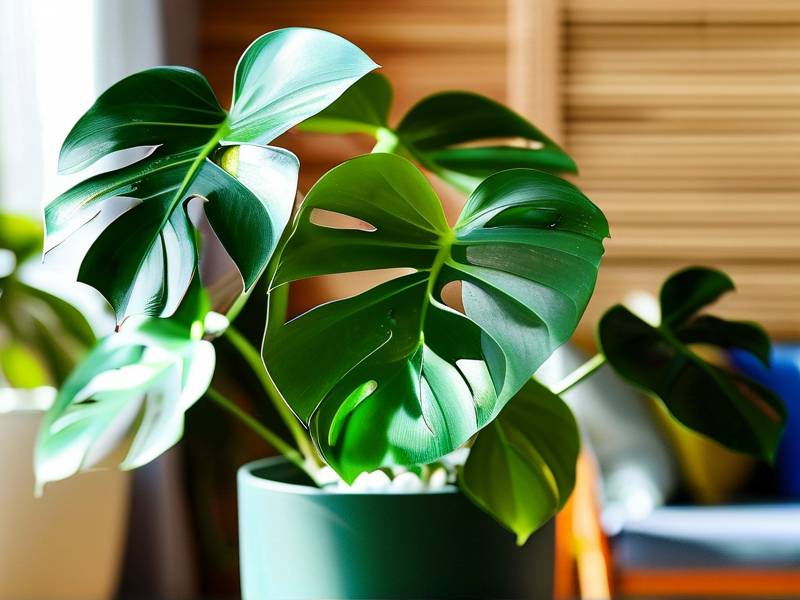
Day 10: I wiped the large coin-shaped leaves with a damp cloth. Dust was blocking light. This is crucial. Clean leaves photosynthesize better. The plant looked instantly healthier.
Day 12: I didn’t water. The soil was still slightly moist an inch down. I checked for pests—none. ZZ plants rarely get bugs. I’ve only seen spider mites once, and it was from a severely dry plant.
Day 14: I watered again. This time I used less—only about a cup and a half. The soil was dry. The plant had grown one new stem. It was uncurling slowly. I felt like a proud plant parent.
How to Water Large Zamioculcas Zamiifolia Correctly
I cannot stress this enough: underwatering is better than overwatering. This plant evolved in dry conditions. Its thick rhizomes store water for months. I only water when the soil is completely dry. I check with my finger down to the second knuckle.
For large pots, I use a chopstick. I stick it in. If it comes out dry, I water. If it comes out with soil stuck, I wait. Simple as that.
In winter, the plant goes dormant. I water once a month. In summer, I water every 2-3 weeks. I never stick to a fixed schedule. My home’s humidity and temperature change everything.
The Best Soil and Potting Mix
I tried store-bought cactus soil once. It was too gritty. My ZZ hated it. The large coin-shaped leaves stopped growing. I switched to a mix I make myself: 2 parts standard potting soil, 1 part perlite, 1 part orchid bark. This drains fast but holds some moisture.
The key is aeration. The roots need oxygen. Heavy soil suffocates them. I also add a handful of worm castings. It gives slow-release nutrients without burning the plant.
Light Requirements for Large Coin-Shaped Leaves
Warm semi-shade is ideal. I know you’ve heard that. But let me break it down. Warm means room temperature between 65-80°F. Semi-shade means no direct sun. The light should be bright but filtered.
I used to think my bathroom was too dark. I put a ZZ there for three months. It survived but didn’t grow. The leaves stayed small. When I moved it to a brighter spot, new stems shot up. They were noticeably larger. Light directly impacts leaf size.
Common Problems and How I Fixed Them
Yellow Leaves
I panicked when my ZZ turned yellow. I thought it was overwatering. It was overwatering. I stopped watering for three weeks. The plant bounced back. The yellow leaves died off, but new ones grew stronger.
Sometimes yellow leaves mean too much light. If the spots are crispy and white, it’s sunburn. Move the plant back from the window.
Drooping Stems
Drooping usually means underwatering. But check the roots first. If the soil is dry and the stems are soft, water deeply. I did this last month. My ZZ looked sad. I gave it a good soak. It perked up within 24 hours.
If stems are mushy, it’s rot. Cut the mushy parts off with sharp, clean scissors. Let the plant dry out for a week before watering again.
Brown Tips
Brown tips mean low humidity or mineral buildup. I have hard water. The tap water leaves white spots. I switched to distilled water. The brown tips stopped spreading. Misting helps too, but don’t overdo it. Wet leaves can rot.
Fertilizing Large Zamioculcas Zamiifolia
I fertilize once in spring and once in summer. That’s it. Too much fertilizer burns the roots. I use a balanced liquid fertilizer diluted to half strength. I apply it after watering.
I tried fertilizing monthly one year. The leaves got darker, but the stems became leggy. The plant looked unnatural. Now I feed sparingly. It grows slower but sturdier.
Propagation: Growing More Large Coin-Shaped Leaves
I propagated my ZZ from a single leaf. It took months. But it worked. You can also divide the rhizomes. I did that with a large plant. I carefully separated the root ball. Each section needed at least one rhizome. I repotted them into small pots.
New growth appeared after three months. Patience is key. ZZ plants are slow growers. But once established, they reward you with those beautiful large coin-shaped leaves.
Pest Prevention and Treatment
I’ve only dealt with spider mites once. The leaves looked dusty and had tiny webs. I wiped each leaf with a cotton ball dipped in rubbing alcohol. I did this weekly for a month. The mites disappeared.
Neem oil works too. But I find wiping leaves more effective. For fungus gnats, let the soil dry out completely between waterings. Cover the top soil with sand. That stops eggs from hatching.
Repotting a Large ZZ Plant
I repot every 2-3 years. The plant becomes root-bound. You’ll see roots poking out the drainage holes. I choose a pot only one size bigger. Too big and the soil stays wet.
I do this in spring. I remove the plant, gently tease the roots, and place it in fresh soil. I don’t water for a week. This gives the roots time to heal. Then I water deeply once.
Temperature and Humidity Needs
Warm semi-shade means stable temperatures. Avoid drafts. I keep my ZZ away from air conditioning vents. Cold air shocks the leaves. They turn brown quickly.
Humidity isn’t critical. Average home humidity (40-50%) works fine. In dry winters, I group my plants together. That creates a microclimate. My ZZ appreciates it.
The AHS Perspective on Zamioculcas Zamiifolia
According to AHS research, ZZ plants are exceptionally drought tolerant due to their rhizome storage. They recommend using a well-draining mix and avoiding overwatering at all costs. I follow this advice. My plants prove it works.
Frequently Asked Questions
Why are my large coin-shaped leaves curling?
Curling usually means underwatering or low humidity. Check the soil. If dry, water deeply. If still moist, increase humidity with a pebble tray. I had curling leaves during a heatwave. Moving it away from the window fixed it.
Can I keep my ZZ in a room with no windows?
No. It needs some light. Even artificial light works if it’s on for 12 hours a day. I use a grow lamp in my dark hallway. The plant does okay but grows slower. Warm semi-shade is the minimum.
How often should I rotate my ZZ?
I rotate mine every watering. This ensures even growth. The leaves lean toward the light. Rotating prevents lopsidedness. I’ve had a lopsided ZZ before—it looked silly.
Final Thoughts
Caring for large Zamioculcas Zamiifolia is about restraint. Water less than you think. Place it in warm semi-shade. Use a pot with drainage. I’ve made every mistake in the book. Now my plant thrives. The large coin-shaped leaves are a joy. They remind me that sometimes less is more.