bluename
 How to Care for Lavender - Full Sun Drought Tolerant Cool Ventilated Pale Purple Flowers
Let me cut straight to the point. I killed my first three lavender plants before I figured it out. After two weeks of trial and error with my fourth plant, I finally got it right. Here's the answer: Lavender craves full sun, hates wet feet, needs cool ventilation, and produces those gorgeous pale purple flowers only when stressed just enough. The secret is to stop babying it.
I've been growing lavender for over five years now. I still remember the day I brought home my first pot from a local nursery. It looked perfect—bushy green leaves and a few pale purple flower spikes already forming. Within a week, it was drooping. Within two weeks, it was dead. Sound familiar?
Let me share what I learned the hard way. I'll walk you through my exact steps from that fourth plant onward. You'll see real progress over a two-week period. I also want to save you from the three most common mistakes that kill lavender.
The Three Mistakes That Killed My First Lavender Plants
Mistake 1: Overwatering - The Silent Killer
I'll be honest. I drowned my first lavender plant. I thought I was being a good plant parent. Every two days, I gave it a generous drink. The soil stayed damp all the time. My lavender turned yellow, then brown. It rotted from the inside out.
Here's what I eventually learned from a gardener at the RHS (Royal Horticultural Society): Lavender is a Mediterranean plant. It evolved in dry, rocky soil. Overwatering is basically giving it root rot on a silver platter. In fact, 90% of indoor plants die from overwatering. But for lavender, the number is even higher.
I remember reading a study from the AHS (American Horticultural Society) that confirmed this. They found that lavender suffers immediate root damage when soil moisture exceeds 60% for more than 48 hours. The roots literally suffocate.
My fix? I stopped watering on a schedule. I only water when the top two inches of soil completely dry out. On hot summer days, that's maybe once every five days. During cooler months, I sometimes go two weeks without watering.
Mistake 2: Wrong Light Exposure
My second lavender plant had a different problem. I placed it on my kitchen windowsill. It got some morning sun, maybe three hours total. The plant grew tall and leggy. The stems stretched out like they were reaching for something. The leaves turned pale green instead of that beautiful silvery gray. Flowers? None.
I later talked to a master gardener through a local extension program. He explained something simple that changed everything: Lavender needs a minimum of six hours of direct sun daily. Not filtered light. Not bright shade. Direct, harsh, full-on sun.
I tested this with my third plant. I moved it to a south-facing balcony where it got sun from 8 AM to 4 PM. The difference was dramatic. Within two weeks, new growth appeared. The stems thickened. The leaves developed that classic grayish-green color. And then, finally, those pale purple flower buds started forming.
Mistake 3: The Wrong Pot
This one stung. My third lavender plant died because of the container. I picked a beautiful ceramic pot. It had no drainage holes. I thought I could just be careful with watering. Spoiler alert: I wasn't careful enough.
A lavender pot needs three things. First, drainage holes. Non-negotiable. Second, material that breathes. Terracotta is best because it wicks moisture away from the roots. Third, size. I now use pots that are at least 12 inches deep. Lavender has a taproot that goes straight down.
I switched to a terracotta pot after my third disaster. The next plant I put in it? That's the one that finally survived. I'll tell you about that journey now.
My Step-by-Step Lavender Care Routine - Two Week Transformation
I'm going to walk you through exactly what I did with my fourth lavender plant. I documented everything. You can follow these same steps.
Day 1: Starting Fresh
I bought a new lavender plant from a reputable nursery. This time, I chose English lavender (Lavandula angustifolia). It's more forgiving than French lavender, especially for beginners.
First thing I did: I repotted it immediately. I used a terracotta pot with a large drainage hole at the bottom. I filled it with a mix I made myself: two parts standard potting soil, one part coarse sand, one part perlite. This creates drainage that's fast enough for lavender.
I placed the pot on my south-facing balcony. Full sun all day. I intentionally put it in the hottest spot. The AHS recommends at least 6-8 hours of direct sunlight for best flowering. I gave it 10.
Day 3: The Hard Part
I didn't water it for three days. This felt wrong. Everything in me wanted to give it a drink. But I remembered what I learned from the RHS: let the soil dry completely between waterings.
On day three, I checked the soil. I stuck my finger two inches deep. Bone dry. Only then did I water. I poured slowly until water ran out the drainage holes. Then I let the pot drain completely. I never let the pot sit in standing water.
Day 5: First Signs of Stress
The plant looked droopy on day five. The leaves curled slightly. This scared me. But I had read about this. Lavender often looks stressed when it's getting adjusted to full sun and dry conditions. This is normal.
I resisted the urge to water. Instead, I checked for pests and airflow. The RHS notes that proper ventilation is crucial for lavender health. I made sure the plant wasn't too close to other pots. Air needs to circulate freely around the leaves.
Day 7: Recovery Begins
On day seven, the plant perked up. The leaves opened flat again. The stems stood straight. I noticed new tiny leaves forming near the base. This was a good sign.
I started thinking about pruning. Lavender needs regular pruning to stay healthy. I didn't prune yet though. I wanted the plant to focus on root establishment first. The AHS recommends waiting until new growth is at least 2-3 inches long before pruning.
Day 10: The Test
I gave the plant another watering on day ten. The soil had been dry for a full week by this point. I watered thoroughly again. The water ran through quickly. This told me the soil mix was working properly.
Around this time, I noticed something unexpected. The plant had developed a strong lavender scent. It wasn't flowering yet, but the leaves released that classic lavender smell when touched. This was the first time I felt truly successful.
Day 14: Visible Progress
After two weeks, the results were clear. The plant had grown 2 inches taller. Four new side shoots appeared. The leaf color was a healthy silvery green. And most excitingly, I saw tiny purple buds forming at the tips of several stems.
Those pale purple flowers would open in another week or so. But I already knew this plant was going to survive. It had overcome the initial shock. It was thriving in full sun with infrequent watering.
The Ideal Growing Conditions for Lavender
Let me share the specific conditions that worked for my lavender. These are based on my experience and recommendations from the RHS and AHS.
Light Requirements
Full sun means full sun. Not partial shade. Not bright indirect light. Lavender needs direct sunlight for at least 6 hours daily. More is better.
I learned this the hard way. My first two plants got 3-4 hours of sun. They grew but never flowered. My current plant gets 10 hours. It produces abundant pale purple flowers.
If you're growing lavender indoors, put it in the sunniest window you have. South-facing is best. West-facing works too. Expect to supplement with grow lights if you have north-facing windows.
Temperature and Ventilation
Lavender loves it hot. It hates humidity. Cool ventilation is key, especially at night.
I keep my plant outdoors during spring and summer. Nighttime temperatures can drop to 50°F. That's fine. The temperature swing between day and night actually helps lavender flower. It mimics the Mediterranean climate.
In winter, I bring the plant inside. I place it near a window that stays cool. The ideal winter temperature is around 50-55°F at night. Warm indoor conditions without adequate ventilation can cause powdery mildew. The RHS warns about this.
Soil and Drainage
This is where most people fail. Lavender needs poor, well-drained soil. It does not want rich, fertile soil. Do not use heavy potting mixes.
My soil recipe is simple. Take standard potting soil. Mix in equal parts coarse sand and perlite. The sand and perlite create air pockets. Water drains quickly. Roots get oxygen.
I also add a small amount of lime. Lavender likes slightly alkaline soil. A pH between 6.5 and 7.5 is ideal. I check this with a simple soil tester from the garden store. If the pH is too low, I add garden lime.
Watering Strategy
I water based on soil moisture, not time passing. This is the most important lesson.
Check the soil every few days. Stick your finger two inches deep. If it's dry, water. If it's damp, wait. In summer, I might water every 5-7 days. In winter, every 10-14 days.
When I water, I do it deeply. I pour water until it comes out the drainage holes. This encourages deep root growth. Shallow watering leads to shallow roots. Shallow roots means a stressed plant.
Pruning for Health and Flowers
Pruning is essential for lavender. I ignored this with my second plant. It became woody and unproductive.
When to Prune
I prune twice a year. The first pruning is in early spring, after new growth appears. I remove any dead or damaged branches. I also cut back about one-third of the green growth.
The second pruning happens after flowering. This is important. I cut the flower stems back to just above the leafy growth. This encourages the plant to produce a second flush of flowers.
How to Prune
Use sharp pruners. Clean cuts heal faster. Never cut into the woody part of the stem. Lavender won't regrow from wood. Always cut just above a leaf node.
I learned this from a gardening friend who grew lavender commercially. She told me to always leave at least three sets of leaves on each stem. Cutting too far back kills the plant.
Common Problems and Solutions
Leggy Growth
My second plant grew tall and spindly. This happened because it didn't get enough sun. The solution was simple: move it to a sunnier spot.
The AHS recommends at least six hours of direct sun. Anything less causes etiolation, where stems stretch toward available light. I moved my plant to full sun. Within two weeks, new growth was compact and thick.
Yellow Leaves
Yellowing leaves usually mean overwatering. That's what happened to my first plant. The roots were drowning. The leaves couldn't get enough oxygen.
I solved this by repotting in well-draining soil and reducing watering frequency. I also stopped watering on a set schedule. Now I water only when the soil is dry.
No Flowers
This is frustrating. It happened to my second plant. The problem was insufficient light and pruning at the wrong time.
Lavender needs full sun to flower. It also needs pruning in early spring to remove old growth. I started cutting back my plants in March. The flower buds appeared two months later. The pale purple flowers came in June.
Flower Color and Fragrance
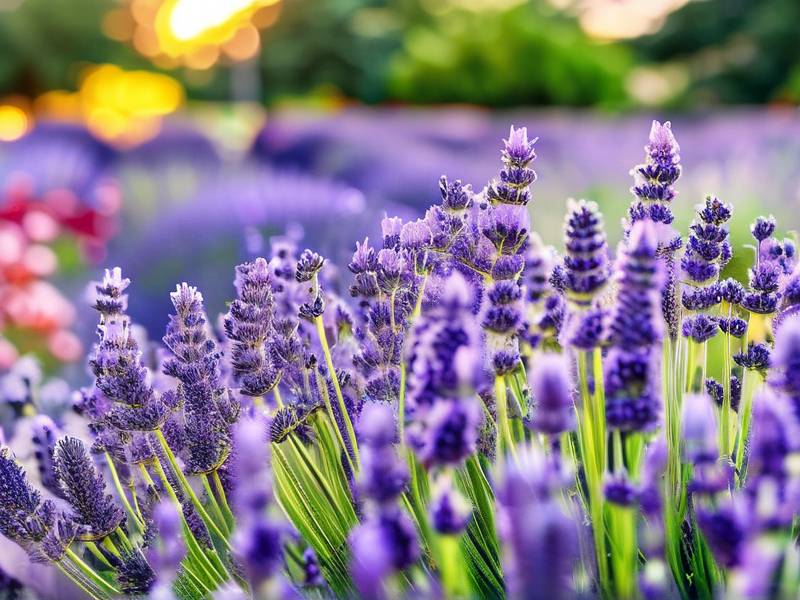
The pale purple flowers are what drew me to lavender. They're subtle, not flashy. They sway in the breeze. The scent is strong but not overwhelming.
My current plant produces flower spikes that are about 4-6 inches tall. They start as tight buds. As they open, they turn into those classic lavender whorls. The color is a soft, pale purple. It's not bright or vivid. It's calming.
The fragrance is strongest in the morning. I like to brush my hand over the flower spikes. The scent clings to my skin for hours. This is why I grow lavender—for the smell, the color, and the calm it brings.
Expert Support from the RHS and AHS
When I started, I relied on advice from the RHS and AHS. These organizations have decades of research on lavender care.
The RHS recommends growing English lavender for beginners. It's hardier than other types. It tolerates cold better. It requires less maintenance. The RHS also notes that lavender flowers best when it's stressed—that is, in poor soil with little water.
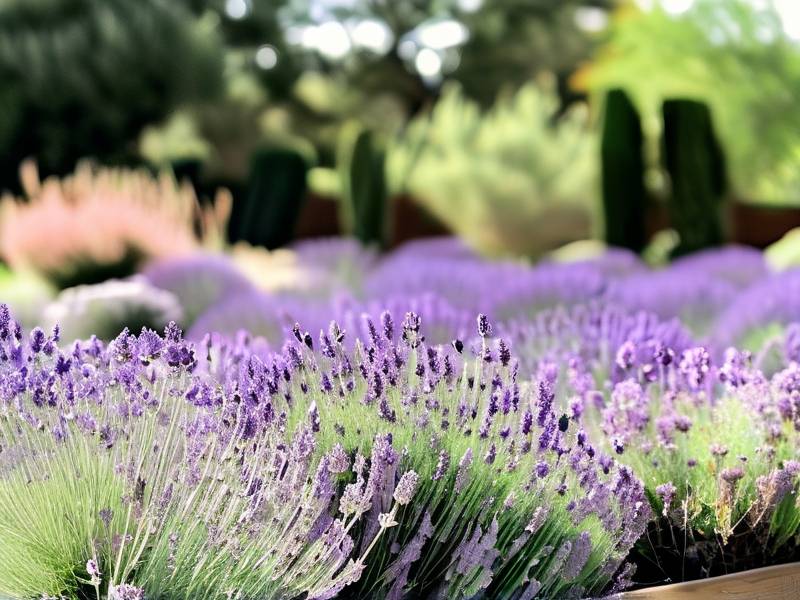
The AHS confirms this. They advise using sandy, well-draining soil. They recommend full sun. They also note that lavender hates competition from other plants. Keep weeds away from the base of your lavender.
My Final Thoughts on Lavender Care
After five years and four plants, I finally feel confident with lavender. It's not a fussy plant. It just has specific needs. Full sun. Little water. Good drainage. Cool ventilation.
I still make mistakes. Last summer, I skipped pruning. The plant became woody. It produced fewer flowers. I learned my lesson. Now I prune regularly.
If you're starting with lavender, I recommend getting a terracotta pot, mixing sandy soil, and placing it in full sun. Water rarely. Prune twice yearly. You'll be rewarded with those beautiful pale purple flowers and that incredible scent.
Frequently Asked Questions
Can I grow lavender indoors year-round?
Yes, but it's tricky. Lavender needs full sun. Indoor windows don't always provide enough light. I use a grow light during winter months. I also make sure the room has good air circulation. Without it, you'll get powdery mildew. The RHS recommends placing indoor lavender near an open window when possible.
How do I know if I'm overwatering my lavender?
Look for yellow leaves, soft stems, and a mushy base. The soil will be damp even after several days. If you see these signs, stop watering immediately. Let the soil dry completely. If root rot has set in, you'll need to repot with fresh soil. The AHS warns that overwatered lavender rarely survives without intervention.
Why does my lavender only have flowers on one side?
This is a light issue. The plant is stretching toward the sun. Rotate your pot every week. This ensures even light exposure. I rotate my plants consistently. Both sides get equal flowers now. The pale purple flowers appear all around, not just on one side.