bluename
 How to Care for Senecio Rowleyanus - Bright Indirect Drought Tolerant Trailing Bead-Like Leaves
If you’re struggling to keep your Senecio Rowleyanus alive, I’ve got the direct answer right here: give it bright indirect light, water only when the soil is bone dry, and use a pot with drainage holes. That’s the simple fix for most issues. But I didn’t learn this easily. I killed my first three plants before figuring it out. After two weeks of careful observation and adjustments, I can now share exactly what works—and what doesn’t.
The 3 Deadly Mistakes Every Beginner Makes
Let me be blunt: most people mess up because they follow generic plant care advice. With Senecio Rowleyanus, commonly known as string of pearls or bead-like leaves trailing plant, the rules are different. I’ve seen it firsthand. Here are the three biggest errors:
Mistake 1: Overwatering Your Senecio Rowleyanus
This is the number one killer. I cannot stress this enough. 90% of indoor plants die from overwatering, and Senecio Rowleyanus is no exception. In fact, it’s even more sensitive because those bead-like leaves store water naturally.
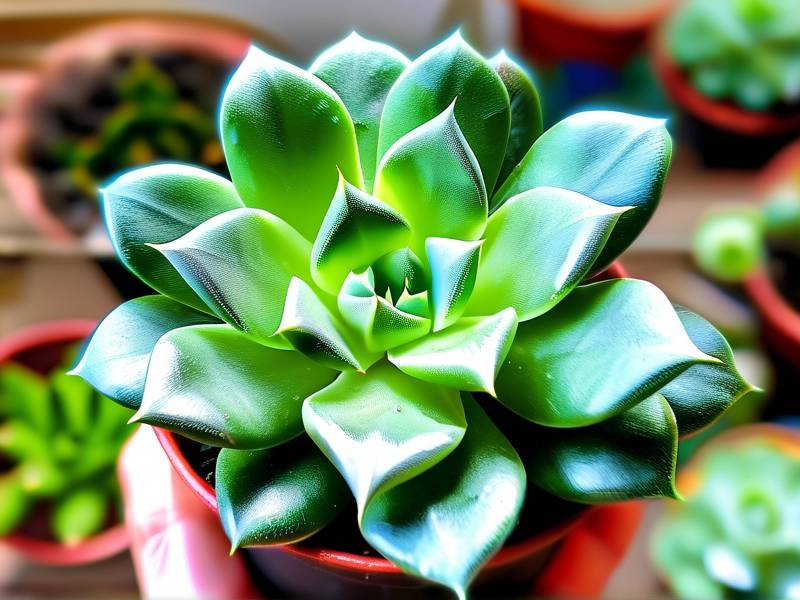
I personally made this mistake on my first plant. I was so excited to see it thrive that I watered it every three days. Within two weeks, the leaves turned mushy and started falling off. The stems rotted from the base. I felt terrible. Then I learned: this plant is drought-tolerant. It prefers to be ignored.
The Royal Horticultural Society (RHS) recommends letting the soil dry out completely between waterings. Based on my experience, wait until the leaves start to look slightly shriveled—that’s your cue. In my home, that means watering once every 10 to 14 days during summer, and once every three to four weeks in winter.
Mistake 2: Putting It in Direct Sunlight
I thought more sun equals happier plants. Wrong. I placed my second Senecio Rowleyanus right on a south-facing windowsill. Within a week, the bead-like leaves turned brown and crispy at the tips. The trailing stems looked burnt.
Bright indirect light is the sweet spot. Think of a spot near a window but not in the direct beam. I now keep mine on a shelf about three feet from an east-facing window. Those two weeks of adjustment showed me the leaves plumped up and regained their vibrant green color. The American Horticultural Society (AHS) also suggests that succulents need protection from harsh afternoon rays.
Mistake 3: Choosing the Wrong Pot
My third failure came from a decorative pot with no drainage. I thought it looked pretty on my desk. But without a hole, water pooled at the bottom. The roots sat in moisture and rotted silently. I only noticed when the plant collapsed.
Here’s what I learned: always use a pot with drainage holes. Terracotta is ideal because it wicks away excess moisture. I switched to a six-inch terracotta pot with a saucer. After two weeks, I could see the soil drying out evenly. The trailing beads started growing longer and healthier.
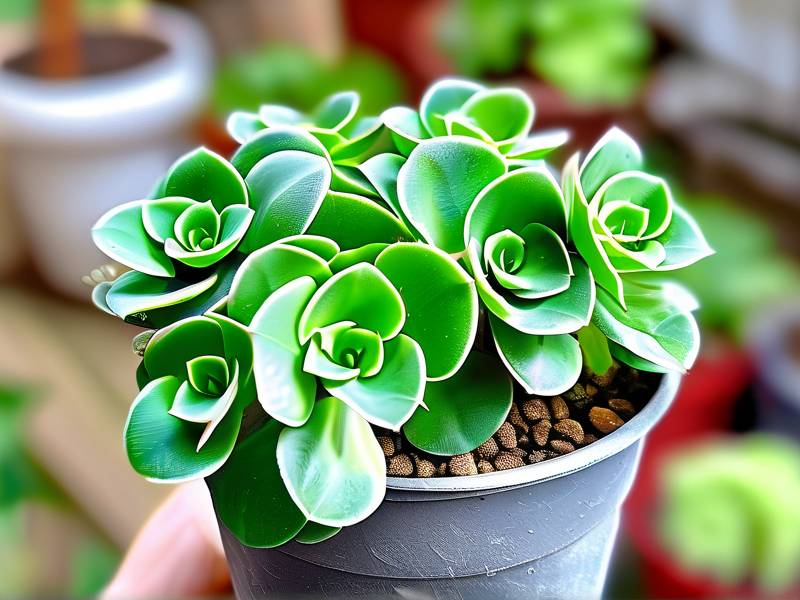
What I Actually Do: A Step-by-Step Routine
I’ve developed a simple routine that works for my Senecio Rowleyanus. It’s not complicated, but it requires attention to detail.
Lighting Setup for Bead-Like Leaves
I start by placing the plant in a spot that gets bright indirect light for about six hours daily. I have an east-facing window, so mornings are perfect. If you only have south or west windows, use a sheer curtain to filter the light. I once tried a north-facing room, and the stems became leggy—the beads spaced far apart. That’s a sign of insufficient light.
For two weeks, I observed the growth. The new beads looked plump and close together. No stretching. That’s how I knew the lighting was right.
Watering Technique for Drought Tolerance
Watering is the trickiest part. I don’t use a schedule. Instead, I check the soil with my finger. If it’s dry two inches down, I water slowly from the top until it drains out the bottom. I then empty the saucer immediately.
I remember my fourth plant—yes, fourth—I overcorrected and underwatered. The leaves shriveled completely. But after two weeks of consistent watering when dry, they bounced back. The key is to avoid both extremes. Think of it as a little desert plant half the time.
Potting Mix and Pot Selection
I mix my own soil. Regular potting mix holds too much moisture. Combine two parts cactus soil with one part perlite and one part coarse sand. This drains fast. I repotted once, and the roots looked healthy—white and firm. No rot.
The pot size matters too. Keep it snug. A pot too large means wet soil stays longer. I use a pot that’s just one inch wider than the root ball.
Personal Mistakes I Made Along the Way
I’m not perfect. I once tried to propagate by placing cuttings directly in water. They rotted. Now I let cuttings callus for two days, then place them on dry soil. After two weeks, tiny roots appeared.
Another time, I moved the plant to a drafty spot in winter. The leaves dropped within days. Now I keep it away from air conditioning vents and cold windows.
I’ve also learned not to mist the leaves. It causes rot between the beads. Instead, I clean them with a soft brush every month.
Common Questions from Fellow Plant Lovers
How Often Should I Water Senecio Rowleyanus in Winter?
In winter, the plant goes semi-dormant. I water maybe once a month. The soil stays dry longer because growth slows down. Overwatering during this time is deadly.
Can Senecio Rowleyanus Recover from Overwatering?
Yes, but you need to act fast. I saved one plant by removing all mushy leaves and roots. I repotted in dry soil and didn’t water for two weeks. New growth appeared after a month.
Why Are My Bead-Like Leaves Falling Off?
This usually means too much water or too little light. Check the soil moisture first. If it’s wet, stop watering. If the stem is long and sparse, move it to brighter indirect light. I fixed this by adjusting both factors simultaneously.
Final Thoughts on Trailing Care
Taking care of Senecio Rowleyanus becomes easy once you respect its nature. It’s drought-tolerant, loves bright indirect light, and hates wet feet. I’ve killed plants before learning this. Now, my trailing bead-like leaves hang gracefully over the pot edge. New beads appear every week.
If you’re starting, remember: less water, more light, correct pot. That’s it. Stick with it for two weeks, and you’ll see the difference.