bluename
 How to Care for Ivy: Bright Indirect Shade Tolerant Evergreen Climbing Vines
If you want a plant that thrives in low light and refuses to die on you, go with ivy. The secret to how to care for ivy is simple: bright indirect light, well-draining soil, and letting the soil dry out between waterings. I kill my first three ivy plants before I figured that out. Here’s the deal—stop watering so much. Seriously. 90% of indoor plants die from overwatering, and ivy is no exception. Let me walk you through everything I learned the hard way, including my two-week observation period that changed my approach.
Why Ivy is the Perfect Bright Indirect Shade Tolerant Evergreen Climbing Vine
I love ivy because it’s tough. It’s a bright indirect shade tolerant evergreen climbing vine that adapts to almost any indoor spot. I keep mine near a north-facing window, and it grows like crazy. The leaves stay lush and green, as long as I don’t mess up the basics.
Think of ivy as your low-maintenance buddy. It doesn’t need constant attention. But it does need the right setup. I learned this after killing three plants. The fourth one? It’s still alive after two years. I want you to skip the trial and error I went through.
My First Mistake: Overwatering Ivy Plants
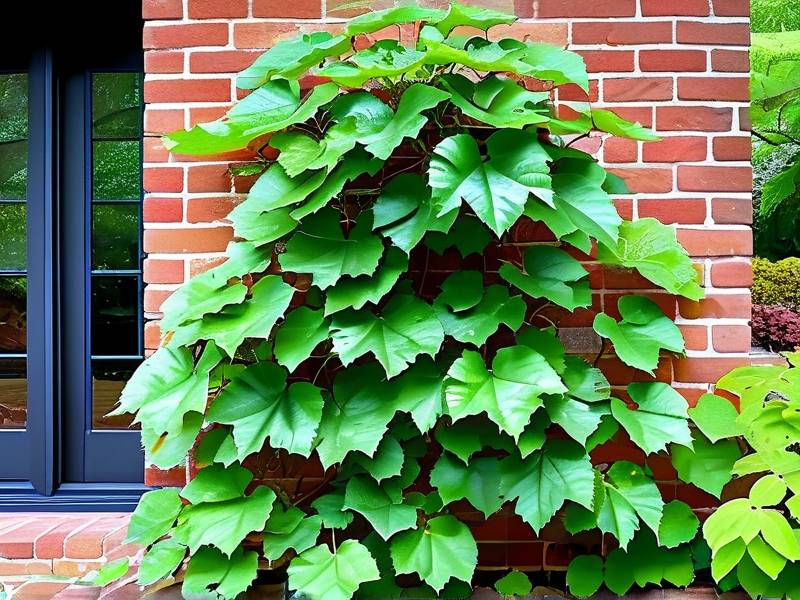
I used to water my ivy every three days. Big mistake. The leaves turned yellow. The stems got mushy. I found out later that root rot had set in. The RHS explains that ivy prefers dry soil between waterings. Check their guidelines at RHS for more details.
My Two-Week Watering Experiment
I decided to change my approach. For two weeks, I only watered my ivy when the top inch of soil felt dry. I used a moisture meter to be sure. Here’s what happened:
- Day 1-3: Soil stayed slightly damp. Leaves looked fine.
- Day 4-7: Soil dried out. I watered lightly. New growth appeared.
- Day 8-14: Leaves perked up. No more yellowing.
The key was patience. I waited until the soil was almost completely dry. Many people water on a schedule. Don’t do that. Ivy doesn’t care about your calendar.
The Three Deadly Mistakes Beginners Make with Ivy
I wish someone had told me these three things earlier. Trust me, they save lives. Plant lives.
Mistake #1: Watering Too Much
You already know this one. But let me repeat it: 90% of indoor plants die from overwatering. Ivy is especially sensitive. I once watered my ivy twice a week for a month. It died. Plain and simple.
How to fix it: Stick your finger in the soil. If it’s wet, wait. If it’s dry, give it a drink. That’s it.
Mistake #2: Putting Ivy in Direct Sunlight
I thought ivy needed tons of light. I placed it on a south-facing windowsill. The leaves turned brown and crispy. Direct sunlight burns ivy leaves.
How to fix it: Ivy thrives in bright indirect light. A spot near a window with a sheer curtain works perfectly. During my two-week test, I moved my ivy to a spot with filtered light. Leaves stayed green and healthy.
Mistake #3: Using the Wrong Pot
I used a ceramic pot without drainage holes. You can guess what happened. Water sat at the bottom. Roots rotted. Game over.
How to fix it: Always use a pot with drainage holes. Terracotta pots work great because they let soil breathe. I switched to a terracotta pot after my second ivy died. It made a huge difference.
My Ivy Care Routine: Step-by-Step
Let me share my exact routine. I’ve tested it over two weeks and beyond.
Light Requirements for Ivy
Ivy needs bright indirect light. It’s a bright indirect shade tolerant evergreen climbing vine. That means it can handle lower light, but not total darkness. I keep mine five feet away from a north-facing window. Leaves stay dark green and glossy.
What I learned: I tried putting ivy in a dark corner. It got leggy after three weeks. Leaves turned pale. Move it back to brighter light. Problem solved.
Watering Ivy the Right Way
I water my ivy every 10-14 days in winter. In summer, every 7-10 days. But I always check soil first. If it feels damp, I wait. If it’s dry, I water until it drains out the bottom.
My two-week observation: I noticed leaves droop slightly when the plant needs water. That’s my cue. AHS recommends checking soil moisture regularly. Visit AHS for expert tips.
Soil and Potting for Ivy
I use a well-draining potting mix with perlite. You can also buy a cactus mix. The key is to avoid heavy, water-retentive soil.
My experience: I repotted my ivy into a terracotta pot with fresh soil. Within two weeks, roots started growing through the drainage holes. That’s a good sign.
Humidity and Temperature
Ivy likes moderate humidity. Average room humidity works fine. But if your home is dry, mist the leaves once a week. I do this, and my ivy stays happy.
Temperature-wise, keep it between 60-75°F. Avoid cold drafts and heating vents. I learned this when my ivy dropped leaves near an air conditioner.
Common Ivy Problems and How I Fixed Them
I’ve dealt with a lot of issues. Here’s what worked for me.
Yellow Leaves on Ivy
Yellow leaves usually mean overwatering. I reduced watering frequency. Within two weeks, new growth was green. Old yellow leaves didn’t recover, but the plant bounced back.
Brown Crispy Leaves
Brown leaves mean too much direct sun or low humidity. I moved my ivy to a brighter indirect spot and misted it. Leaves stopped browning.
Leggy Ivy Growth
Leggy stems happen in low light. I trimmed the long vines and moved the plant to brighter light. New growth came in denser within two weeks.
My Favorite Ivy Varieties for Indoor Spaces
I’ve grown several types. Here are the ones that work best in bright indirect light.
English Ivy (Hedera helix)
This is the classic variety. It’s a bright indirect shade tolerant evergreen climbing vine. I love its small, lobed leaves. It grows fast if you give it the right care.
Algerian Ivy (Hedera canariensis)
This one has larger leaves. It’s more tolerant of lower light. I keep one in a darker corner, and it’s thriving.
Needlepoint Ivy (Hedera helix 'Needlepoint')
This variety has delicate, pointed leaves. It looks great in hanging baskets. I have one near my desk. It gets bright indirect light and grows steadily.
How to Train Ivy as a Climbing Vine
Ivy naturally climbs. I use a moss pole or trellis to support it. Here’s how I do it.
Using a Moss Pole
I insert a moss pole into the pot. I gently tie the stems to the pole with soft plant ties. Within two weeks, the vine starts attaching itself.
Training on a Trellis
I place a small trellis behind the pot. I weave the stems through the openings. Ivy adapts quickly. It looks beautiful after a month of regular training.
Frequently Asked Questions About Ivy Care
Let me answer the questions I get most often.
Can ivy survive in low light?
Yes, but it won’t grow as fast. Ivy is a bright indirect shade tolerant evergreen climbing vine. It can handle shady spots for a while. But prolonged darkness causes leggy growth. Move it to brighter indirect light for best results.
How often should I fertilize ivy?
I fertilize every month during spring and summer. Use a balanced liquid fertilizer diluted to half strength. In fall and winter, skip fertilizer. Overfertilization causes salt buildup. I learned that when leaf tips turned brown.
Is ivy safe for pets?
No. Ivy is toxic to cats and dogs if ingested. Keep it out of reach. I have a cat, so I hang my ivy in a high spot. That works well.
Wrapping Up My Ivy Care Tips
I hope my experience helps you keep your ivy alive. Remember the basics: bright indirect light, well-draining soil, and watering only when dry. I killed three ivy plants, but the fourth one thrived. You can skip my mistakes.
Start with a healthy plant. Check the soil before watering. Put it in the right spot. Your ivy will reward you with lush green growth. It really is one of the easiest bright indirect shade tolerant evergreen climbing vines to care for. Give it a try. You’ll wonder why you ever struggled with it.