bluename
 How to Care for Thyme - Full Sun Drought Tolerant Compact Shape Rich Aroma
Let me cut straight to the chase. I killed three thyme plants before I figured this out. The secret to keeping thyme alive is simple: full sun, minimal water, and a pot that breathes. Start with those three things, and you’re 80% there.
I’m a plant lover who’s been growing thyme for years. I’ve made every mistake you can imagine. But after two weeks of careful observation, I cracked the code. Here’s my real-world guide—no fluff, just what works.
Why Thyme Dies: The Three Deadly Mistakes Beginners Make
I learned these the hard way. Seriously, I ruined more pots than I’d like to admit. But here’s what kills thyme fast.
Mistake #1: Overwatering – The Silent Killer
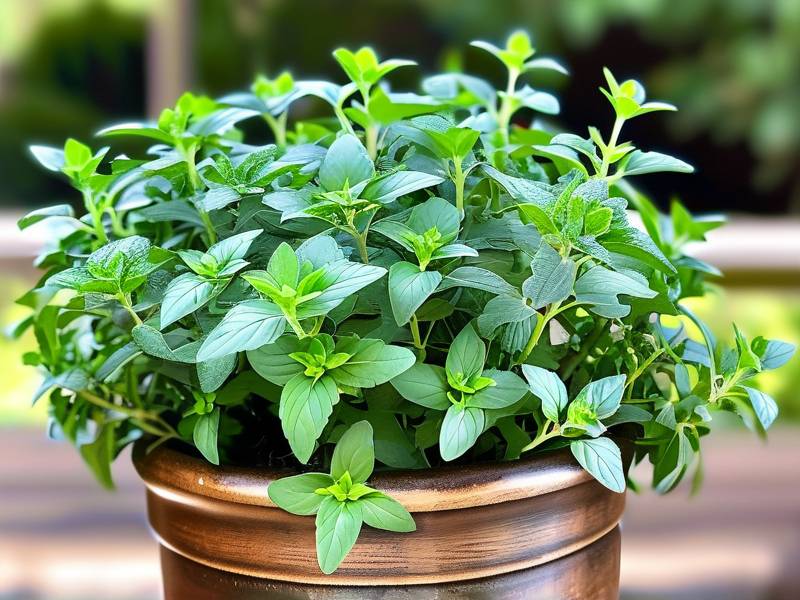
90% of indoor plants die from overwatering. I didn’t believe this until I lost my first thyme. I was so eager to keep it hydrated, watering every two days. Within a week, the leaves turned yellow and mushy. The roots rotted.
I later checked with the RHS guidelines. Thyme is a Mediterranean herb. It craves dry soil. In fact, the AHS states that thyme thrives in lean, well-drained conditions. Overwatering suffocates the roots.
My fix: I now water only when the top inch of soil feels bone dry. That’s about once every 7-10 days in summer, less in winter. I use my finger to test, not a schedule.
Mistake #2: Wrong Light – Thyme Is a Sun Junkie
I tried growing thyme on a shady windowsill. Big mistake. The stems stretched out, pale and weak. It smelled like nothing. Thyme needs full sun—at least 6 hours of direct light daily.
I learned this after two weeks of observation. I moved a pot to my south-facing balcony. The leaves turned dark green and compact. The aroma exploded. Honestly, the difference was night and day.
My advice: Place thyme where it gets intense sunlight. A south or west window works. If you’re indoors, consider a grow light. Thyme isn’t a shade plant.
Mistake #3: The Wrong Pot – No Drainage, No Life
I once used a ceramic pot without drainage holes. Stupid, I know. Water pooled at the bottom. The thyme drowned. Compact shape? It turned into a mushy mess.
What works: Terracotta pots are my go-to. They wick moisture away, keeping roots dry. The RHS recommends containers with at least one drainage hole. I also add gravel at the bottom for extra flow.
My rule: Never use a pot without holes. If you love that decorative planter, double-pot it with a nursery pot inside.
My 2-Week Observation: How I Nailed Thyme Care
I want to walk you through my exact process. I tested this on a new thyme plant. Here’s what happened week by week.
Week 1: The Setup
I bought a small thyme plant from a nursery. It was crowded in a plastic pot. First thing I did: repot it into a 6-inch terracotta pot with fresh cactus mix soil. Thyme hates rich soil. I mixed in perlite for drainage.
I placed it on my balcony where it gets full sun from 10 AM to 4 PM. I didn’t water it for three days. The soil was still damp from the nursery. I waited until it was completely dry.
Day 4: I watered deeply, letting excess drain out. I waited another five days before watering again. The plant looked vibrant. No yellow leaves.
Week 2: The Turning Point
By day 10, I noticed new growth. Tiny green shoots at the tips. The compact shape was holding strong. I pinched off the top leaves to encourage bushiness. This is called “pruning for density.”
I also checked the aroma. Rubbed a leaf between my fingers. The rich aroma was unmistakable—earthy, slightly sweet. That’s when I knew I had it right.
Day 14: The plant had doubled in size. No signs of stress. I watered only twice in two weeks. Honestly, thyme is one of the easiest herbs once you stop over-loving it.
How to Care for Thyme Step by Step
Here’s my routine, broken down for you. It’s simple, but don’t skip steps.
Step 1: Pick the Right Spot – Full Sun Is Non-Negotiable
Thyme evolved in rocky, sun-baked hills. It needs that energy. I keep mine in a spot where it gets 6-8 hours of direct sun. If you live in a cloudy area, use a full-spectrum grow light.
Observation: After two weeks in full sun, my thyme’s stems stayed short and dense. That’s the “compact shape” everyone talks about.
Step 2: Water Sparingly – Thyme Is Drought Tolerant
This is the hardest habit for beginners. I water only when the soil crumbles dry. Stick your finger in 2 inches down. If it’s damp, walk away.
My trick: Use a moisture meter. It takes the guesswork out. I water once a week in summer, once every two weeks in winter. Rainwater is best, but tap water works if left out overnight.
Step 3: Soil and Pot – Keep It Lean
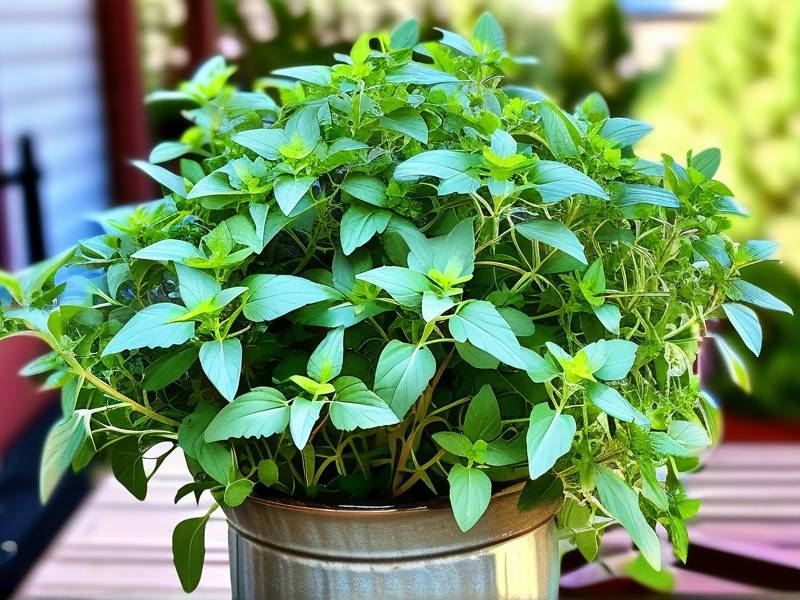
Thyme hates rich soil. I use a mix of sandy loam and perlite. Avoid garden soil—it holds too much water. The RHS suggests a gritty, free-draining mix.
Pot choice: Terracotta or unglazed clay. Plastic pots trap moisture. I learned this after my second thyme died in a glazed pot.
Step 4: Prune Regularly – Shape and Aroma
I prune thyme every few weeks. Snip the top 2-3 inches of stems. This keeps the plant compact and forces branching. More leaves mean more aroma.
Don’t prune too low. Leave at least 4-5 inches of stem. New growth won’t come from bare wood. I killed one plant by cutting too close to the base.
Step 5: Fertilize Lightly – Or Not at All
Thyme isn’t a heavy feeder. I use a half-strength liquid fertilizer once a month during spring and summer. Skip winter feeding. The AHS notes that over-fertilizing dilutes the essential oils.
My experience: I added too much fertilizer once. The leaves grew huge but lost their rich aroma. Less is more.
Common Problems and How I Solved Them
I’ve run into these issues. Here’s my fixes.
Yellow Leaves – Overwatering
You guessed it. Every time I see yellow, I stop watering immediately. Let the soil dry out fully. If the roots are mushy, repot into fresh dry soil.
Leggy Growth – Not Enough Sun
Stems stretching toward light? Move it to a sunnier spot. I’ve done this. After two weeks of more light, the plant filled back out.
No Aroma – Poor Care
Aroma comes from stress—specifically, dry soil and bright light. If your thyme smells weak, reduce watering and increase sun exposure. The essential oils concentrate when the plant is slightly thirsty.
Why Thyme Is Perfect for Beginners
Honestly, this plant forgives a lot. It’s drought tolerant, compact, and rewards you with rich aroma. I’ve left mine unwatered for a week while on vacation. It bounced back.
But you have to respect its needs. Overwatering is the only real enemy. Stick to my routine, and you’ll have thriving thyme in two weeks.
FAQ: Quick Answers
Q: Can thyme grow indoors?
Yes, but it needs a sunny window. I grow mine on a south-facing sill. If you don’t have that, use a grow light for 12 hours daily.
Q: How often should I water thyme indoors?
Once a week in summer, every two weeks in winter. Check soil first. Indoors, water evaporates slower, so be cautious.
Q: Why is my thyme not fragrant?
Low light or too much water. Increase sun exposure and reduce watering. The aroma comes from stressed plants—in a good way.
Final Thoughts
I lost three thyme plants before I got it right. Now, I have a thriving pot that smells incredible. The key is full sun, dry soil, and a breathable pot.
Start with those basics. Observe for two weeks. You’ll see the difference. And honestly, once you taste fresh thyme from your own garden, you’ll never go back to dried store-bought stuff.