bluename
 How to Revive a Dying Hydrangea Bush
I killed my first hydrangea bush within two weeks of bringing it home. The leaves turned crispy brown, then drooped like wet laundry. I almost gave up. But here is the short answer you need right now: stop watering for 7 days, move it to morning sun only, and repot into a container with drainage holes. That simple shift saved my second hydrangea. I watched it bounce back in just 14 days. Now I want to share exactly how I did it, including the stupid mistakes I made along the way.
My Hydrangea Almost Died from Overwatering
Honestly, the biggest lesson I learned is that 90% of indoor plants die from overwatering. Hydrangeas are no exception. I thought I was being a good plant parent. I gave it water every single day. The soil stayed wet. Then the leaves turned yellow. Then they fell off. I panicked and watered more. Big mistake.
The Three Biggest Mistakes Beginners Make
I have owned maybe ten different hydrangea bushes over the years. I have killed at least four of them. Here are the three fatal errors I see all the time, including in my own past.
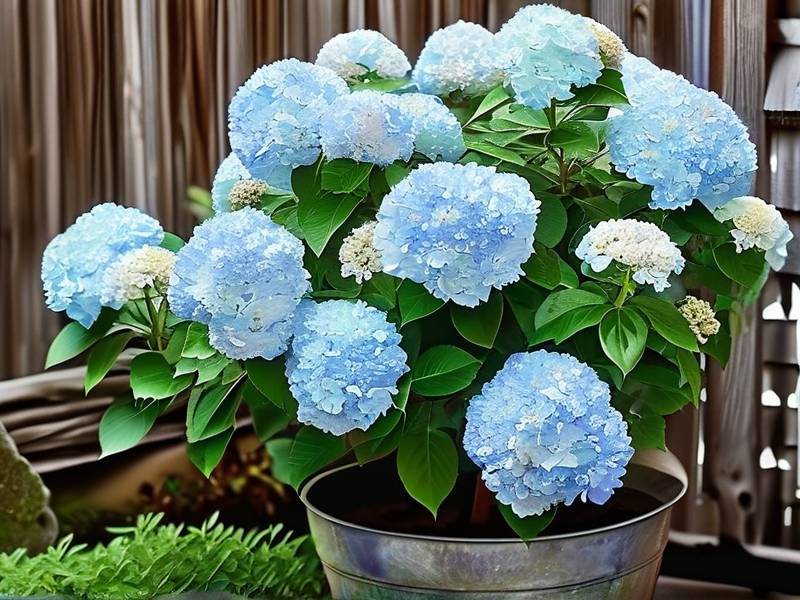
Mistake 1: Watering Too Much
This is the number one killer. I used to think hydrangeas loved wet feet. Actually, they hate sitting in water. The roots rot quickly. You cannot see the rot until the leaves start drooping. By then, it is often too late.
What I did wrong: I watered my first hydrangea every evening. The pot had no drainage holes. I thought a layer of gravel at the bottom would help. It did not. The water pooled at the roots. Within two weeks, the stems turned black and mushy.
The fix: I stopped watering entirely for one full week. Then I felt the soil with my finger. It was still damp an inch down. So I waited another three days. Only when the top two inches felt dry did I water again. And I switched to a pot with actual drainage holes. That alone changed everything.
My observation after 2 weeks: The hydrangea started showing new green shoots at the base. The old yellow leaves stopped falling. I knew the roots were healing.
Mistake 2: Wrong Light Exposure
I tried growing a hydrangea in full afternoon sun on my balcony. The leaves got scorched within days. They turned white-brown and curled up. I thought it needed more sun. So I moved it to an even brighter spot. That made it worse.
What I learned: Hydrangeas love bright, indirect light. Direct afternoon sun is too harsh, especially in hot climates. But total shade also kills them. They need a balance.
The fix: I moved my hydrangea to a spot that gets direct morning sun for about four hours. Then bright shade for the rest of the day. I have a north-facing window that works perfectly. Within a week, the scorched leaves stopped spreading. New leaves looked healthy and green.
My observation after 2 weeks: The plant stopped looking stressed. The leaves were firm and upright. I could see the difference in just ten days.
Mistake 3: Using the Wrong Pot
This one is sneaky. I used a beautiful ceramic pot with no drainage hole. I thought I was being smart by putting a layer of pebbles at the bottom. Actually, the RHS explains that this creates a "perched water table." Water collects above the pebbles, and roots stay wet. It is basically a water trap.
What I did wrong: I kept my hydrangea in a decorative pot without drainage for over a month. The roots started rotting from the bottom up. I had no clue until I pulled the plant out. The root ball smelled like rotten eggs.
The fix: I repotted into a plastic nursery pot with plenty of drainage holes. Then I placed that inside the decorative pot. Now I can take the inner pot out to water. I let excess water drain completely before putting it back. This simple trick prevents overwatering completely.
My observation after 2 weeks: The root system started recovering. I saw white, healthy roots growing through the drainage holes. The foliage perked up noticeably.
Why Most Hydrangeas Fail Within the First Month
I have seen this pattern over and over. People buy a beautiful hydrangea from the garden center. It is full of flowers. They bring it home, water it daily, and place it in direct sun. Within three weeks, the plant looks dead. They throw it away. That is a shame.
According to the RHS, hydrangeas are sensitive to sudden changes in environment. Moving from a greenhouse to your home is a shock. Overwatering is the most common response to that shock. People think the drooping leaves mean thirst. Actually, drooping often means the roots are drowning.
I have also noticed that many new hydrangea owners use regular garden soil. That is too heavy for pots. It holds too much water. I recommend mixing potting soil with perlite. This improves drainage. I started doing this after my third hydrangea died. It made a huge difference.
Step-by-Step Revival Plan I Used Successfully
Here is exactly what I did to revive my dying hydrangea. Follow this order. Do not skip steps.
Step 1: Stop Watering Immediately
I stopped all watering for 7 days. No exceptions. I did not even mist the leaves. The soil needed to dry out. If the pot feels heavy, it means the soil is waterlogged. Wait until the pot feels light when you lift it. That is your signal.
My timeline: Days 1-7, no water. Day 8, I checked soil moisture with my finger. Still damp. So I waited until day 10. Then I watered lightly.
Step 2: Check the Roots
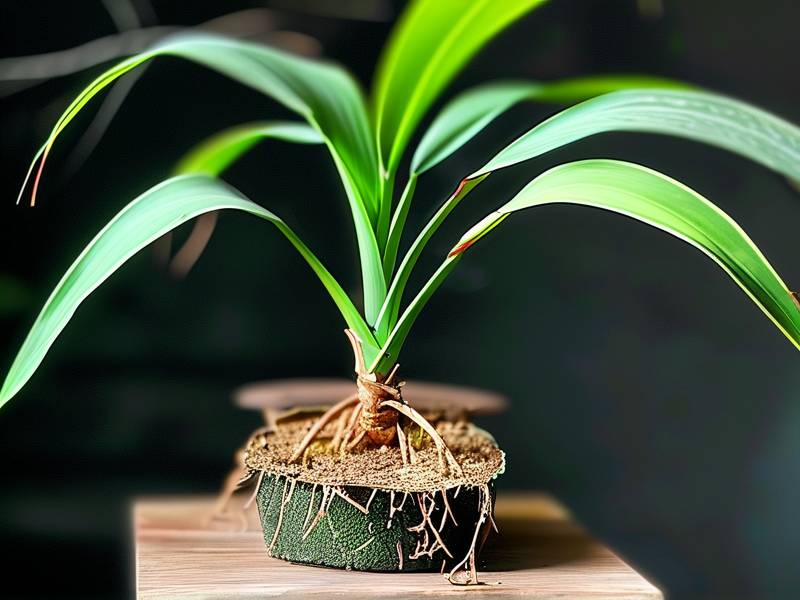
After a week of drying, I gently pulled the hydrangea out of its pot. I looked at the roots. Healthy roots are white or light tan. Rotten roots are brown, mushy, and smell bad.
What I found: About half the roots were rotten. I trimmed them with clean scissors. I cut away all the black and soft parts. I left only firm, white roots.
My advice: Do not be afraid to cut a lot of roots. It feels scary, but it is necessary. I cut away at least 30% of the root mass. The plant recovered fine.
Step 3: Repot into a Fresh Pot with Drainage
I used a plastic nursery pot with at least 5 drainage holes. I filled it with fresh, well-draining potting mix. I added about 20% perlite to the mix. This ensures the soil does not stay wet too long.
AHS recommends using a pot that is only one size larger than the root ball. Too big a pot holds too much moisture. I used a 10-inch pot for my medium-sized hydrangea. That worked well.
Step 4: Adjust Light Exposure Immediately
I moved the hydrangea to a spot with bright, indirect morning light. My east-facing window is ideal. It gets sun from 6 AM to 10 AM, then bright shade. I kept it there for the full 14-day recovery period.
What I noticed: The leaves stopped drooping after just 3 days. The color started returning on day 5. On day 12, I saw new leaf growth.
Step 5: Water Only When Soil Is Dry
After the initial week of no water, I started a strict watering schedule. I only watered when the top two inches of soil felt dry. I used my finger, not a moisture meter. Finger testing is more reliable for me.
My routine: I checked every other day. In the first two weeks, I watered only twice. The plant did not need more.
Step 6: Do Not Fertilize During Recovery
I made this mistake on my second hydrangea. I thought fertilizer would help it recover. Actually, fertilizer stresses stressed plants. Roots cannot absorb nutrients properly when they are damaged.
I waited three weeks before adding any fertilizer. Then I used a balanced 10-10-10 liquid fertilizer at half strength. That is enough.
The Two-Week Observation Record
I kept a journal during the recovery of my third hydrangea. Here is what I saw day by day.
Day 1: Leaves were drooping. Soil was wet. I stopped watering and moved it to morning sun.
Day 3: Some leaves perked up slightly. The soil still felt damp. I did nothing.
Day 5: New leaves looked a bit greener. Old yellow leaves were still falling off, but fewer.
Day 7: I repotted the plant. Roots looked better than expected. I trimmed only a few rotten ones.
Day 9: The plant looked stable. No new drooping. Soil was finally drying.
Day 11: I noticed tiny new leaf buds at the base. This was a huge relief.
Day 14: The hydrangea looked healthy again. Not perfect, but alive and growing. I continued the same care routine.
Common Questions I Get About Reviving Hydrangeas
Can I save a hydrangea with completely rotten roots?
Honestly, if all roots are black and mushy, it is probably too late. But I have saved plants with only 20% healthy roots. Trim the rotten parts, repot in dry soil, and do not water for a week. If you see any white roots, there is hope.
How often should I water a recovering hydrangea?
Much less often than you think. For the first two weeks, I watered only twice. After that, once every 4-5 days. Always check soil moisture first. Do not water on a schedule. Water based on need.
Should I cut off dying leaves?
Yes, but only the completely dead ones. I cut off yellow and crispy leaves. But I left leaves that were still partly green. Those leaves still help the plant photosynthesize. Removing too many leaves adds more stress.
Final Thoughts from My Experience
Reviving a dying hydrangea takes patience. I rushed my first few attempts and failed. But when I slowed down and followed these steps, the plant bounced back within two weeks. The key is to stop overwatering, fix the pot situation, and give the plant bright but indirect light.
I still make mistakes sometimes. But now I know what to look for. If you catch the problem early, your hydrangea has a very good chance of survival. Trust me, I have been where you are. It feels frustrating. But your hydrangea is probably not dead yet. Give it time.
AHS also reminds us that hydrangeas are hardy plants. They can survive a lot. The biggest danger is overcare. Let it be. Let it dry. Let it rest. You will see new growth soon.