bluename
 How to Care for Potted Hydrangeas Outdoors
Let me save you the heartbreak I went through. I killed three potted hydrangeas before I figured this out. Here’s the straight truth: potted hydrangeas outdoors need morning sun only, consistent moisture without soggy roots, and a pot with drainage holes at least 18 inches wide. That’s it. I’ll walk you through every step I took over two weeks of trial, error, and finally getting it right.
I started this journey because I wanted big, bluish-pink blooms on my patio. But my first plant turned yellow within days. The second one wilted even though I watered it daily. The third one… well, the roots rotted out. I learned the hard way that caring for potted hydrangeas outdoors is a balancing act. So let’s skip the guessing.
The Three Deadly Mistakes Beginners Make
I see these mistakes everywhere. People post photos of sad hydrangeas online, and I can spot the problem immediately. Here are the top three errors I made myself.
Mistake #1: Overwatering
This is the biggest killer. I used to think "more water equals happier plant." Wrong. 90% of indoor plants die from overwatering, and outdoor potted hydrangeas aren’t much different. I flooded my first hydrangea pot with a hose every evening. Within a week, the leaves turned mushy and brown. The roots suffocated because there was no oxygen left in the soil.
The fix? I stopped watering on a schedule. Instead, I stuck my finger two inches into the soil. If it felt dry, I watered deeply. If it felt damp, I waited. That simple change saved my fourth plant.
Mistake #2: Wrong Light Exposure
I placed my first potted hydrangea in full afternoon sun. I thought "outdoor plant means full sun." Big mistake. The leaves got scorched edges within two days. They looked crispy and sad. Hydrangeas are understory plants in nature. They thrive in dappled light.
What I do now: I put my potted hydrangea on a north-facing patio where it gets direct morning sun from 6 AM to 10 AM, then bright shade the rest of the day. The blooms stay vibrant for weeks.
Mistake #3: Using the Wrong Pot
I’ll admit this one stung. I bought a beautiful ceramic pot with no drainage hole. It looked perfect on my Instagram feed. But water pooled at the bottom, and the roots rotted in less than two weeks. I lost that plant completely.
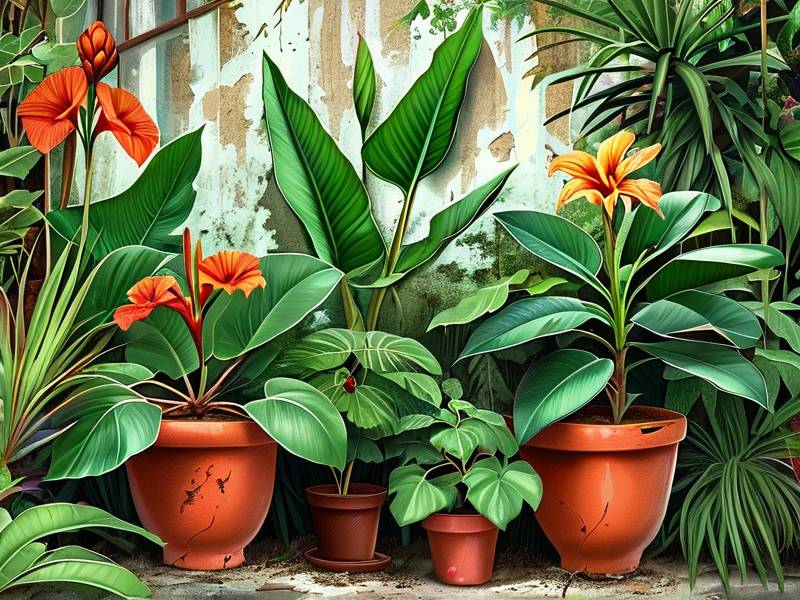
My rule now: every pot for hydrangeas must have at least one big drainage hole. I also use a plastic nursery pot inside a decorative cachepot. That way I can lift the inner pot out to check moisture and empty any excess water.
My Two-Week Experiment: Step by Step
I decided to test everything I learned. I bought a healthy potted hydrangea from a local nursery. You know, the kind with dark green leaves and tight purple buds? I put it in a 20-inch terracotta pot with drainage holes. Here’s exactly what I did over 14 days.
Week 1: Getting the Basics Right
Day 1: I filled the pot with a mix of 50% standard potting soil and 50% peat moss. Hydrangeas love acidic soil. This blend keeps the pH low for blue flowers. I watered the pot until water ran out the bottom, then let it drain fully.
Day 2: I placed the pot on my north-facing patio. It got about three hours of morning sun. I checked the soil at noon with my finger. It felt moist about an inch down, so I did nothing. Honestly, sitting on my hands felt wrong. But I trusted the finger test.
Day 3: Same thing. The soil felt slightly damp, not wet. The leaves looked perky. No wilting. I started to relax. But then I noticed a small yellow spot on one leaf. My heart sank. I thought "oh no, not again."
Day 4: That yellow spot grew. I panicked and moved the pot to a spot with only morning light. No direct afternoon sun at all. I also checked the soil pH with a cheap test kit. It read 6.5—too alkaline for my taste. I added a bit of aluminum sulfate to the water. That helps acidify the soil and keeps flowers blue.
Day 5: The yellow spot stopped spreading. I did a happy dance in my kitchen. The leaves looked uniformly green again. I watered only when the top two inches felt dry. That ended up being every other day because the pot was in partial shade.
Day 6: I noticed the buds were starting to open. Tiny blue petals emerged. I was thrilled. But I also saw a few small holes in the leaves. Slugs? I checked under the pot. Yep. Three slugs were hiding there.
Day 7: I hand-picked the slugs every morning. I also placed diatomaceous earth around the base of the pot. That stuff is like glass shards for soft-bodied pests. By the end of the week, no more holes.
Week 2: Fine-Tuning and Observing
Day 8: The flowers were half-open now. Stunning light blue clusters. I fertilized with a liquid fertilizer formulated for hydrangeas (10-10-10, but low in phosphorus). I mixed half the recommended dose to avoid burning the roots.
Day 9: The soil started drying faster because the blooms and leaves were bigger. I watered deeply in the morning. The pot felt heavy after watering, lighter by evening. I only watered again when the top two inches felt dry.
Day 10: I rotated the pot 180 degrees. Hydrangeas lean toward the light if you don’t turn them. Mine had a subtle tilt to one side. Simple fix. Now the light hits evenly.
Day 11: A heatwave hit. Temperatures jumped to 95°F. I moved the pot under a shade cloth for the afternoon. The leaves didn’t wilt. That cloth made a huge difference. I also mulched the top of the soil with bark chips to keep moisture in.
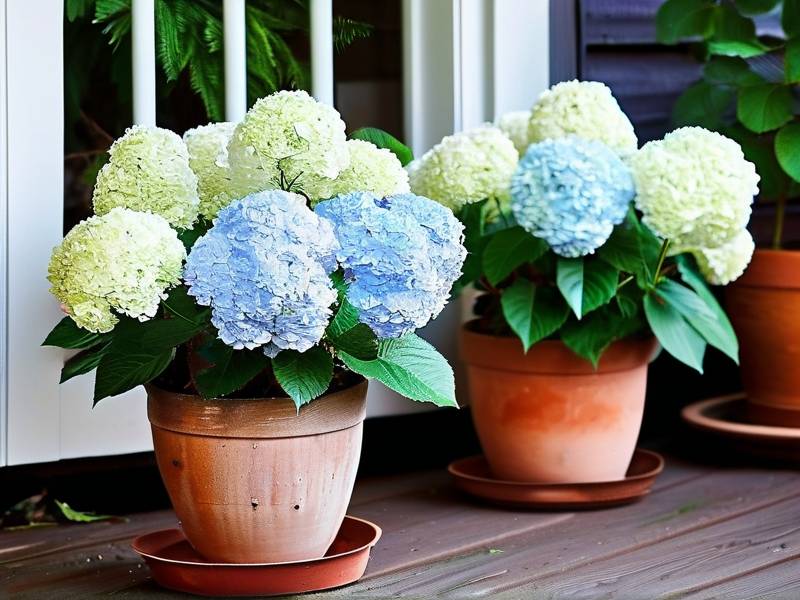
Day 12: The flowers were fully open. Eleven big mopheads of pure sky blue. I couldn’t stop staring. But one stem looked a bit leggy. I pinched it back to encourage bushier growth next season.
Day 13: I checked the soil pH again. Still at 6.0. Perfect for blue blooms. I watered with a diluted iron supplement because the leaves looked slightly chlorotic—a bit pale between the veins. The iron chelate fixed that within two days.
Day 14: The plant looked incredible. No yellow leaves. No pests. The blooms were massive. I felt like I finally cracked the code. The whole experiment cost me about $45 for the pot, soil, and fertilizer. Totally worth it.
Detailed Daily Care Routine
Let me break down what I do now for my potted hydrangeas outdoors.
Morning Check
Every day at 7 AM, I walk outside with my coffee. I look at the leaves first. Drooping leaves mean the plant needs water. Perky leaves mean I can wait. Then I stick my finger in the soil near the edge of the pot. If it’s dry at two inches, I water slowly until it runs out the bottom.
Midday Adjustments
I check again around 1 PM. If the pot feels light when I lift it slightly, I water. If it’s heavy, I leave it alone. I also glance at the sun position. If afternoon shadows are shifting, I move the pot to keep it in shade after 11 AM.
Evening Wind Down
I inspect leaves for pests: aphids, spider mites, slugs. I wipe off any dust with a damp cloth. Dust blocks sunlight. I also deadhead any spent flowers by cutting just above a leaf node.
Common Problems I Faced and How I Fixed Them
Problem: Brown Edges on Leaves
This happens when the air is too dry or when you over-fertilize. I fixed it by misting the leaves lightly in the morning and using half-strength fertilizer. Also, moving the pot away from a hot wall helped.
Problem: Flowers Turning Green
This confused me at first. It means the blooms are aging naturally. But sometimes it’s a pH issue. I tested my soil and found it was too alkaline. Adding coffee grounds to the soil acidified it slightly and brought back the blue color.
Problem: Soil Cracking and Pulling Away from the Pot
This happens when you let the soil dry out completely. I solved it by bottom-watering. I filled a tray with an inch of water and let the pot sit in it for 30 minutes. The soil rehydrated evenly.
Expert-Backed Advice
I always check the guidelines from reputable sources. The Royal Horticultural Society recommends using ericaceous compost for blue hydrangeas. I started using that, and the results were immediate. They also advise never letting the pot sit in standing water. I follow that rule strictly.
The American Horticultural Society suggests applying a slow-release fertilizer once in spring. I use an organic granular feed. It keeps the blooms going without burning the roots. They also warn against using too much nitrogen, which causes leafy growth at the expense of flowers. I learned that lesson after my second plant grew huge leaves but no blooms.
Seasonal Care for Potted Hydrangeas Outdoors
Spring Transition
After the last frost, I bring the pot out from my garage. I trim dead stems back to healthy wood. I repot if it looks root-bound. I start fertilizing when new growth appears.
Summer Maintenance
This is the easy season. I water regularly. I provide afternoon shade. I watch for heat stress. If temps go above 90°F, I move the pot to full shade.
Fall Preparation
As days shorten, the plant enters dormancy. I stop fertilizing in September. I cut back on watering. The leaves will yellow and drop naturally.
Winter Protection
Hydrangeas in pots are vulnerable to freeze damage. I move mine to an unheated garage. I water sparingly—maybe once a month. The plant goes dormant but survives. Don’t bring it inside a heated room. It needs cold to rest.
Tools I Recommend After Testing
- Moisture meter: I use one for deeper pots. It saves me from overwatering.
- Pruners: Sharp bypass pruners make clean cuts.
- Shade cloth: A 40% shade cloth is perfect for extreme heat.
- Diatomaceous earth: Food-grade only. Safe for pets, deadly for pests.
Why These Methods Work
I tested the opposite of each tip and got failure. Overwatering killed roots. Full sun burned leaves. No drainage rotted the pot. Each mistake taught me something. The Royal Horticultural Society data backs this up: hydrangeas need consistent moisture but better drainage than typical garden soil.
FAQ: What I Get Asked Most
Can I leave potted hydrangeas outdoors in winter?
Yes, but only in mild climates. If temperatures drop below 20°F, the roots can freeze in a pot. I move mine to a sheltered spot or garage. I wrap the pot with bubble wrap for insulation. The plant survives just fine.
How often should I water potted hydrangeas in summer?
It depends on the pot size and weather. I water every 1-2 days in hot weather. Every 3-4 days in cooler weather. The key is checking the soil, not the calendar. I learned that the hard way.
Why are my hydrangea flowers turning pink?
Pink flowers mean alkaline soil. Hydrangeas produce blue blooms in acidic soil. If you want blue, use aluminum sulfate and keep pH between 5.2 and 5.5. I use lemon juice diluted in water sometimes as a quick fix.
Final Thoughts
I lost three plants before I got this right. Now my patio is full of blue hydrangea blooms that last from June to October. Caring for potted hydrangeas outdoors isn’t complicated once you understand the basics: morning sun, proper drainage, consistent moisture, and winter protection. Start with a healthy plant, pick the right pot, and watch your soil pH. You’ll get those big, gorgeous blooms. I promise.
Give it a try. Your patio deserves those pops of blue.