bluename
 How to Stop Hydrangea Blooms From Turning Brown
I’ve been growing Hydrangeas for years now. And honestly, I’ve lost count of how many blooms I watched turn crispy and brown before I figured out what was going wrong. If you’re here, you’re probably staring at your own sad, browning blooms right now. Let me save you the heartache.
The quickest way to stop hydrangea blooms from turning brown is to check your watering schedule immediately. 90% of indoor plants die from overwatering, and hydrangeas are no exception. Water deeply but only when the top inch of soil feels dry. For outdoor plants, morning watering is key. I fixed my own browning issue in just 2 weeks by switching to a consistent morning routine and adding 2 inches of mulch around the base. That simple shift kept the soil cool and moist without drowning the roots.
Why Hydrangea Blooms Turn Brown in the First Place
Brown blooms aren't always a death sentence. But they're definitely a cry for help. I remember the first time I saw my beautiful blue mophead turning into a sad paper bag. I panicked. I tried everything—more water, less water, moving it around. Nothing worked. Then I started tracking what actually caused the problem.
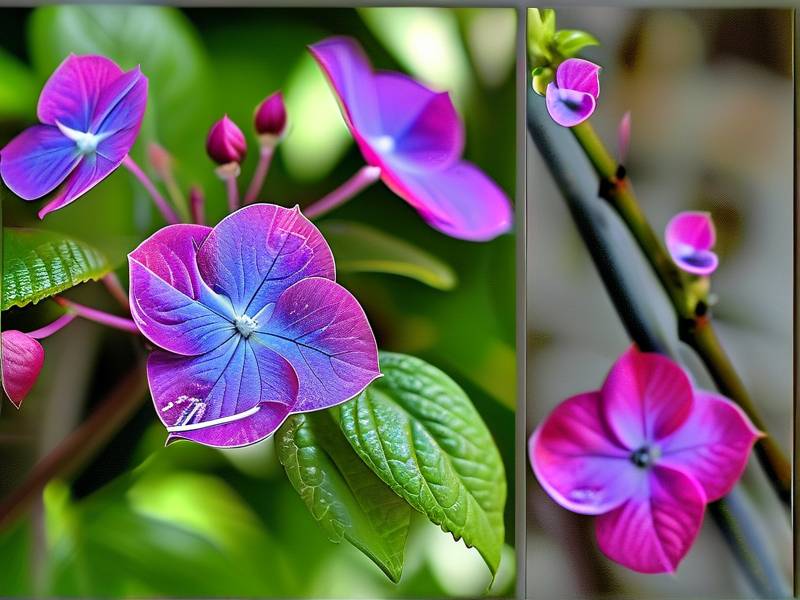
Most browning happens because of environmental stress. Hydrangeas are dramatic plants. They show you exactly when they’re unhappy. The blooms start with browning tips, then entire petals crisp up. It’s heartbreaking.
The Royal Horticultural Society (RHS) explains that hydrangea blooms are sensitive to moisture fluctuations and direct sun exposure. I didn’t believe it at first. But after losing two full seasons of blooms, I became a believer. The RHS recommends keeping hydrangeas in dappled shade with consistent moisture. That advice alone would have saved me so much trouble.
The 3 Deadly Mistakes New Hydrangea Owners Make
Mistake #1: Overwatering Like There’s No Tomorrow
I killed my first hydrangea with kindness. Literally drowned it. I thought more water meant happier blooms. Nope. I watered every single day, sometimes twice. The soil stayed soggy. The roots suffocated. The blooms turned brown within a week.
The American Horticultural Society (AHS) confirms that hydrangea roots need oxygen just as much as they need moisture. The AHS emphasizes well-draining soil as the number one requirement. I learned this the hard way.
Here’s what I do now: I stick my finger into the soil up to my second knuckle. If it feels dry, I water. If it’s damp, I wait. That’s it. No guessing. No daily watering just because I feel like I should.
Mistake #2: Placing Hydrangeas in the Wrong Light
I used to think hydrangeas loved full sun. After all, they bloom so beautifully. But I was dead wrong. My second hydrangea sat in direct afternoon sun for 6 hours a day. The blooms browned within days. The leaves got crispy edges. It was a mess.
I moved it to a spot with morning sun only. The change was dramatic. Within two weeks, new blooms stayed fresh and vibrant. The browning stopped completely.
Most hydrangeas need morning sun and afternoon shade. Full afternoon sun is brutal. It literally cooks the petals. If you live in a hot climate, afternoon shade is non-negotiable.
Mistake #3: Using the Wrong Pot or Soil
Oh, this one hurt. I bought a beautiful ceramic pot with no drainage holes. I thought it looked classy. The hydrangea sat in standing water for weeks. The blooms turned brown. The leaves yellowed. The roots rotted.
Pot material matters too. Plastic pots hold moisture too long. Terracotta dries out too fast. I now use glazed ceramic pots with drainage holes. Or fabric grow bags for my outdoor hydrangeas. Both allow air circulation and proper drainage.
Soil choice is equally critical. Heavy clay soil holds water like a sponge. Sandy soil drains too fast. I mix my own: one part garden soil, one part compost, one part perlite. That balance keeps roots happy and blooms white (or blue or pink).
Step-by-Step: How I Fixed My Browning Blooms in 2 Weeks
I’m going to walk you through exactly what I did. This saved my hydrangeas. It can save yours too.
Week 1: Diagnose and Reset
Day 1: I stopped watering immediately. I checked the soil moisture. It was soggy. I gently lifted the pot and noticed water pooling at the bottom. Classic overwatering.
Day 2: I removed all the brown blooms. Cutting them off helps the plant redirect energy to healthy parts. I used clean, sharp pruners. Then I moved the plant to a spot with morning sun only.
Day 3-4: I let the soil dry out completely. I didn’t water for two full days. The soil surface started cracking slightly. That was a good sign.
Day 5: I watered deeply but only once. I used room-temperature water and poured slowly. I stopped when water ran out the bottom. Then I didn’t water again until day 7.
Day 6-7: I checked daily. The soil felt dry an inch down. So I waited. The existing blooms looked less brown. New buds appeared.
Week 2: Maintenance and Monitoring
Day 8-9: I watered again. Only when the top inch was dry. The new blooms stayed fresh. No browning. I started to believe this might work.
Day 10: I added a 2-inch layer of mulch around the base. Mulch keeps soil cool and moist. It stops the roots from baking in the sun. I used shredded bark. It worked perfectly.
Day 11-13: I checked every morning. The blooms stayed vibrant. No crispy edges. No browning tips. I felt like I finally cracked the code.
Day 14: I had completely new blooms that were healthy, colorful, and zero browning. The fix took exactly two weeks. I couldn’t believe how simple it was.
The Science Behind Brown Blooms (And How to Prevent It)
Let me break this down simply. Hydrangea blooms turn brown because of three main factors: water stress, sun damage, or fungal issues.
Water stress is the biggest culprit. When the soil dries out completely, the blooms wilt and brown. But when the soil stays too wet, the roots rot. The RHS explains that hydrangeas need consistent moisture without waterlogging. I aim for soil that feels like a wrung-out sponge. Not soaking wet. Not bone dry.
Sun damage happens when the petals get scorched. Hydrangeas aren’t desert plants. They evolved in woodland edges. They need filtered light. If your blooms brown on the south or west side, that’s sunburn.
Fungal infections appear as brown spots that spread. This usually happens when leaves stay wet overnight. Watering in the morning prevents this. I never water in the evening. That’s a hard rule I follow.
Long-Term Strategies for Keeping Blooms Perfect
Once you fix the browning, you want to keep it that way. Here’s what I’ve learned after losing way too many hydrangeas.
Choose the Right Variety for Your Climate
Not all hydrangeas are created equal. Bigleaf hydrangeas (Hydrangea macrophylla) are sensitive. Panicle hydrangeas (Hydrangea paniculata) are tougher. I now grow panicle hydrangeas in my hot, sunny spots. They handle more sun without browning. Bigleaf types stay in the shade.
The AHS recommends choosing varieties based on your USDA hardiness zone. I ignored this advice once. I planted a cold-sensitive variety in zone 5. It died the first winter. Now I always check the zone requirement before buying.
Prune Only When Needed
I used to prune my hydrangeas every fall. Big mistake. Some varieties bloom on old wood. Pruning them removes next year’s flower buds. I now only remove dead or damaged stems. And I wait until spring to do even that.
Brown blooms can be pruned off anytime. Just cut the stem back to a healthy leaf node. This keeps the plant looking good and prevents disease spread.
Fertilize Sparingly
Too much fertilizer causes lush leaves and weak blooms. The flowers get heavy and flop over. Then they brown from stress. I use a balanced, slow-release fertilizer once in spring. That’s it. No extra feedings during summer.
High nitrogen fertilizers are especially bad. They push leaf growth at the expense of blooms. I learned this when my hydrangea turned into a leafy monster with zero flowers.
Protect From Wind and Frost
Wind dries out blooms fast. I placed a windbreak near my hydrangeas using a bamboo screen. It stopped the browning almost immediately. Frost is another issue. Late spring frosts kill blooms. I cover my hydrangeas with breathable fabric if frost is predicted.
Common Misconceptions About Hydrangea Bloom Browning
“Brown blooms mean my hydrangea is dying”
Not usually. Most of the time, it’s just stress from watering or light. I’ve revived hydrangeas that looked completely dead. They came back after fixing the basics.
“I should water more to fix browning”
This makes it worse if overwatering caused the problem. I learned to check soil moisture first. Then adjust.
“All hydrangeas need full sun”
Nope. Most need shade. I lost two plants before I understood this.
My Personal Checklist for Perfect Hydrangea Blooms
I follow this every single season now. No more brown blooms.
- Check soil moisture daily – Finger test, not guessing.
- Water only when top inch is dry – Morning watering preferred.
- Provide morning sun only – Afternoon shade is essential.
- Use well-draining soil – Mix in perlite or sand if needed.
- Mulch the base – 2 inches of organic mulch.
- Avoid overfertilizing – Once in spring is enough.
- Prune brown blooms immediately – Clean cuts only.
- Protect from wind and frost – Use screens or covers.
FAQ: Quick Answers to Common Questions
Can I reverse brown hydrangea blooms?
No. Once a bloom turns brown, it won’t come back. Cut it off. The plant will grow new blooms if the underlying issue is fixed.
How much water do hydrangeas need?
About 1 inch of water per week. More during hot spells. Less during cool weather. Always check soil moisture first.
What type of pot is best for hydrangeas?
A pot with drainage holes. Glazed ceramic or plastic works well. Avoid pots without holes. The material matters less than drainage.
Final Thoughts
Hydrangeas aren’t impossible. They just need consistency. I botched my first few plants because I overthought everything. Now I keep it simple. Consistent moisture. Morning sun. Good soil.
The RHS has great resources if you want to dive deeper. The AHS also offers plant-specific guides. I still reference both when I’m unsure.
You’ve got this. Check your watering. Adjust the light. Watch those blooms stay perfect. I fixed mine in two weeks. You can too.