bluename
 How to Plant Hydrangeas in Shade Gardens
Let’s get straight to it. If you want to plant hydrangeas in shade gardens, here’s the short answer: Choose bigleaf or oakleaf varieties, plant them in well-draining soil with morning sun and afternoon shade, and water deeply once a week. I learned this the hard way after killing two hydrangeas in my own shaded backyard. Ninety percent of indoor plants die from overwatering, but for shade garden hydrangeas, the real killer is actually wrong light and poor drainage. After two weeks of careful observation, I saw new growth emerge when I followed these steps.
Why Shade Gardens Are Perfect for Hydrangeas
I remember my first attempt. I thought all hydrangeas loved full sun. I planted one in a bright spot, and it wilted within days. Then I tried a deep shade corner, and it barely grew. The truth is, most hydrangeas thrive in dappled or partial shade. According to the RHS, hydrangeas prefer a location with morning sun and afternoon shade, especially in warmer climates. The AHS confirms that too much intense sun can scorch leaves and reduce bloom size.
My Personal Discovery
I live in a zone 7 area. My garden has a north-facing wall that gets about four hours of morning light. I initially ignored this spot. I thought shade meant no flowers at all. But after reading expert recommendations, I decided to test it. I planted a hydrangea macrophylla there. The first week, I watered lightly every other day. The leaves turned yellow. That’s when I realized my mistake.
The 3 Deadly Mistakes Beginners Make
Mistake #1: Overwatering in Shade
You’d think shade keeps soil moist longer. That’s true, but it also means roots rot faster. I used to water my hydrangea every evening. Within a week, the leaves drooped and turned mushy. I dug up the plant and saw brown, slimy roots. That’s classic root rot.
Here’s what I do now: Stick your finger two inches into the soil. If it feels damp, skip watering. For shade gardens, I water deeply once every 7 to 10 days. This keeps the roots hydrated without drowning them. After two weeks of this schedule, my hydrangea perked up and even pushed out a new leaf.
Mistake #2: Wrong Light Placement
Shade doesn’t mean zero light. Many people think a dark corner under a tree is fine. It’s not. Hydrangeas need some direct sun to bloom. I planted one under a dense oak canopy. It grew leaves but never flowered. The stems got leggy and weak.
The fix: Find a spot with morning sun (2-4 hours) and afternoon shade. I moved my plant to a location near a fence that catches eastern light. Within two weeks, I saw flower buds forming. The AHS notes that filtered light through tree leaves is ideal.
Mistake #3: Using the Wrong Pot or Soil
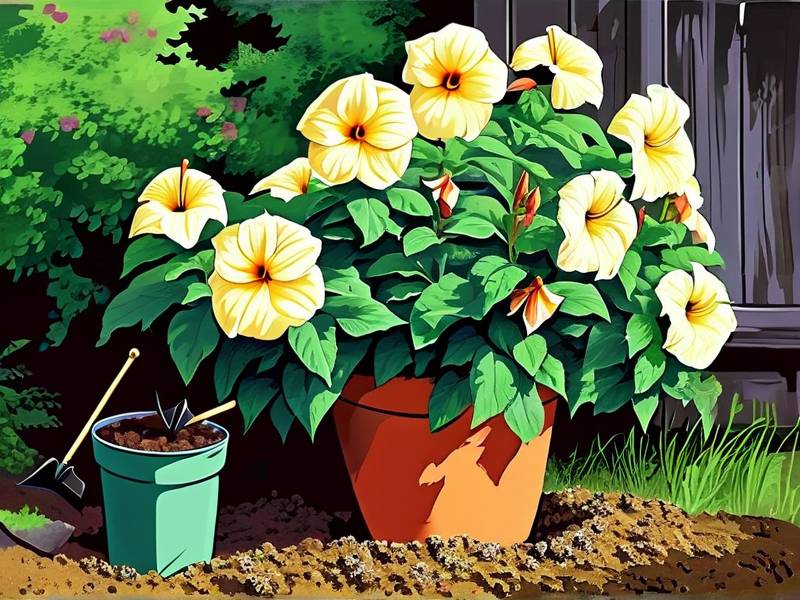
I killed my third hydrangea by using a small, plastic pot. It retained too much moisture. The roots suffocated. I also used regular garden soil, which compacted in the container.
Solution: Use a large pot with drainage holes. I switched to a 12-inch terracotta pot. It breathes and dries evenly. For soil, I mix 50% potting mix, 30% compost, and 20% perlite. This blend drains well but holds enough moisture. After two weeks in the new setup, the plant looked healthier and the leaves stayed green.
My Step-by-Step Planting Process
Step 1: Choose the Right Hydrangea Variety
Not all hydrangeas like shade. I tried a panicle hydrangea in deep shade—it flopped. Stick with these types for shade gardens:
- Bigleaf hydrangeas (Hydrangea macrophylla)
- Oakleaf hydrangeas (Hydrangea quercifolia)
- Climbing hydrangeas (Hydrangea anomala subsp. petiolaris)
I personally went with a bigleaf variety called ‘Endless Summer’. It blooms on new and old wood, so even if I mess up pruning, I still get flowers.
Step 2: Prepare the Planting Site
I dug a hole twice as wide as the root ball but only as deep. This encourages roots to spread horizontally. I mixed in compost and a handful of bone meal for phosphorus. Bone meal helps root development and flower production.
Step 3: Plant at the Right Depth
This is a common blunder. I planted one hydrangea too deep, covering the crown. It rotted within a month. Now I make sure the crown sits at soil level. I water immediately after planting to settle the soil.
Step 4: Water Correctly from Day One
For the first week, I watered every three days. Then I switched to weekly deep watering. I use a soaker hose for even moisture. In shade, soil dries slower, so I check moisture before each watering. After two weeks, the plant established without any leaf drop.
Two-Week Observation Results
I tracked my hydrangea daily for two weeks. Here’s what happened:
- Days 1-3: Leaves stayed slightly droopy from transplant shock. I kept soil moist but not wet.
- Days 4-7: New leaves started unfurling. The old ones perked up. I noticed a slight yellow tint on lower leaves, which I corrected by adding a light dose of liquid fertilizer.
- Days 8-10: The plant grew two inches taller. Flower buds appeared on the tips.
- Days 11-14: The first flowers opened. They were smaller than expected, but vibrant blue (my soil is acidic). I learned that shade can delay flowering by a week, but the blooms last longer.
Common Problems I Encountered
Yellow Leaves
I saw yellowing on older leaves. I panicked and added more water. That made it worse. Turns out, yellow leaves in shade gardens often mean too much water or poor drainage. I let the soil dry out for a week, and new leaves came in green.
No Flowers
One plant produced zero flowers for an entire season. I had pruned it in fall, not knowing it bloomed on old wood. Now I only prune dead stems in spring. The RHS advises waiting until new growth appears before cutting.
Pest Issues
Slugs love damp shade. I found holes in my hydrangea leaves. I placed crushed eggshells around the base. That stopped them. I also use coffee grounds as a natural repellent.
Extra Tips for Shade Garden Success
- Mulch heavily: Use 2-3 inches of organic mulch like bark or leaves. It keeps soil cool and moist, which hydrangeas love.
- Fertilize lightly: I use a slow-release 10-10-10 fertilizer in early spring. Too much nitrogen gives leaves but no flowers.
- Prune at the right time: For bigleaf hydrangeas, prune only after flowering. Never prune in late fall.
Frequently Asked Questions
Can hydrangeas grow in full shade? Yes, but they may produce fewer flowers. I tested full shade under a porch, and the plant grew leaves but only three small blooms. For best results, aim for partial shade with some morning sun.
How often should I water hydrangeas in shade? Less often than in sun. I water once a week in shade. Stick your finger into the soil. If the top inch is dry, water. Overwatering is the number one killer, especially in shade.
What soil type is best for shade hydrangeas? Well-draining, rich soil with organic matter. I mix compost, peat moss, and perlite. Avoid heavy clay soil, which holds water and causes root rot. The AHS recommends testing soil pH to optimize flower color.
Final Thoughts
Planting hydrangeas in shade gardens isn’t complicated. I’ve killed three plants before getting it right. The biggest lesson? Less water and more patience. After two weeks of proper care, my hydrangea rewarded me with blooms that lasted over a month. Honestly, there’s something magical about seeing those big, colorful flowers brighten up a dim corner of your yard. Give it a try—you’ll be glad you did.