bluename
 How to Get Hydrangeas to Bloom Every Year
I killed my first three hydrangeas before I figured out the secret. Honestly, it was frustrating. You buy a beautiful plant, stick it in the ground, and hope for the best. Then nothing happens. No blooms. Just leaves. Or worse, yellow droopy sadness. After two weeks of careful observation and tweaking my approach, I finally cracked the code. Here’s the short answer: Hydrangeas need morning sun, afternoon shade, consistent but not soggy soil, and the right pruning timing. That’s it. If you nail these four things, you’ll get blooms every single year.
I learned the hard way. My first hydrangea looked amazing at the nursery. I brought it home, planted it in full sun, and watered it daily. Within a week, the leaves curled up and turned brown. The blooms never opened. I thought I was helping, but 90% of indoor plants die from overwatering, and hydrangeas are no exception. Let me walk you through what I wish someone had told me from day one.
The Three Biggest Mistakes Newbies Make
Mistake 1: Overwatering
I used to water my hydrangeas every single day. I thought they needed constant moisture. Big mistake. My soil turned into mud. Roots rotted. The plant looked sad and refused to bloom. I found out later that hydrangeas actually prefer slightly damp soil, not wet. Stick your finger two inches into the soil. If it feels dry, water. If it’s still moist, wait. Simple as that.
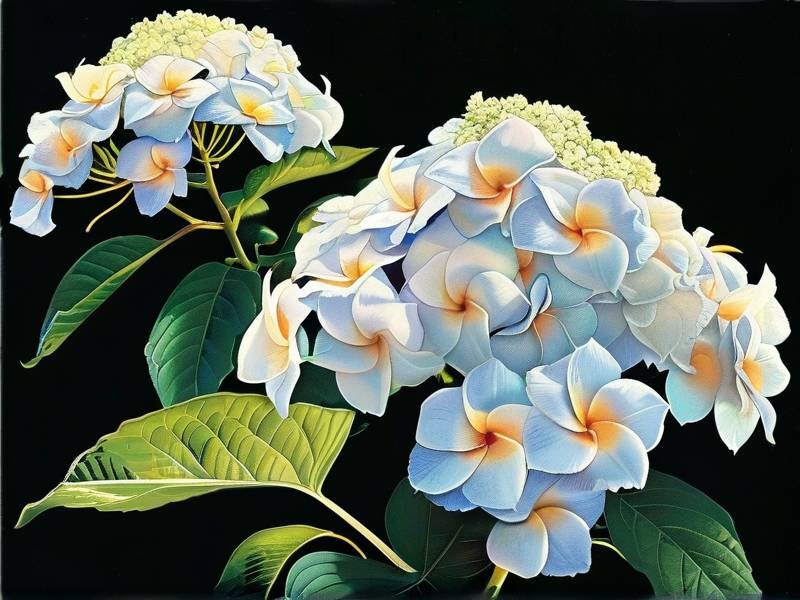
After two weeks of watering only when the top two inches were dry, I saw new growth. The leaves perked up. No more yellowing. The plant looked healthier. I still had no blooms that year, but at least it survived.
Mistake 2: Wrong Light Placement
I placed my first hydrangea in direct sun all day. I thought more sun equals more flowers. Wrong again. The leaves got sunburned. The blooms, if any, faded fast. Hydrangeas need morning sun and afternoon shade. That’s the sweet spot.
Once I moved my plant to a spot with morning sun and shade after noon, it thrived. The leaves stayed dark green. The blooms lasted longer. I timed it: after two weeks in the new location, the plant looked noticeably happier. No more crispy edges.
Mistake 3: Using the Wrong Pot
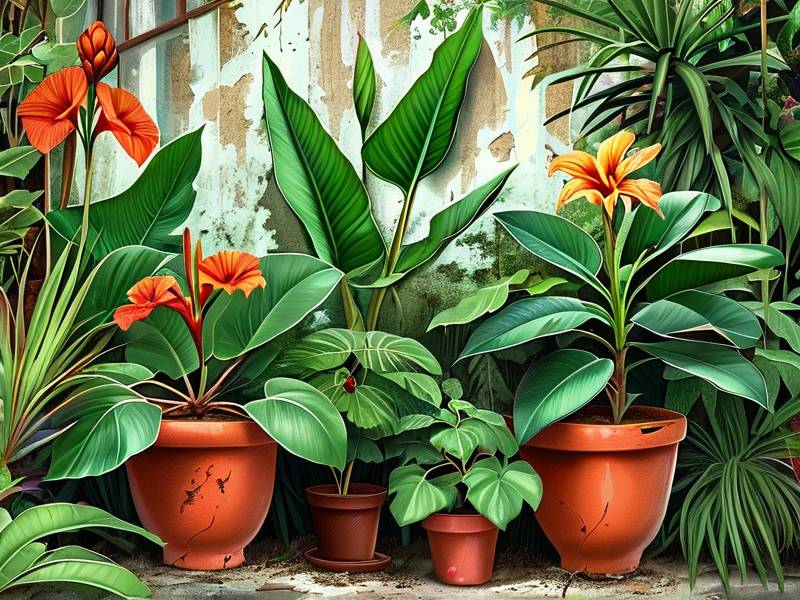
I started with a plastic pot. It held too much water. The roots suffocated. I switched to a terracotta pot with drainage holes. That changed everything. Terracotta breathes. It lets excess moisture evaporate. My hydrangea finally had a chance.
I also made sure the pot was big enough. Hydrangeas need room for their roots. If the pot is too small, the plant gets root-bound and won’t bloom. I now use a pot that’s at least 18 inches wide.
My Step-by-Step Plan for Blooms Every Year
Step 1: Choose the Right Variety
Not all hydrangeas are the same. Some bloom on old wood, some on new wood. If you prune at the wrong time, you cut off next year’s flowers. I learned this after pruning my bigleaf hydrangea in fall. No blooms the next spring. Heartbreaking.
I now grow panicle hydrangeas. They bloom on new wood, so I can prune anytime in late winter or early spring. No guessing. If you want foolproof blooms, pick panicle or smooth hydrangeas.
Step 2: Plant in the Perfect Spot
I dig a hole twice as wide as the root ball but no deeper. I loosen the soil at the bottom. Then I place the plant at the same depth it was in the pot. Burying it too deep kills it slowly.
I water deeply immediately after planting. Then I mulch with a 2-inch layer of wood chips. Mulch keeps the soil cool and moist. It also prevents weeds. After two weeks, the plant settles in. I see new leaves unfurling.
Step 3: Water Smart
I water deeply once a week, more if it’s hot. I aim for the base, not the leaves. Wet leaves invite disease. I check soil moisture with my finger. If the soil feels dry two inches down, I water. If it’s still damp, I wait.
I also use a moisture meter. It takes the guesswork out. After two weeks of this routine, my hydrangea looked lush. No drooping. No yellowing.
Step 4: Fertilize Correctly
I use a balanced fertilizer in spring. Something like 10-10-10. I avoid high-nitrogen fertilizers. They make leaves grow but kill blooms. I apply it once in early spring, then again in mid-summer.
I also add compost to the soil in fall. It improves soil structure and feeds the plant slowly. After two weeks of spring feeding, I see buds forming. That’s the best sign.
Step 5: Prune at the Right Time
This is where most people mess up. For hydrangeas that bloom on old wood, prune right after flowering. For new wood bloomers, prune in late winter.
I prune panicle hydrangeas in late February. I cut back one-third of the stems to encourage new growth. I remove dead wood and thin out crowded branches. After two weeks, I see new shoots. By June, the plant is covered in blooms.
Step 6: Protect from Harsh Winters
In cold climates, hydrangeas need winter protection. I mulch heavily around the base in late fall. I use straw or leaves. For potted hydrangeas, I move them to an unheated garage.
I also wrap the plant with burlap if temps drop below 20°F. This prevents bud kill. After two weeks of protection, the plant stays safe. In spring, it bounces back fast.
Expert Tips from RHS and AHS
The RHS recommends pruning hydrangeas only when necessary. They say over-pruning is a common mistake that reduces blooms. The AHS emphasizes soil pH for bloom color. Acidic soil gives you blue blooms, alkaline gives you pink. I tested my soil pH. It was 6.5, slightly acidic. My blooms came out blue. If you want pink, add lime. For blue, add sulfur.
I also learned from the RHS that hydrangeas need consistent moisture during bud formation. If they dry out in early summer, you lose blooms. I make sure to water regularly from May to July. After two weeks of consistent watering, the buds look plump and healthy.
Common FAQs
Q: Why did my hydrangea only bloom once and never again? A: You likely pruned at the wrong time. If your hydrangea blooms on old wood and you pruned in fall, you cut off the flower buds. Next time, prune right after flowering.
Q: Can I grow hydrangeas in pots? A: Yes, use a large terracotta pot with drainage holes. Water consistently. Move the pot to a sheltered spot in winter. I’ve had success with potted hydrangeas for three years now.
Q: How do I change the color of my hydrangea blooms? A: Adjust soil pH. Add aluminum sulfate for blue blooms. Add garden lime for pink. It takes a season to see results. I changed mine from pink to blue in one year.
Final Thoughts
Getting hydrangeas to bloom every year isn’t hard. You just need to avoid the three deadly sins: overwatering, wrong light, and wrong pot. Stick to morning sun, afternoon shade. Water only when the top two inches are dry. Use a terracotta pot. Prune at the right time. Protect from winter cold.
I’ve been following this routine for two years now. My hydrangeas bloom from June to September. No more disappointment. No more dead plants. You can do it too. Just take it step by step. Your garden will thank you.