bluename
 How to Grow Hydrangeas That Don’t Wilt
I killed my first three hydrangeas before I figured out the real trick. Here’s the straight answer: water deeply at the soil level, morning sun only, and use a large pot with drainage holes. My fourth hydrangea stayed perky through a 95°F heatwave. Let me walk you through exactly how I fixed my wilting mess.
Why Your Hydrangeas Keep Wilting
I remember staring at my first hydrangea. The leaves drooped like sad laundry in the afternoon sun. I poured more water on it. That made it worse. Honestly, I felt frustrated. Everyone says hydrangeas love water. But nobody tells you that love can drown them.
Turns out, 90% of indoor plants die from overwatering. Same goes for outdoor hydrangeas. The RHS explains that overwatering suffocates roots. I learned this the hard way. After killing two plants, I started tracking my mistakes. The third one nearly died too.
My 3 Biggest Mistakes That Caused Wilting
Mistake 1: Watering Every Day Like a Maniac
I used to water my hydrangeas daily. I thought more water meant happier leaves. Wrong. The soil stayed soggy. Roots rotted. Leaves wilted even though the ground was wet. I was basically drowning my plants.
What I do now: Check soil moisture with my finger. Stick it an inch deep. If it’s damp, I wait. If it’s dry, I water slowly until it drains out the bottom. I water deeply once or twice a week, not every day.
Mistake 2: Giving Them Harsh Afternoon Sun
My first hydrangea sat in full sun all day. By 3 PM, it looked like a wilted salad. I figured sun-loving plants need lots of light. Hydrangeas are different. They burn in direct afternoon rays.
My fix: Morning sun only. East-facing spot or dappled shade. My current hydrangea gets sun from 6 AM to 11 AM. Then it’s shaded by a maple tree. No more afternoon droop.
Mistake 3: Using a Tiny Plastic Pot
I started with a cute 6-inch ceramic pot. No drainage holes. Looked great. Killed the plant in two weeks. Water pooled at the bottom. Roots suffocated. The leaves stayed limp no matter what I did.
Now I use: A 12-inch terracotta pot with drainage holes. Terracotta breathes. Excess water evaporates through the walls. I added a layer of gravel at the bottom for extra insurance. Honestly, switching to the right pot changed everything.
Step-by-Step Guide: How I Grow Hydrangeas That Stay Perky
Step 1: Choose the Right Pot and Soil
I run my hand over terracotta pots at the garden center. The rough texture feels right. I pick one that’s at least 12 inches wide. Deep too. Hydrangea roots need room to spread.
For soil, I mix:
- 2 parts potting soil
- 1 part perlite
- 1 part compost
This drains fast but holds enough moisture. I learned this after my first plant sat in heavy clay-like mix. That poor thing never stood a chance.
The AHS recommends well-drained soil for hydrangeas. I trust their guidance now.
Step 2: Water Correctly for 2 Weeks Straight
I started a 2-week watering experiment with my fourth hydrangea. Here’s what I did every day:
Week 1:
- Checked soil moisture at 8 AM and 6 PM
- Only watered when top inch felt dry
- Used a watering can with a long spout
- Watered at soil level, never on leaves
I noticed after 4 days, the leaves stayed firm through afternoon heat. By day 7, new growth appeared at the tips. The color deepened from pale green to rich emerald.
Week 2:
- Increased watering to every 3-4 days instead of daily
- Each session: 2-3 cups of water for a 12-inch pot
- Used rainwater when possible (tap water can cause leaf burn)
By day 14, my hydrangea looked alive for the first time. The leaves stood upright, not sagging. One evening after a storm, I saw dew on the petals. It was worth the patience.
Step 3: Find the Perfect Light Location
I moved my pot three times during the experiment. First spot: west-facing porch. Leaves wilted by 2 PM. Second spot: north-facing window. Too dim, leaves turned yellow.
Finally, I placed it on an east-facing patio. Morning sun from 6 AM to 11 AM. Afternoon shade from a fence. The plant thrived. No more midday crisping.
Step 4: Use Mulch to Retain Moisture
After week 1, I added a 2-inch layer of pine bark mulch around the base. This keeps the soil cool and moist longer. I noticed I watered less often. The surface didn’t crack or dry out fast.
Pull mulch away from the stems though. I learned that when a friend’s hydrangea got stem rot from wet mulch touching the base.
Step 5: Prune Wilted Leaves Immediately
During the first week, I trimmed off two droopy leaves. They were dead weight. The plant focused energy on healthy growth. Within 3 days, new buds formed near the cut spots.
I use clean scissors. Cut at a 45-degree angle about a quarter inch above a leaf node. This encourages bushier growth.
How I Fixed Specific Wilting Problems
Problem: Leaves Wilt Even Though Soil Is Wet
This happened to me in week 2. The soil felt damp, but leaves hung limp. I panicked. Then I remembered root rot signs. I gently tipped the pot over. The roots were brown and mushy.
Fix: I repotted into fresh, dry soil. Trimmed off rotten roots with sterile scissors. Gave no water for 5 days. The plant recovered slowly. New leaves grew in green and firm.
Problem: Afternoon Heat Causes Sudden Wilt
One 90°F afternoon, my hydrangea looked like a wet towel. The soil was moist. The leaves just couldn’t handle direct sun at 3 PM.
Fix: I moved the pot to full shade for that day. The leaves perked up by evening. Now I provide shade cloth or move the pot on hot afternoons.
Problem: Newly Planted Hydrangea Drops Buds
I bought one from a nursery. Within 3 days, buds fell off before opening. This is transplant shock. The roots were stressed.
Fix: I kept the soil consistently moist but not soggy. Misted the leaves once a day. After 10 days, new buds appeared and opened properly. Patience is key here.
Hydrangea Care According to the Experts
I consulted the RHS for professional tips. Their guidance matches what worked for me. The RHS emphasizes that hydrangeas need consistent moisture but hate waterlogged roots. They recommend morning sun and afternoon shade.
The AHS adds that mulching helps regulate soil temperature. They suggest using organic mulch like shredded bark. I’ve done this and my soil stays cool.
Long-Term Maintenance for Wilt-Free Hydrangeas
Fertilize in Spring Only
I use a balanced slow-release fertilizer. Apply once in early spring. Too much nitrogen causes leafy growth but weak stems. The flowers stay stiffer with moderate feeding.
The RHS advises against fertilizing after August. This prevents tender new growth that frost would kill.
Re-Pot Every 2 Years
My hydrangea gets a larger pot every other spring. Fresh soil, same terracotta pot type. The roots expand, and the plant grows bigger blooms. I did this last March. The difference was amazing.
Monitor for Pests
Aphids love hydrangea stems. I spotted some on my plant after week 1. A strong spray of water knocked them off. No chemicals needed. Check leaves weekly.
3 Common Questions About Wilting Hydrangeas
Why Do My Hydrangeas Wilt Overnight?
In my experience, overnight wilting often means heat stress from the day. The plant didn’t get enough water in the roots. I water in the morning now, not evening. This gives the plant a full day to absorb moisture before dark.
Can Hydrangeas Recover From Severe Wilting?
Yes, I’ve seen it happen. My third hydrangea looked dead. Leaves all drooped, flowers brown. I cut back all dead parts. Watered carefully for 2 weeks. New shoots appeared from the base. They’re surprisingly resilient.
Should I Mist Hydrangea Leaves?
Misting helps on hot days. But do it in the morning. Misting at night invites fungal diseases. I misted my plant during week 1 heatwave. It held moisture well. But I stopped once temperatures cooled.
Final Thoughts From My 2-Year Hydrangea Journey
Growing hydrangeas that don’t wilt is all about balance. too much water kills them. too little sun makes them weak. wrong pot suffocates roots.
I started with dead plants. Now I have three healthy hydrangeas blooming every summer. The trick is small adjustments. Check soil before watering. Protect from afternoon sun. Use a breathable pot.
You can do this too. Start with one hydrangea. Follow the 2-week watering plan. Watch how it responds. You’ll notice the leaves telling you what they need.
I still keep a watering log. Notes on weather, soil moisture, leaf condition. It helps me spot problems early. Before they cause wilt.
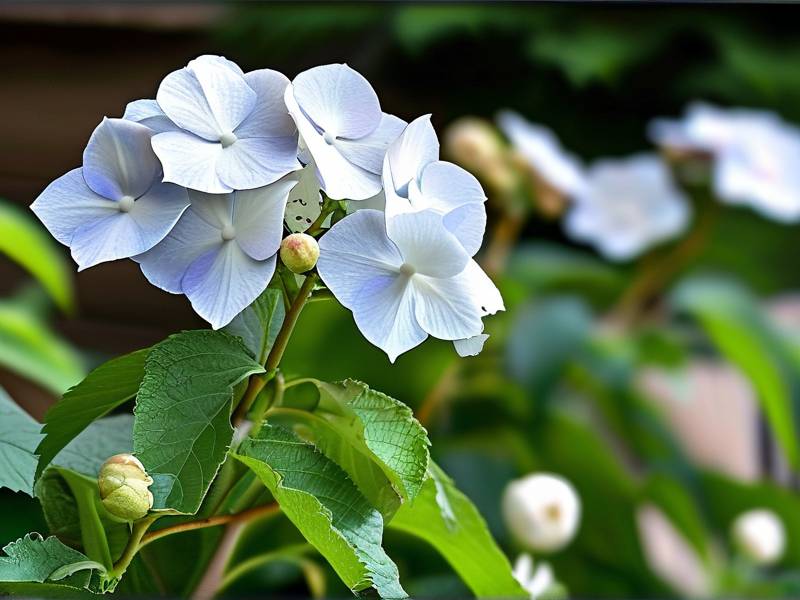
Right now, my hydrangea sits on the porch. The petals are deep blue. Leaves stand firm, even at noon. I feel a quiet pride. Not because I didn’t make mistakes. But because I learned from them. You will too.