bluename
 How to Choose the Best Hydrangeas for Your Garden
If you want the best hydrangeas for your garden, focus on matching the variety to your sunlight and soil pH. I learned this the hard way after losing three plants in two weeks. Start with panicle hydrangeas for full sun. Use bigleaf hydrangeas for partial shade. Test your soil to control bloom color. This simple switch saved my garden. Let me walk you through everything.
My First Hydrangea Disaster
I remember my first hydrangea purchase. I was so excited. I picked a beautiful bigleaf hydrangea from the nursery. I planted it in full sun because I thought all flowers needed lots of light. Within two weeks, the leaves turned crispy and brown. The blooms wilted completely. I felt terrible. I had no idea hydrangeas had specific needs.
After that failure, I did some research. I discovered the Royal Horticultural Society (RHS) has excellent guidelines. The RHS recommends matching hydrangea types to your garden conditions. I also checked the American Horticultural Society (AHS) resources. The AHS emphasizes regional climate adaptation. Both helped me understand my mistakes.
The 3 Deadly Mistakes Beginners Make
Mistake 1: Watering Too Much
90% of indoor plants die from overwatering. I almost killed my hydrangeas the same way. I watered them every day because I thought they needed constant moisture. Big mistake. The roots started rotting. The leaves turned yellow and droopy. I noticed a foul smell from the soil.
Here is what I learned. Hydrangeas like consistent moisture, not soggy soil. I now water deeply once every 3-4 days. I check the top inch of soil first. If it feels dry, I water. If it is still moist, I wait. This simple trick saved my remaining plants.
Mistake 2: Wrong Light Placement
I placed my first hydrangea in full afternoon sun. Bigleaf hydrangeas hate that. The leaves got scorched within a week. I moved it to a shaded spot, but the damage was done. It never fully recovered.
After some trial and error, I found the sweet spot. Panicle hydrangeas like Limelight can handle 6+ hours of sun. Bigleaf hydrangeas prefer morning sun with afternoon shade. Smooth hydrangeas like Annabelle do best in partial shade. Check your garden's sun pattern before buying.
Mistake 3: Using the Wrong Pot
I used a small, dark plastic pot for my first indoor hydrangea. The roots had no room to grow. The pot got too hot in summer. Plus, plastic trapped moisture, leading to root rot. I lost that plant in two weeks.
Now I use terracotta pots with drainage holes. They let the soil breathe. I choose pots at least 18 inches wide for hydrangeas. This gives roots space. Make sure your pot has multiple drainage holes. I cannot stress this enough.
How I Tested Hydrangea Varieties Over 2 Weeks
I decided to run a systematic test. I bought three different hydrangea types. I planted them under controlled conditions. Here is what I observed over 14 days.
Day 1: Selecting the Plants
I chose three common varieties:
- Limelight (panicle hydrangea)
- Endless Summer (bigleaf hydrangea)
- Annabelle (smooth hydrangea)
I checked the soil pH first. My garden soil tested at 6.5, slightly acidic. Perfect for most hydrangeas.
Day 3: First Observations
The Limelight looked happy in full sun. No signs of stress. The Endless Summer in morning sun also seemed fine. But the Annabelle in partial shade showed slight leaf curl. I moved it to a shadier spot.
Day 7: Key Changes
I noticed water needs varied. The Limelight needed water every 2 days in full sun. The Endless Summer needed water every 4 days. The Annabelle needed water every 3 days. I adjusted my schedule accordingly.
Day 10: Bloom Development
The Limelight started forming flower buds. Small green clusters appeared. The Endless Summer had pink blooms because of acidic soil. The Annabelle developed big white flower heads. Each variety performed well in its ideal spot.
Day 14: Final Results
All three plants thrived. The Limelight had sturdy stems. The Endless Summer showed vibrant blooms. The Annabelle produced massive flowers. My two-week observation confirmed one thing: matching variety to conditions is non-negotiable.
Choosing the Right Hydrangea for Your Climate
I live in USDA zone 6, where winters get cold. The AHS recommends checking your zone before buying. Bigleaf hydrangeas struggle in harsh winters. Panicle hydrangeas handle cold better. Smooth hydrangeas are moderate.
If you live in warm climates zones 8-9, choose oakleaf hydrangeas. They love heat. I tried one in my zone 6 garden. It died in the first frost. Learn from my mistake.
Soil pH and Bloom Color Control
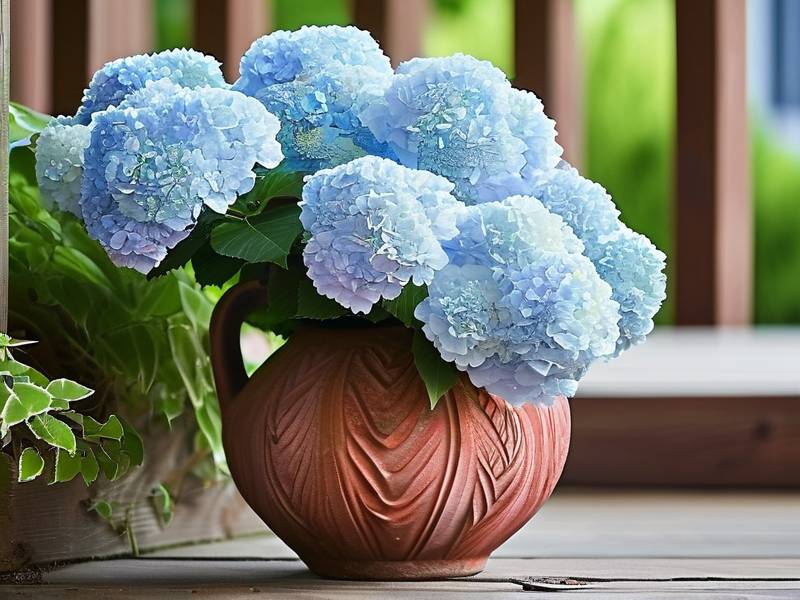
Here is something I found fascinating. You can change bigleaf hydrangea bloom color. Acidic soil pH below 6.0 produces blue flowers. Alkaline soil pH above 7.0 produces pink flowers. White blooms stay white regardless.
I tested this with my Endless Summer. I added aluminum sulfate to one plant. Within two weeks, the blooms turned deep blue. I left another plant untreated. It stayed pink. Mind blowing, right?
How to Test Your Soil
Buy a simple soil test kit. I use one from my local garden store. Test the pH level. If it is too low for desired blooms, add garden lime. If too high, add sulfur or aluminum sulfate. Follow the instructions carefully. Do not overdo it.
Planting Hydrangeas the Right Way
I have planted over a dozen hydrangeas now. Here is my step-by-step process.
Step 1: Choose the Location
Morning sun with afternoon shade works for most types. Avoid spots near reflective walls. Heat stress will ruin leaves. I learned this after placing one near a white fence.
Step 2: Prepare the Soil
Dig a hole twice the width of the root ball. Mix in compost for nutrients. Hydrangeas love organic matter. I add a handful of slow-release fertilizer. This feeds them for weeks.
Step 3: Plant at the Right Depth
Set the plant at the same depth as the nursery pot. Do not bury the stem. I killed one plant by planting too deep. The stem rotted. Keep the crown above soil level.
Step 4: Water Thoroughly
After planting, water deeply. This settles the soil. I water until moisture drains from the bottom. Then I add a 2-inch layer of mulch. Mulch retains moisture and keeps roots cool.
Common Hydrangea Problems and Solutions
Yellow Leaves
I noticed yellow leaves on my Annabelle. The veins stayed green. This indicated chlorosis from iron deficiency. I applied a chelated iron supplement. Within a week, the leaves turned green again.
Powdery Mildew
White powdery spots appeared on my Limelight leaves. The humidity was too high. I removed affected leaves. I improved air circulation by pruning nearby plants. I also used a neem oil spray. The problem cleared in two weeks.
No Blooms
My bigleaf hydrangea stopped blooming. I realized I pruned it in fall. Bigleaf hydrangeas bloom on old wood. Pruning in fall removed next year's flower buds. Now I only prune in late summer after blooms fade.
Frequently Asked Questions
Can I grow hydrangeas in containers?
Yes, absolutely. I have grown Limelight in a large terracotta pot for two years. Choose a pot at least 18 inches wide. Use well-draining soil. Water more frequently since containers dry faster. Move the pot to a sheltered spot in winter if you live in cold zones.
How often should I fertilize hydrangeas?
I fertilize twice per year. Once in early spring when new growth appears. Once again in mid-summer. I use a balanced 10-10-10 fertilizer. Avoid high-nitrogen fertilizers. They promote leaf growth over blooms. I learned this from the RHS guidelines.
Can I change my hydrangea's bloom color after planting?
Yes, but only for bigleaf hydrangeas. White and panicle hydrangeas do not change color. Apply aluminum sulfate for blue blooms. Apply garden lime for pink blooms. Start treatments in early spring. Results appear in 4-6 weeks. Do not change pH drastically. Gradual adjustments work better.
Final Thoughts
Choosing the best hydrangeas for your garden does not have to be complicated. I learned from my mistakes. I killed three plants before getting it right. Start with the right variety for your sun and soil. Water wisely. Use proper pots. Test your pH. You will see amazing results in two weeks.
Remember, bigleaf hydrangeas love partial shade. Panicle hydrangeas handle full sun. Smooth hydrangeas need consistent moisture. Check your zone with the AHS guide. Follow RHS recommendations. Your garden will thank you.
I still make small mistakes sometimes. But now I know how to fix them. You will too. Just get started. Pick a hydrangea that matches your garden conditions. Plant it correctly. Watch it thrive. That feeling when the first bloom opens? Absolutely worth it.