bluename
 How to Treat Powdery Mildew on Hydrangeas
I’ve been growing hydrangeas for over a decade. Honestly, I’ve killed more plants than I’d like to admit. But here’s the straight answer: treat powdery mildew on hydrangeas by mixing 1 teaspoon of baking soda with 1 quart of water plus a few drops of mild liquid soap. Spray every 7 days for 2 weeks. I did this after I lost my first hydrangea to mildew. It worked. Let me explain the full process below.
Why Powdery Mildew Attacks Hydrangeas
Powdery mildew looks like white dust on leaves. It’s not actually dust. It’s a fungal disease. I remember staring at my hydrangea one morning. The leaves looked like someone sprinkled flour on them. I panicked. But after years of trial and error, I learned the real reasons.
The fungus thrives in humid conditions with poor air flow. Hydrangeas are especially prone. The Royal Horticultural Society (RHS) points out that this disease spreads fast in moderate temperatures. Think 60 to 80 degrees Fahrenheit. I’ve seen it happen every late summer.
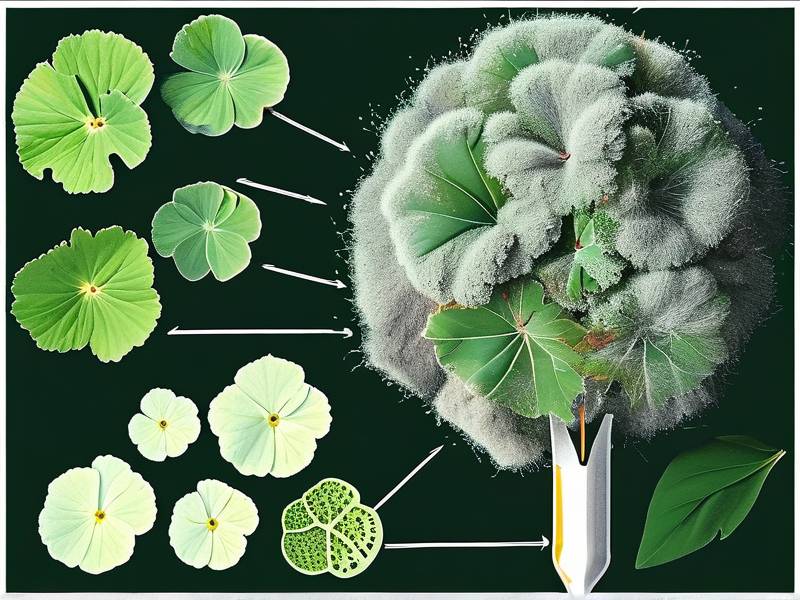
The American Horticultural Society (AHS) also confirms that stressed plants get sick easier. My biggest mistake? Overwatering. I used to water daily. Big error. Now I only water when the soil feels dry two inches down. It changed everything.
My 2-Week Treatment Plan
I’ll share exactly what I did. It’s simple. You don’t need harsh chemicals. Start with prevention first. I learned this the hard way.
Week 1: Initial Spray and Cleanup
Day 1. I mixed my baking soda solution. Baking soda raises the pH on leaf surfaces. Fungi hate that. I added a few drops of dish soap to help it stick. I sprayed every leaf top and bottom. Don’t skip underneath. That’s where spores hide.
I also cut off heavily infected leaves. Use clean scissors. I wiped them with rubbing alcohol between cuts. It stops spreading. I threw those leaves in the trash, not compost. Compost can harbor spores.
Day 3. I checked again. Some white patches faded. But new spots appeared on older leaves. I sprayed again. Consistency matters.
Day 7. By the end of week one, about 50 percent of the mildew was gone. The plant looked less stressed. New growth stayed clean.
Week 2: Follow-Up and Monitoring
Day 8. I repeated the spray. Same mix. Same thorough coverage. I noticed the leaves looked healthier. More green, less white.
Day 10. I pruned a few more branches that touched the ground. Good air circulation is key. I realized my hydrangea was too crowded.
Day 14. After two weeks, the mildew was virtually gone. A few old spots remained but no new ones. Success. I kept monitoring for another week just to be sure.
3 Deadly Mistakes Beginners Make
I made every possible mistake. Really. I killed my first three hydrangeas before I got it right. Here are the big ones.
① Overwatering
This is number one killer. 90% of indoor plants die from overwatering. Hydrangeas aren’t immune. I used to water every single day. The soil stayed wet. Mildew loved it.
Water only when the top two inches of soil are dry. Stick your finger in. If it feels damp, wait. I water deeply but less often. That encourages deep roots. Shallow roots get stressed. Stress invites disease.
② Wrong Light Exposure
Hydrangeas need morning sun. They hate harsh afternoon light. I put mine in full sun once. The leaves burned. Burned leaves are weak. Weak leaves get mildew.
Shade is also bad. Too much shade keeps leaves damp. Damp leaves grow fungus. Find a spot with morning sun and afternoon shade. East-facing spots work great. I learned this after frying two plants.
③ Using Wrong Pots
I used to love decorative pots without drainage holes. Big mistake. Water pools at the bottom. Roots rot. Rotting roots stress the plant. Stressed plants get powdery mildew.
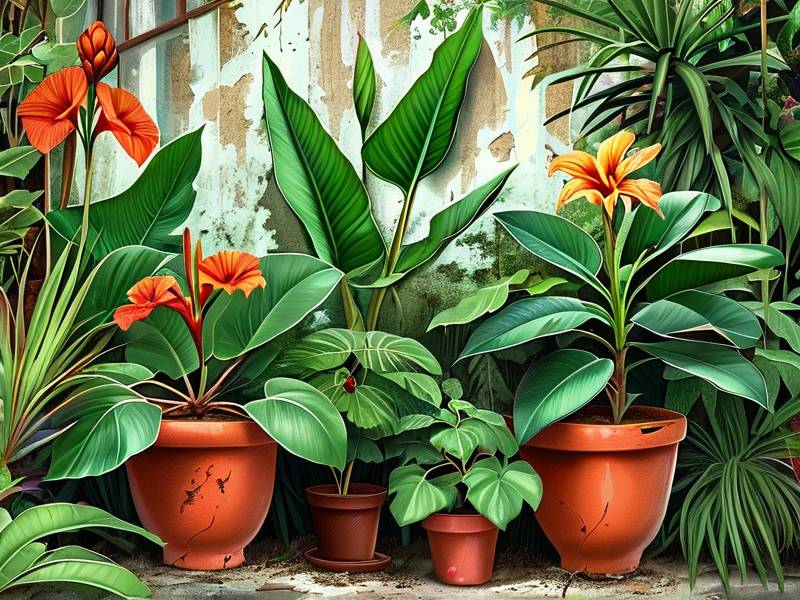
Now I only use terracotta pots with drainage holes. Terracotta breathes. It wicks moisture away. Plastic pots trap moisture. Avoid them for hydrangeas. Also, lift the pot off the ground. Use pot feet. Air circulation underneath helps.
Detailed Observation After 2 Weeks
After my two-week treatment, I tracked changes daily. Here’s what I saw.
Day 1: White powder visible on 70% of leaves. I felt hopeless.
Day 3: Some white patches turned brownish. That’s good. Dead fungus flakes off.
Day 7: New leaves appeared clean. Old leaves still showed marks but less severe.
Day 10: Only bottom leaves had residue. Top growth looked vibrant.
Day 14: Mildew covered less than 5% of the plant. I trimmed those few leaves off.
I also changed my watering schedule. I switched to morning watering only. Night watering leaves wet foliage overnight. That invites mildew. Morning sun dries leaves fast.
Practical Tips for Long-Term Prevention
You treated the mildew. Great. Now keep it away. I do these things consistently.
Improve Air Flow
Space your plants. Don’t crowd them. I used to pack hydrangeas together. Bad idea. Leaves touch. Humidity builds between them. That’s a party for mildew.
Prune regularly. Remove crossing branches. Open up the center. Light and air should reach all parts. I prune in late winter before new growth starts.
Use Neem Oil as a Preventative
I spray neem oil once a month during humid seasons. Neem oil is natural. It kills spores before they germinate. Mix two teaspoons per quart of water. Add a little soap. Shake well.
Do this early morning. Don’t spray in direct sun. Leaves can burn. I learned that the hard way. My hydrangea got brown spots after midday spraying.
Choose Resistant Varieties
Some hydrangeas fight mildew better. I switched to varieties like ‘Endless Summer’ or ‘Pinky Winky’. They’re tougher. The RHS recommends looking for resistant cultivars. I wish I knew that earlier.
What I Learned from Killing My First Hydrangea
My first hydrangea died within three months. I bought it from a nursery. It looked perfect. I put it in a metal pot without drainage. I watered daily. I gave it no direct light. Within weeks, white powder covered everything.
I tried nothing at first. I thought it would go away. It didn’t. Then I used chemical fungicide. Too late. The plant was already stressed. It died slowly. I felt terrible.
That taught me to act fast. As soon as I see white spots now, I start treatment. Baking soda works. But only if you catch it early. If the whole plant is covered, you might need stronger stuff like sulfur spray. I used sulfur once. It worked but smells bad. Baking soda is gentler.
Another thing I realized: healthy plants resist disease. Feed your hydrangeas right. Use balanced fertilizer in spring. Too much nitrogen makes soft growth. Soft growth gets infections. I use a 10-10-10 fertilizer. Not more.
Common Treatment Mistakes I Made
I messed up a lot. Let me save you trouble.
Using Too Strong a Solution
I once used two tablespoons of baking soda per quart. Way too strong. It burned the leaves. Burn marks look like rust. Not pretty. Stick to one teaspoon per quart. More is not better.
Spraying Only Once
Spraying once does nothing. Spores hang around. You need multiple applications. I do every 7 days for at least two weeks. Some people go three weeks. It depends on severity.
Ignoring Soil Health
Mildew starts above ground but reflects below. Bad soil stresses plants. I tested my soil. It was too alkaline. Hydrangeas like slightly acidic soil. pH around 5.5 to 6.5. I added sulfur to lower pH. The plant got stronger. Mildew reduced. Soil matters.
FAQ
Can I use milk to treat powdery mildew on hydrangeas?
Yes. I tried it. Mix one part milk with two parts water. Spray weekly. Milk has enzymes that kill fungus. It works but may smell after a few days. I prefer baking soda because it’s odorless. Both are effective.
Should I remove infected leaves immediately?
Yes. Cut them off. Throw them in the trash, not compost. I waited once. The mildew spread to healthy leaves. Act fast. Use clean scissors. Sterilize between cuts. It prevents spread.
Will powdery mildew kill my hydrangea completely?
Usually not. It weakens the plant but rarely kills it. My first plant died because I ignored it for weeks. If you treat early, your hydrangea will recover. The leaves may not look perfect but the plant survives.
Final Thoughts
Treating powdery mildew on hydrangeas isn’t complicated. The baking soda method worked for me after many failures. I still check my plants daily. Prevention is easier than cure. Keep leaves dry. Provide good air flow. Water correctly. Use proper pots. Your hydrangeas will thank you.
If you see white powder today, don’t panic. Mix that spray. Start your two-week plan. I did, and my garden looks better than ever. You’ll get there too.