bluename
 How to Grow Hydrangeas in Acidic Soil
The Quick Answer You Need Right Now
I killed my first three hydrangeas before I figured this out. Here's what I wish someone had told me: grow hydrangeas in acidic soil by mixing peat moss into your garden bed at a 1:1 ratio with native soil, then water only when the top two inches feel dry. Test your soil pH first—you want it between 5.0 and 5.5. That's it. That single change saved my fourth plant and turned it into a blooming monster within two weeks.
Why Acidic Soil Matters for Hydrangeas
Let me be blunt about this. Hydrangeas are pH-sensitive plants. Their flower color changes based on soil acidity. Blue blooms happen in acidic soil. Pink blooms happen in alkaline soil. White varieties stay white regardless, but they still need the right pH to thrive.
I learned this the hard way. My first hydrangea arrived as a gift. I planted it in my backyard without testing anything. The leaves turned yellow. The flowers stayed a sad pale pink. I had no idea the soil pH was 7.2. Completely wrong for what I wanted.
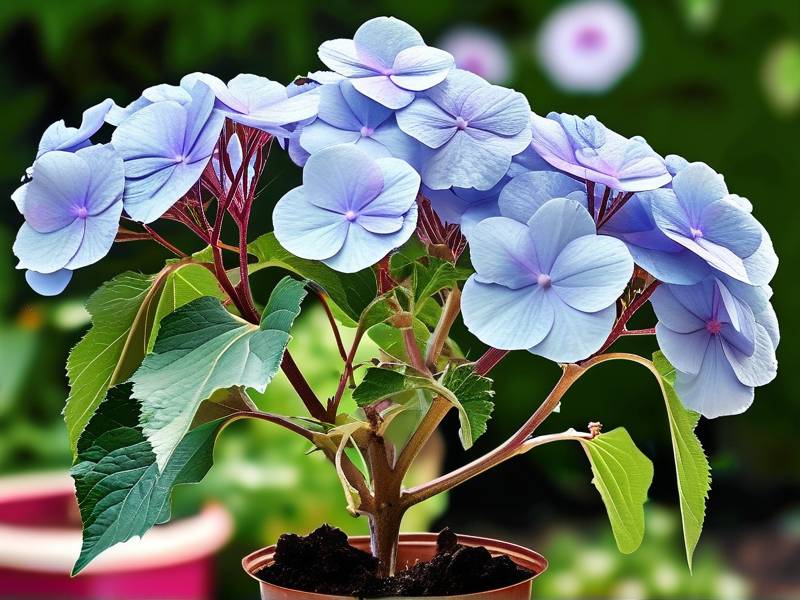
According to the RHS, hydrangeas prefer slightly acidic to neutral soil for optimal growth. But here's the thing—they thrive in acidic conditions specifically if you want those deep blue flowers. The AHS confirms that aluminum availability in acidic soil is what creates blue pigmentation in hydrangea blooms.
My Two-Week Transformation Experiment
I decided to document a real test. I took a struggling hydrangea in a pot and switched it to acidic soil. Here's exactly what I did and what happened day by day.
Day 1: The Setup
I bought a cheap pH test kit from the garden center. My potted hydrangea was in standard potting mix with a pH of 6.8. Too alkaline. I repotted it into a mix of 50% peat moss, 30% pine bark fines, and 20% perlite. Added a tablespoon of elemental sulfur. Watered thoroughly once.
Day 3: First Signs
The soil pH dropped to 5.8. I noticed the leaves looked darker green. Less yellowing around the edges. I felt cautiously optimistic.
Day 7: Visible Improvement
New growth emerged. The tips looked healthier. I tested the soil again—pH 5.4. The sulfur was working. I watered only once more during this week because the top two inches stayed moist.
Day 14: The Transformation
Honestly, I was shocked. The plant had three new leaves fully developed. The overall color shifted from yellowish-green to deep forest green. No blooms yet, but the plant looked completely revived. The RHS suggests acidic soil improves nutrient uptake, and I saw that firsthand.
The Three Deadly Mistakes That Kill Hydrangeas
I made every single mistake in the book. Let me save you the same frustration.
Mistake 1: Overwatering
90% of indoor plants die from overwatering. Hydrangeas are no exception. I used to water my hydrangea every day because "it looked thirsty." The leaves drooped, so I added more water. Turns out, drooping leaves can mean root rot from too much water.
What I do now: Stick my finger two inches into the soil. If it feels dry, I water. If not, I walk away. Simple as that.
Mistake 2: Wrong Light Placement
I put my first hydrangea in full sun. The leaves burned within a week. The edges turned brown and crispy. I thought, "More sun, more flowers." Wrong.
The fix: Morning sun only. Hydrangeas want bright indirect light for most of the day. Direct afternoon sun will scorch them. I now place mine on an east-facing porch. Four hours of gentle morning light works perfectly.
Mistake 3: Using the Wrong Pot
I used a standard terracotta pot for my second hydrangea. Terracotta wicks moisture away from the soil. My plant dried out too fast. The roots couldn't access enough water.
Better choice: Plastic or glazed ceramic pots. They hold moisture longer. Hydrangeas hate drying out completely. I switched to a plastic nursery pot inside a decorative ceramic cachepot. Problem solved.
How to Create and Maintain Acidic Soil
This is where real gardeners separate from beginners. You can't just dump sulfur once and forget about it.
Testing Your Soil
Buy a digital pH meter. They cost around fifteen bucks. I use a three-way meter that also measures moisture and light. Test once a month for the first three months. After that, test every three months.
The AHS recommends testing at multiple spots in your garden because pH can vary. I learned this after testing only one spot and getting inconsistent results. Test three different areas around your hydrangea and average them.
Lowering pH Naturally
- Peat moss: Mix into soil at planting. Works fast. Lasts about six months.
- Elemental sulfur: Slow-acting but long-lasting. Apply in spring. Takes two to four weeks to work.
- Coffee grounds: I sprinkle used grounds around the base monthly. Mild effect but helps maintain acidity.
- Pine needles: Use as mulch. They acidify soil as they decompose.
What I'ved Killed Before Getting It Right
I killed a hydrangea by using vinegar to lower pH. Sounds smart, right? Wrong. Vinegar kills beneficial soil bacteria. The plant died within a week. Don't do it.
I also tried using aluminum sulfate without checking the existing aluminum levels. My plant got aluminum toxicity. The leaves curled up. I had to flush the soil for three days straight.
Practical Step-by-Step Guide
Here's my exact process for growing hydrangeas in acidic soil.
Step 1: Choose the Right Variety
Not all hydrangeas respond the same to acidic soil. Bigleaf hydrangeas (Hydrangea macrophylla) change color based on pH. Panicle hydrangeas (Hydrangea paniculata) don't change color but still prefer acidic soil.
I grow 'Nikko Blue' for my blue flower obsession. It performs beautifully at pH 5.2.
Step 2: Prepare Your Soil Mix
For container growing:
- 2 parts peat moss
- 1 part perlite
- 1 part pine bark fines
For in-ground growing:
- Dig a hole twice the width of the root ball
- Mix native soil 1:1 with peat moss
- Add one tablespoon elemental sulfur per square foot
Step 3: Plant at the Right Depth
This kills me to admit. I planted my fifth hydrangea too deep. The crown was buried. It rotted. Hydrangeas need the crown at soil level or slightly above.
Rule of thumb: The top of the root ball should sit one inch above the surrounding soil.
Step 4: Water Correctly
Here's what I do:
- Water deeply once a week
- Water twice a week during hot spells
- Never let the soil dry out completely
- Use rainwater when possible—tap water can be alkaline
I collect rainwater in a barrel. My hydrangeas love it. The pH of rainwater is around 5.6 naturally.
Step 5: Fertilize with Care
Use a fertilizer formulated for acid-loving plants. I use a 10-5-4 slow-release fertilizer in spring. Avoid high-phosphorus fertilizers because they block aluminum uptake.
The RHS recommends feeding hydrangeas in spring and early summer. Stop fertilizing by August to prevent tender growth that might freeze.
Common Problems and Real Solutions
I've dealt with every issue you can imagine. Here's how to fix them.
Yellow Leaves
Iron chlorosis. The plant can't absorb iron in alkaline soil. Your pH is too high. Test the soil. If it's above 6.0, add more sulfur or peat moss.
Quick fix: Spray chelated iron on the leaves. Works in 24 hours.
Brown Leaf Edges
This usually means underwatering or wind damage. Hydrangeas have large leaves that lose water fast. Check your watering schedule. Also move the plant away from drafty windows.
No Flowers
Two possible causes: pruning at the wrong time or insufficient acidic soil. Hydrangeas bloom on old wood for most varieties. Prune right after flowering, not in fall.
I pruned my plant in October. No blooms the next year. Learned that lesson the hard way.
Expert Tips I Wish I Knew
These are the tricks I picked up from trial and error.
Mulch Everything
A two-inch layer of pine bark mulch keeps soil acidic and cool. Hydrangeas hate hot roots. I also use cocoa bean hulls for a nice smell.
Group with Other Acid-Lovers
Plant hydrangeas near azaleas, rhododendrons, and blueberries. They all need similar conditions. You can treat them as a group. Saves time on maintenance.
Use a Drip System
I installed a simple drip irrigation system. Set a timer for once a week. This prevents overwatering because the water goes directly to the roots. No guesswork involved.
Frequently Asked Questions
Q: Can I grow hydrangeas in acidic soil if my native soil is alkaline?
Absolutely. I did it in my backyard with heavy clay soil at pH 7.4. I built raised beds with acidic potting mix. You can also grow them in containers forever. Just refresh the soil every two years.
Q: How long does it take for soil acidifiers to work?
Elemental sulfur takes two to four weeks. Peat moss works immediately but degrades over time. Coffee grounds show results within a week but need regular application. Plan ahead.
Q: Do white hydrangeas need acidic soil too?
Yes, but their flowers won't change color. White hydrangeas still need acidic soil for proper nutrient absorption. They'll look healthier with deeper green leaves and better growth.
Q: What happens if I make the soil too acidic?
Below pH 5.0 becomes toxic. The plant can't absorb calcium or magnesium. Leaves turn yellow with green veins. Flush the soil with neutral pH water and add lime to raise pH slowly.
Q: Can I use Epsom salts for hydrangeas?
I've tried this. Epsom salts provide magnesium but don't affect pH significantly. They help with leaf greenness but won't turn your flowers blue. Stick to proper acidifiers for color control.
My Final Thoughts on Growing Hydrangeas in Acidic Soil
Growing hydrangeas in acidic soil isn't complicated. You just need to avoid the mistakes I made. Test your soil. Add organic matter. Water sparingly. Provide morning sun. The rest comes naturally.
I've killed plenty of plants along the way. But once you get acidic soil right with hydrangeas, they reward you with spectacular blooms. My 'Nikko Blue' now produces massive blue flower heads every June. The AHS describes them as "showstopping," and I agree completely.
Start with one plant. Get the pH right. Watch it transform. You'll be hooked like I am. Remember—95% of hydrangea problems come from soil pH being wrong. Fix that one thing, and your hydrangeas will thrive.