bluename
 How to Care for Epiphyllum - Large Colorful Blooms No Flower Drop Care Secrets
Have you ever eagerly awaited the spectacular, short-lived bloom of your Epiphyllum, only to watch in disappointment as the promising buds turn yellow and drop before they can open? Or perhaps your plant grows lush green stems but stubbornly refuses to produce any flowers at all. You are not alone. Bud drop and lack of flowering are the most common and frustrating challenges faced by Epiphyllum growers. The secret to unlocking those large, colorful, and persistent blooms lies not in a single magic trick, but in understanding and perfectly balancing a few critical aspects of care. This guide will demystify the process, providing you with clear, actionable steps to transform your Epiphyllum into a reliable bloomer that holds onto its magnificent flowers.
Understanding Your Epiphyllum: The "Orchid Cactus"
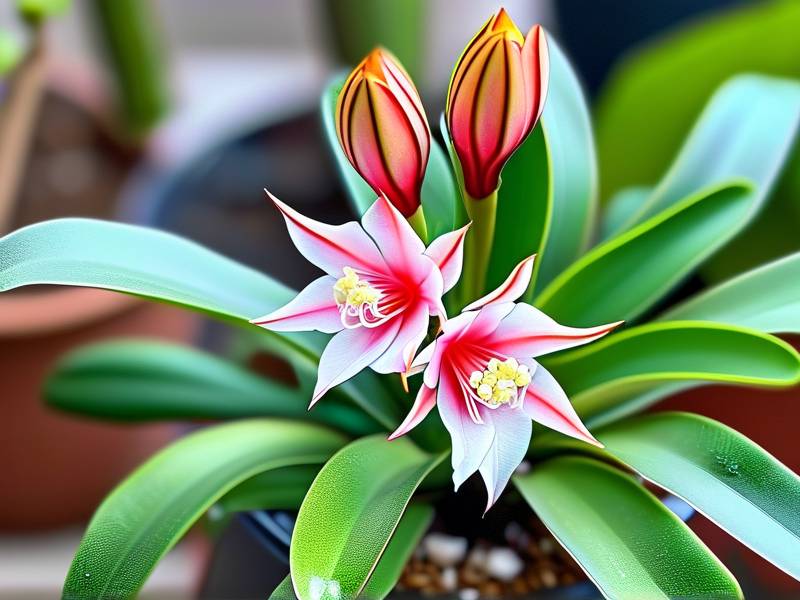
Epiphyllum, often called the orchid cactus, is a genus of epiphytic cacti native to the jungles of Central and South America. Unlike their desert cousins, they grow on trees, absorbing moisture and nutrients from the air and organic matter around them. This origin is the key to their care: they crave bright, indirect light, high humidity, and a well-draining yet moisture-retentive growing medium. Their flowers are legendary—large, often fragrant, and breathtakingly beautiful, but they typically only open for one night. The goal is to get them to that point successfully.
The Four Pillars of Epiphyllum Care for Spectacular Blooms
To achieve consistent, non-dropping blooms, you must master four interconnected pillars: Light, Watering and Soil, Temperature and Dormancy, and Feeding.
Perfect Light Exposure for Flower Initiation
Light is the primary trigger for Epiphyllum to set flower buds. However, it's a specific type of light.
- Bright, Indirect Light is Non-Negotiable: Your Epiphyllum needs several hours of bright, filtered sunlight daily. An east-facing window is ideal. A shaded south or west window can also work. Direct afternoon sun, especially through glass, can scorch the flat, leaf-like stems.
- The Seasonal Shift for Flowering: To encourage bud formation, many experts, including those at the American Horticultural Society (AHS), recommend a period of slightly reduced light in late winter to early spring. This mimics the plant's natural conditions and signals it to start the flowering process. Move it to a spot with bright light but no direct sun for 6-8 weeks.
- Signs of Incorrect Light: Leggy, thin, pale green growth indicates too little light. Yellow or bleached, crispy patches mean too much direct sun.
Watering Wisdom and the Ideal Soil Mix
This is where most bud drop problems originate. Epiphyllum roots are sensitive and prone to rot.
- The Golden Rule: "Soak and Dry." Water thoroughly until water runs freely from the drainage holes. Then, allow the top third to half of the potting mix to dry out completely before watering again. The frequency will vary with season, temperature, and pot size.
- Seasonal Watering Adjustments: Water most actively during spring and summer growth periods. Reduce watering significantly in fall and winter when growth slows. A slightly drier period in late winter supports bud set.
- The Critical Soil Recipe: Standard potting soil is a death sentence. You need an exceptionally well-draining, aerated, and slightly acidic mix. A proven recipe is: 1 part high-quality potting soil, 1 part orchid bark (for aeration), 1 part perlite or pumice (for drainage), and a handful of horticultural charcoal. This mix prevents waterlogging, providing the "moist but not wet" environment the roots adore.
- Link to Bud Drop: Overwatering, especially in a dense soil, causes root rot. A compromised root system cannot support developing buds, leading directly to bud drop. Underwatering causes stress, which can also cause buds to abort.
Temperature, Humidity, and the Essential Dormant Period
Epiphyllums need a seasonal cycle to thrive and bloom.
- Day/Night Temperature Differential: A noticeable drop in temperature at night (a 10-15°F difference) in the spring and fall is a powerful bloom trigger. If possible, provide cooler nights (around 55-65°F) during the bud formation period.
- The Importance of Winter Rest: After the growing season, Epiphyllums benefit from a cooler, drier rest period. Maintain temperatures around 50-55°F and reduce watering as mentioned. This dormancy allows the plant to rest and gather energy for the next bloom cycle. The Royal Horticultural Society (RHS) notes that a distinct period of rest is crucial for many seasonal bloomers, including cacti and succulents.
- Humidity: As jungle plants, they appreciate moderate to high humidity (40-60%). Use a pebble tray or a room humidifier, especially in dry, heated homes. Good humidity keeps stems plump and healthy.
Strategic Fertilization for Strong Growth and Flowers
You cannot force-feed an Epiphyllum into blooming, but you can support it with the right nutrients.
- Balanced, Low-Strength Feeding: During the active growing season (spring and summer), feed every 4-6 weeks with a balanced, water-soluble fertilizer (like a 10-10-10 or 5-5-5), diluted to half strength.
- The Bloom Booster Formula: As you see the first signs of bud formation, switch to a fertilizer higher in phosphorus (the middle number, e.g., 5-10-5) to support flower development. Continue at half strength.
- When to Stop: Cease all fertilization during the late fall and winter dormant period. Fertilizing then can lead to weak, spindly growth and hinder flowering.
Advanced Care Tips for Maximum Flower Power
Mastering Epiphyllum Propagation for More Blooms Propagating your Epiphyllum is simple and rewarding. Take a healthy, mature stem segment (about 6-8 inches long) and let the cut end callous over for 5-7 days. Plant it in your well-draining mix, barely moisten the soil, and wait for roots to develop. A new plant will mature and bloom in a few years. This is a great way to share plants and increase your chances of a floral display.
Preventing Pest Problems Naturally Healthy Epiphyllums are relatively pest-resistant. Mealybugs and scale are the main concerns. Isolate new plants. If pests appear, wipe stems with a cotton swab dipped in rubbing alcohol or apply insecticidal soap. Good air circulation helps prevent fungal issues.
Solving Common Epiphyllum Problems
- Yellowing Stems: Usually a sign of overwatering, poor drainage, or too much direct sun.
- Red or Purple Tinges: Often a reaction to bright light or cool temperatures, not necessarily harmful.
- Wrinkled, Limp Stems: A clear cry for water. Soak the pot thoroughly.
- No Flowers? Revisit the four pillars. The most common culprits are insufficient light (especially the seasonal trigger), lack of a winter rest period, over-fertilizing with nitrogen, or a plant that is still too young.
Frequently Asked Questions
Why are the buds on my Epiphyllum turning yellow and falling off? This is almost always related to an environmental change or root stress after the buds have formed. The top causes are a sudden shift in location (light/temperature), overwatering or underwatering, or dry air drafts. Once buds are visible, try to keep the plant's environment as stable as possible and be meticulous with your watering routine.
How long does it take for an Epiphyllum to bloom? A plant grown from a cutting typically needs 3 to 5 years to reach blooming maturity. The blooms themselves are nocturnal, opening after dusk and wilting by mid-morning the next day. The flowering season is generally spring through summer.
Can I make my Epiphyllum bloom more than once a year? While a mature, healthy plant may produce multiple flushes of blooms in a season, you cannot force more than its natural cycle. Consistent care across all seasons—providing the right light, a proper dormant period, and correct feeding—is the best way to encourage your plant to produce its maximum number of flowers each year.
Caring for an Epiphyllum is a lesson in patience and attentiveness. By replicating the key elements of its native habitat—dappled light, a careful wet-dry cycle in porous soil, seasonal temperature cues, and gentle nutrition—you move from simply keeping the plant alive to actively partnering with it to produce one of nature's most stunning floral displays. The moment you see those large, colorful blooms open, held firmly on a healthy plant, you'll know every careful step was worth it. Start by assessing your plant's light and soil, and you'll be on the path to becoming an Epiphyllum bloom expert.