bluename
 How to Care for Epiphyllum Oxypetalum - Proper Care Multiple Blooms a Year Essentials
You've waited all year, checking your Epiphyllum oxypetalum nightly, only to miss its spectacular, fragrant bloom by a few hours. It’s a common frustration for owners of this "Queen of the Night." The fleeting nature of its flowers can feel like a cruel trick. But what if you could not only reliably witness its magical display but also encourage multiple blooming cycles throughout the year? Achieving multiple blooms a year is entirely possible with a tailored care regimen that mimics the plant's natural epiphytic habitat and seasonal rhythms. This guide will walk you through the essential steps, transforming your care routine from hopeful guessing into a science for success.
Understanding Your Epiphyllum Oxypetalum
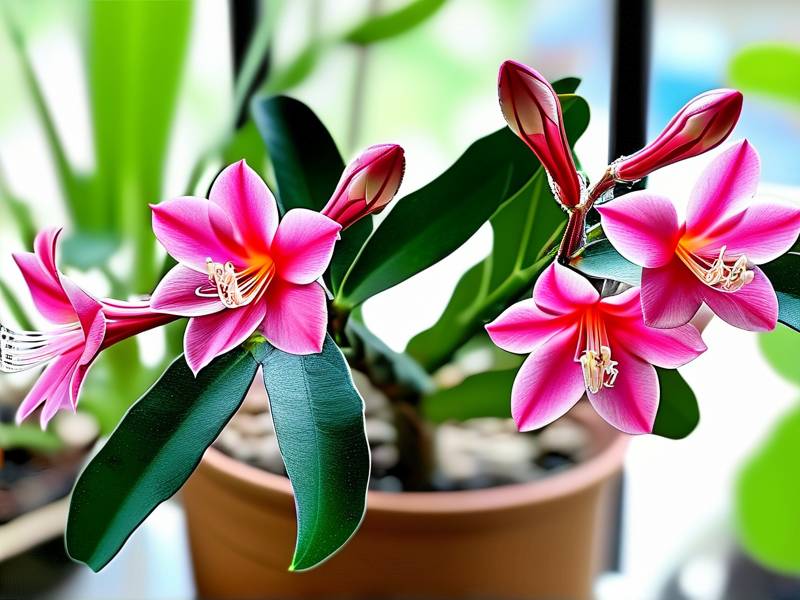
Often called the Dutchman's pipe cactus or night-blooming cereus, Epiphyllum oxypetalum is an epiphytic cactus. This means it naturally grows on trees in tropical forests, drawing moisture and nutrients from the air and organic matter around its roots, not from deep soil. This key fact informs every aspect of its proper care. Its stunning, dinner-plate-sized white flowers are famously nocturnal, opening after dusk and wilting by dawn, filling the air with an intense, sweet fragrance. The goal of proper care is to support robust, healthy stems that have the energy to produce these breathtaking flowers repeatedly.
The Core Essentials for Proper Care and Multiple Blooms
The journey to multiple blooms a year hinges on mastering four interconnected pillars: light, watering, feeding, and seasonal dormancy. Neglecting any one can halt flower production.
Perfecting the Light Equation
Light is the primary engine for growth and blooming. However, "bright light" doesn't mean the harsh, direct afternoon sun that a desert cactus craves.
- Ideal Conditions: Provide very bright, but indirect or filtered light. An east-facing window is perfect, offering gentle morning sun. A shaded south or west window (behind a sheer curtain) also works well. Direct hot sun will scorch the flat, leaf-like stems, leaving permanent yellow or brown marks.
- Promoting Flower Buds: To initiate the bud formation crucial for multiple blooms a year, your plant needs a clear signal. This often comes from seasonal changes in light. As days lengthen in spring, the increased light triggers the growth cycle. Some experts, like those at the American Horticultural Society (AHS), note that many tropical epiphytes respond to consistent, high-quality indirect light paired with slight temperature drops to set buds.
The Art of Watering: Moist but Never Soggy
This is where many enthusiasts falter. Remember its epiphytic roots—they need air as much as they need moisture.
- The Golden Rule: Water deeply and thoroughly, then allow the top third to half of the potting mix to dry out completely before watering again. In warm, bright growing seasons (spring and summer), this may be weekly. In cooler, dimmer months, it may be every 3-4 weeks.
- Technique: Use room-temperature water and water until it flows freely from the drainage holes. Never let the plant sit in a saucer of standing water. Root rot from overwatering is the fastest way to kill an Epiphyllum and destroy any chance of blooms.
- Humidity: While they appreciate moderate humidity (40-50%), good air circulation is more critical than misting, which can promote fungal issues on the stems. A pebble tray can provide ambient humidity.
Feeding for Fabulous Flowers
A hungry plant won't bloom. Your Epiphyllum requires specific nutrients to fuel the enormous energy expenditure of creating flowers.
- Fertilizer Type: Use a balanced, water-soluble fertilizer formulated for blooming plants or cacti/succulents. Look for a formula with a slightly higher phosphorus content (the middle number in N-P-K, e.g., 5-10-5) to promote bud development.
- Feeding Schedule: During the active growing season (spring and summer), feed every 4-6 weeks at half the recommended strength. Stop all fertilizing in late fall and winter during the plant's essential rest period. Over-fertilizing, especially with high-nitrogen formulas, will produce lush green stems at the expense of flowers.
The Critical Role of Seasonal Rest and Temperature
This is the most overlooked secret to triggering multiple blooms a year. Your plant needs an annual vacation.
- The Dormancy Period: In late fall and winter, reduce watering significantly and stop fertilizing. Place the plant in a cooler spot (ideally 50-60°F / 10-15°C) where it still receives bright, indirect light.
- Why This Works: This cooler, drier rest period mimics its natural habitat's subtle seasonal shifts. It allows the plant to halt vegetative growth and consolidate energy. When you gradually return it to warmer conditions and resume regular watering in early spring, this stored energy is often released in a flush of flower buds. The Royal Horticultural Society (RHS) emphasizes the importance of a distinct rest period for many flowering houseplants, including epiphytic cacti, to achieve reliable blooming.
Potting Mix and Container Fundamentals
The right foundation is non-negotiable for healthy roots, which are the foundation for blooms.
- The Ideal Mix: Use an exceptionally well-draining, airy potting medium. A commercial cactus/succulent mix is a good start, but for optimal epiphyllum care, amend it with extra perlite, orchid bark, or pumice (up to 50%). This ensures quick drainage and prevents compaction.
- Pot Choice: Always use a pot with ample drainage holes. Terracotta pots are excellent as they are porous and help wick away excess moisture. Repot only when the plant is root-bound, typically every 2-3 years, and only go up one pot size (1-2 inches larger in diameter).
Encouraging Your Plant to Bloom Multiple Times
Once you've mastered the basics, you can employ advanced tactics to encourage more than one flowering event.
- Post-Bloom Care: After a flowering cycle, continue with consistent care—bright light, careful watering, and monthly feeding. A healthy plant may produce secondary flushes from other mature stems later in the same season.
- Stress as a Trigger: Slight, controlled stress can signal the plant to reproduce (bloom). The winter cool-down is one form of this. Some growers find that allowing the plant to become slightly more root-bound than usual, or providing a slight reduction in water (not drought) after a period of strong growth, can stimulate bud formation.
- Maturity Matters: Young plants rarely bloom. Focus on cultivating strong, mature stems. Blooms typically emerge from the notches (areoles) on the edges of healthy, established stems that are at least two years old.
Troubleshooting: Why Isn't My Epiphyllum Oxypetalum Blooming?
- Too Much Nitrogen: This leads to all leaves, no flowers. Switch to a bloom-booster fertilizer.
- Insufficient Light: This is the number one cause. Without enough bright, indirect light, the plant lacks the energy to produce buds.
- No Dormancy Period: Constant warm, wet conditions keep the plant in vegetative growth mode. Implement a winter rest.
- Overwatering or Poor Drainage: This stresses the roots, and a struggling plant won't bloom.
- Plant is Too Young: Be patient. Focus on proper care to build a strong, mature plant.
My plant has buds, but they are turning yellow and falling off. What's wrong? This is often called "bud blast" and is usually caused by a sudden change in environment. Once buds appear, avoid moving the plant, drastic temperature swings, or changing your watering routine. Consistency is key. Underwatering or overwatering during this sensitive time can also cause bud drop.
Can I propagate my Epiphyllum from a piece that just flowered? Yes, you can propagate from healthy stem cuttings. However, the specific segment that flowered won't flower again from the same areole. Allow the cutting to callous over for a few days, then plant it in a moist, well-draining mix. It will root and grow into a new plant, which will need to reach maturity before it can bloom.
How do I know if I'm overwatering? The stems will become soft, mushy, or wrinkled, and may turn a yellowish color. The soil will stay wet for too long. If you suspect this, stop watering immediately, check for root rot (black, slimy roots), and repot into fresh, dry mix if necessary. It's always safer to underwater than overwater this plant.
Witnessing the spectacular bloom of the Epiphyllum oxypetalum is a rewarding experience, and with the right knowledge, it doesn't have to be a once-a-year event. By providing bright, indirect light, mastering a soak-and-dry watering method, feeding strategically, and most importantly, honoring its need for a cool winter rest, you create the perfect conditions for multiple blooms a year. Remember, successful Epiphyllum oxypetalum care is about replicating the rhythms of its natural habitat. Pay attention to your plant's signals, be patient, and you'll be well on your way to enjoying the mesmerizing night-time fragrance and beauty of your Queen of the Night, not just once, but season after season.