bluename
 How to Care for Hoya Carnosa: Your Guide to Abundant Blooms and Rich Fragrance Yearly
You’ve brought home a beautiful Hoya carnosa, lured by the promise of its waxy, star-shaped flowers and their intoxicating, sweet fragrance. Yet, months or even years later, your plant remains stubbornly green, a lush vine without a single bloom in sight. This is the most common frustration for Hoya lovers. Achieving those coveted, fragrant flower clusters isn't about luck—it's about understanding and replicating the specific conditions this plant craves. This comprehensive guide is designed to demystify the process, turning your care routine into a reliable formula for abundant blooms rich fragrance yearly. We’ll walk you through every critical step, from light and watering to the often-overlooked secrets of triggering and supporting prolific flowering, ensuring your Hoya doesn’t just survive, but thrives and fills your space with its signature scent season after season.
Understanding Your Hoya Carnosa: The Foundation for Success
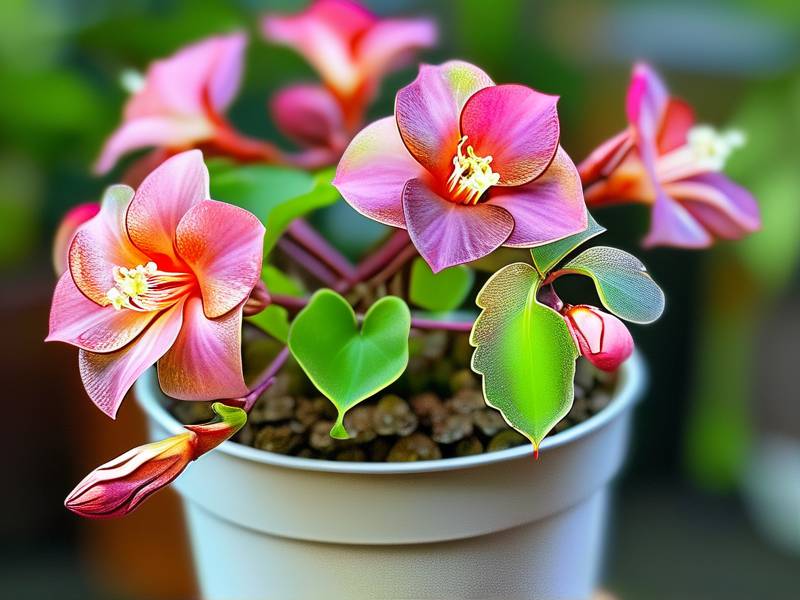
Often called the Wax Plant or Porcelain Flower, Hoya carnosa is a resilient, epiphytic vine native to Eastern Asia and Australia. Its succulent-like leaves store water, making it forgiving of occasional neglect, but its flowering mechanism is finely tuned. Blooms appear on specialized structures called peduncles. The crucial fact, as noted by the American Hoya Society (AHS), is that these peduncles are perennial. They do not fall off after flowering; instead, they reactivate to produce new flower clusters year after year. This means you should never cut off the old, spent flower stalks if you want consistent yearly flowering. Understanding this biology is the first step toward a successful, bloom-filled partnership with your plant.
The Golden Rule: Brilliant, Indirect Light is Non-Negotiable
If you remember only one care tip, let it be this: light is the primary driver of flowering. A Hoya carnosa will not bloom in low light. It requires bright, indirect light for most of the day.
An east-facing window is ideal, providing gentle morning sun. A south or west-facing window can work perfectly, but you may need to diffuse the intense afternoon rays with a sheer curtain to prevent leaf scorch. North-facing windows are often too dim.
Observe your plant’s leaves. Deep green, firm, and closely spaced leaves indicate good light. Stretching vines with large gaps between leaves (etiolation) are a cry for more sunshine. For those in darker homes, supplementing with a full-spectrum grow light for 12-14 hours a day can be the key to unlocking its blooming potential.
Mastering the Watering Cycle: The “Soak and Dry” Method
Overwatering is the fastest way to kill a Hoya’s roots and its chance to bloom. These plants prefer to dry out thoroughly between waterings. The best practice is the “soak and dry” method.
First, check the soil. Insert your finger about two inches deep. If it feels completely dry, it’s time to water. Second, feel the weight of the pot; a light pot signals dry soil. When watering, do so thoroughly until water runs freely from the drainage holes. This ensures the entire root ball is hydrated. Then, let all excess water drain away completely—never let the plant sit in a saucer of water.
In spring and summer, this might mean watering every 1-2 weeks. In fall and winter, when growth slows, it could extend to every 3-4 weeks or longer. Slightly underwatering is always safer than overwatering. Remember, a thirsty Hoya is a motivated Hoya; slight stress from drying out can actually encourage it to bloom.
The Perfect Potting Mix: Fast-Draining and Airy
Root health is paramount, and that starts with the right medium. A standard, dense potting soil will hold too much moisture and lead to root rot. Your Hoya carnosa needs a mix that mimics its natural epiphytic habitat—chunky, airy, and fast-draining.
A reliable recipe is: 50% high-quality potting soil, 25% orchid bark (for chunkiness and aeration), and 25% perlite or pumice (for drainage). Some growers also add a handful of horticultural charcoal to keep the mix fresh. This blend allows water to flow through quickly while providing support and holding just enough moisture for the roots.
Pot selection matters too. Always use a pot with ample drainage holes. Terracotta pots are excellent as they are porous and help wick away excess moisture. When repotting, which is only necessary every 2-3 years or when the plant is severely root-bound, choose a new pot only 1-2 inches larger in diameter. Hoyas actually bloom best when slightly root-bound.
Feeding for Flowers: The Phosphorus Boost
Fertilizer is your secret weapon for encouraging abundant fragrant Hoya carnosa blooms. During the active growing season (spring and summer), feed your plant regularly. However, the type of fertilizer is crucial.
Look for a balanced, water-soluble fertilizer (with equal or similar N-P-K numbers like 5-5-5) or, even better, one with a higher middle number (Phosphorus), such as a 2-3-1 or “bloom booster” formula. Phosphorus directly supports flower and root development. Dilute the fertilizer to half or quarter strength and apply it every 3-4 weeks. Over-fertilizing, especially with full-strength formulas, can burn the roots and inhibit flowering.
In the fall and winter, reduce feeding to once a month or stop altogether as the plant enters its rest period.
Temperature, Humidity, and Seasonal Rhythms
Hoya carnosa appreciates average household temperatures between 60-80°F (15-27°C). To initiate blooming, many varieties require a slight drop in temperature at night during the fall, mimicking seasonal changes. A difference of 10-15 degrees can signal to the plant that it’s time to set buds.
While tolerant of average humidity, they thrive in 40-60% humidity. In dry environments, leaf tips may brown. Increase humidity by placing the pot on a pebble tray with water, grouping it with other plants, or using a humidifier. This is especially helpful in winter when indoor air tends to be dry.
Respecting its dormant period in lower-light winter months is key. Reduce watering and feeding, and don’t expect growth. This rest period is essential for building energy for the next season’s spectacular Hoya carnosa flowering.
The Art of Pruning and Peduncle Preservation
Prune your Hoya primarily to control its size or shape, or to remove dead growth. The most important rule: never cut off the peduncles (the short, knobby stalks where flowers appear). As the Royal Horticultural Society (RHS) advises, these structures will produce flowers for many years. Cutting them off resets the clock and delays future blooms.
If you need to prune a long vine, do so in the spring. New growth will emerge, and given enough light, these new vines can develop their own peduncles over time.
Troubleshooting: Why Isn’t My Hoya Blooming?
Even with good care, sometimes blooms are shy. Here are the usual suspects:
- Insufficient Light: This is the #1 reason. Move your plant to a brighter location.
- Plant is Too Young: Most Hoyas need to reach a certain maturity, often 2-3 years, before they begin flowering.
- Overpotting or Overwatering: A plant in too large a pot focuses on root growth, not flowers. Soggy soil stresses the plant.
- Lack of Seasonal Variation: The absence of a cooler, drier winter rest can prevent bud formation.
- Nutrient Imbalance: Too much nitrogen promotes leafy growth at the expense of flowers. Switch to a bloom-booster fertilizer.
Patience is critical. Once you have provided the correct conditions, trust the process. Your Hoya will bloom when it’s ready.
My Hoya has sticky drops on its leaves. Is this a pest problem? This is likely a sign of happy, healthy Hoya! Many Hoyas, including carnosa, exude a clear, sticky sap called honeydew from specialized glands on the back of their leaves. It’s a natural process and not a cause for concern unless you also see signs of pests like scale or aphids (which also produce honeydew). Simply wipe the leaves gently with a damp cloth if the residue becomes bothersome.
The buds on my Hoya are forming but then turn black and fall off. What’s happening? Bud blast, as this is called, is often caused by a sudden change in the plant’s environment. The most common triggers are moving the plant to a new location after buds have set, a significant shift in temperature or humidity, or inconsistent watering (either drought or soggy soil). Once buds appear, try to keep the plant’s conditions as stable as possible and avoid moving it.
Can I propagate a piece of my blooming Hoya to get a new plant that flowers faster? While you can absolutely propagate from a flowering vine, it does not guarantee the new plant will bloom immediately. The cutting will need to establish a robust root system and mature on its own timeline. However, taking cuttings from a healthy, mature plant that is already blooming is a good indicator of its genetic potential. Provide the propagated plant with the same optimal care—especially strong light—to encourage it to flower in time.
Achieving a full pot of fragrant, star-shaped blooms on your Hoya carnosa is a deeply rewarding experience that validates your attentive care. It hinges on a simple formula: provide ample bright, indirect light, water only when thoroughly dry, use a well-draining potting mix, feed with a phosphorus-forward fertilizer during growth periods, and above all, practice patience while preserving those precious peduncles. By tuning into your plant’s needs and respecting its natural rhythms, you transform from a hopeful gardener into a confident Hoya cultivator. The result is not just a houseplant, but a living, flowering spectacle that rewards you with its stunning visual and olfactory display year after year.