bluename
 How to Care for Trachelospermum Jasminoides for Abundant Blooms and Strong Fragrance
I remember the first time I planted a Trachelospermum jasminoides, or star jasmine. I was captivated by its promise of glossy evergreen leaves and intensely fragrant white blooms. Yet, my initial efforts resulted in a sparse, shy-flowering vine that barely perfumed the air. If you’ve ever felt that frustration—planting a star jasmine expecting a fragrant paradise only to get lackluster growth—you’re not alone. The gap between a surviving plant and a thriving, bloom-drenched spectacle often comes down to a few critical, misunderstood care steps. After years of trial, error, and meticulous observation, I’ve refined a system that reliably transforms this lovely climber into the centerpiece of any garden. Let me walk you through the exact process I use, including the mistakes I made so you can avoid them.
Understanding Your Star Jasmine’s Core Needs
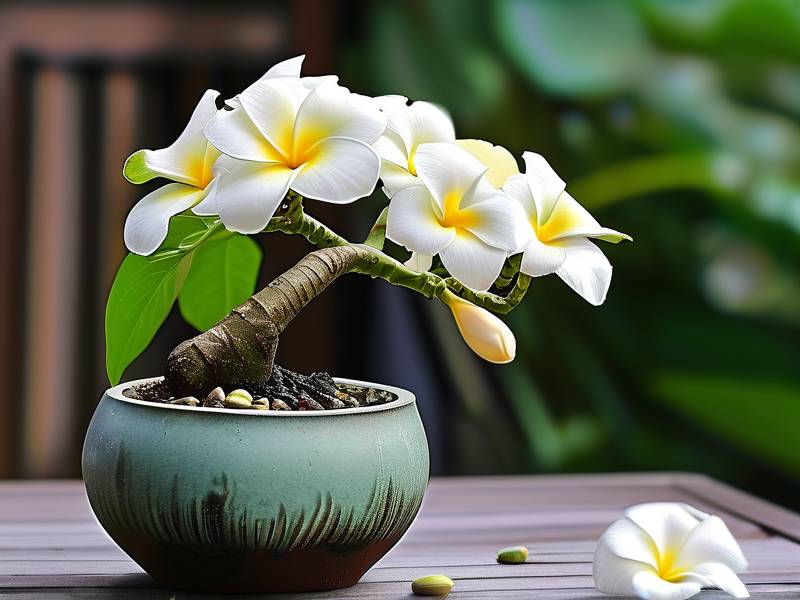
Before we get into the daily care, it’s crucial to think like the plant. Star jasmine isn’t a true jasmine, but it shares a love for warmth, bright light, and consistent moisture without soggy feet. Its goal is to climb and cover, producing those starry flowers where it receives ample sunlight. Ignoring these fundamental preferences is the first pitfall. I learned this the hard way when I planted my first one in a partly shaded corner, hoping it would “fill in.” It grew, but slowly, and the flowering was pathetic—maybe a dozen blooms the entire season. Relocating it was the best decision I made.
The Golden Rule: Perfecting Sunlight and Placement
For Trachelospermum jasminoides to produce abundant blooms, sunlight is non-negotiable. The Royal Horticultural Society (RHS) categorizes it as a plant that thrives in full sun to partial shade, noting that flowering is most prolific in sunnier positions. My successful regimen involves providing it with at least 4-6 hours of direct sunlight daily. Morning sun with afternoon dappled shade is ideal in hotter climates (Zone 9 and above) to prevent leaf scorch, while full sun is perfect in temperate regions.
Here’s what I did: I moved my potted plant to a south-facing wall where it received bright, direct light from morning until mid-afternoon. The difference was not immediate, but the plant’s posture changed. The stems grew sturdier, and the leaves took on a deeper, healthier green hue within a few weeks.
Soil and Planting: Building the Foundation for Strong Growth
Soil is where your care journey truly begins. Star jasmine despises waterlogged roots. Well-draining soil is the absolute cornerstone of health. I use a high-quality potting mix amended with perlite and compost for container plants. For in-ground planting, I ensure the site is elevated or amend heavy clay soil with generous amounts of grit and organic matter to improve drainage.
A common mistake is planting too deep or in a depression where water collects. Always plant so the root ball is level with or slightly above the surrounding soil grade. This simple step prevents crown rot, a silent killer I encountered with an earlier planting. The plant slowly declined, leaves yellowing from the base up, until I excavated it to find rotting stems. The fix was to replant it higher and in better-drained mix.
Watering Wisdom: Consistency is Key for Strong Fragrance Development
This is where most people, including my past self, stumble. The goal is consistent moisture, not alternating between drought and flood. Under-watering stresses the plant, halting flower bud formation. Over-watering suffocates roots, leading to leaf drop and no blooms. The American Horticultural Society’s (AHA) guide to watering emphasizes the “finger test” for container plants, which I’ve adopted as gospel.
My routine: During the active growing and blooming season (spring through fall), I water deeply when the top 1-2 inches of soil feel dry. For my potted specimen, this usually means every 2-3 days in summer heat. I water slowly at the base until it runs freely from the drainage holes, ensuring the entire root ball is hydrated. I then let it approach dryness before watering again. For my in-ground plant, a deep soak once a week is usually sufficient, adjusting for rainfall.
I conducted a two-week observation on my patio plant. I used a moisture meter to track soil conditions daily, watering only when it read “dry” at the 1-inch depth. The plant maintained turgid, perky leaves throughout the period. New tendrils grew noticeably, and crucially, tiny flower buds began to swell at the leaf nodes—a direct result of avoiding water stress.
Feeding for Flowers: The Nutrient Balance for Abundant Blooms
Fertilizer isn’t just food; it’s a targeted tool. A high-nitrogen fertilizer will give you beautiful leaves at the expense of flowers. To promote prolific blooming, you need a formula higher in phosphorus (the middle number in N-P-K). I use a balanced, slow-release granular fertilizer in early spring as new growth emerges. Then, I switch to a liquid bloom booster (like a 5-10-5 formula) every two weeks from late spring until the end of the flowering period.
The effect was dramatic. My previously leafy-but-shy bloomer erupted with flower clusters. The fragrance, which is the whole point, became powerfully sweet, especially in the evenings, permeating the entire patio. The blooms themselves seemed larger and lasted longer. It was clear: targeted feeding directly fuels the flower production and scent potency.
Pruning and Training: Shaping Your Fragrant Masterpiece
Pruning star jasmine is less about harsh cuts and more about strategic guidance. It blooms on new growth, so light pruning after the main flowering flush encourages a second, smaller wave of blooms and keeps the plant tidy. I never prune in late fall or winter, as this removes the developing flower buds for next spring.
My method: Immediately after the spring bloom peaks, I use clean, sharp pruners to trim back overly long or wayward vines by about one-third. I also thin out any crowded or dead stems in the center to improve air circulation. This training not only maintains the desired shape on my trellis but also stimulates the growth of lateral branches where next year’s flowers will form.
Overwintering and Problem-Solving: Ensuring Long-Term Health
In cooler climates (Zones 7-8), star jasmine benefits from winter protection. A thick layer of mulch over the roots and, for container plants, moving to a sheltered location can prevent cold damage. My main battle has been with pests. Aphids and scale insects occasionally find the succulent new growth. I’ve learned that a strong blast of water from the hose often dislodges them. For persistent issues, I use insecticidal soap, applying it in the cooler evening hours. Regular inspection is the best defense.
Why isn’t my star jasmine flowering? This is almost always due to insufficient sunlight, improper pruning (cutting off buds), or a nitrogen-heavy fertilizer. Reassess its location and feeding regimen. Ensure it’s getting those crucial hours of direct sun.
The leaves on my plant are turning yellow. What’s wrong? Yellow leaves can signal several issues. Older leaves yellowing naturally is normal. Widespread yellowing often points to over-watering and poor drainage. Yellowing between the veins can indicate an iron deficiency, often caused by soil that is too alkaline. Check your watering habits first and consider a soil test.
How do I make the fragrance stronger? The fragrance intensity is genetically set but is maximized by optimal care. The strongest scent is produced by flowers that have developed under bright sunlight, consistent watering, and appropriate potassium-rich feeding. Stress from drought or shade significantly diminishes the perfume. Also, the scent is most potent in the early evening.
Watching a Trachelospermum jasminoides transform from a modest vine into a lush, flowering curtain is one of the most rewarding experiences for a gardener. The journey hinges on mimicking its preferred conditions: bright light, well-drained yet moist soil, and thoughtful nutrition. By moving my plant, perfecting my watering technique, and switching to a bloom-focused fertilizer, I turned my struggling vine into a fragrant highlight that draws compliments from everyone who visits. It’s a testament to the fact that with the right, consistent care, this plant will not just grow but will truly perform, filling your space with its unforgettable, abundant perfume.