bluename
 How to Care for Braided Lucky Bamboo - Shape Fixing Healthy Growth Care Essentials
You’ve brought home that beautiful, intricate braided lucky bamboo plant, full of promise and positive energy. But now, the leaves are turning yellow, the braid seems loose, or the plant is leaning awkwardly. I’ve been there. As a longtime indoor plant enthusiast, I’ve learned that caring for braided lucky bamboo goes beyond just adding water. It’s about understanding its unique structure and needs to maintain its symbolic shape and ensure vigorous health. This guide is born from my own hands-on experience, including a dedicated two-week rescue mission on a struggling plant, and I’m here to share every essential step and lesson learned.
Understanding Your Braided Lucky Bamboo's Unique Needs
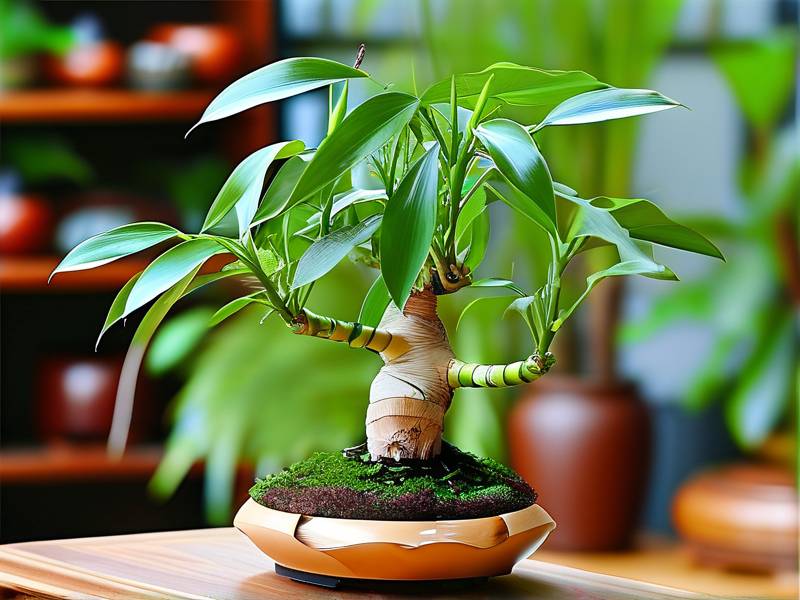
First, let’s clarify something: this isn’t a true bamboo. It’s a Dracaena sanderiana, and the braid is a human-made art form. Several young, pliable stalks are carefully woven together as they grow. This artistry means our care must focus on two things: the health of the individual stalks and the preservation of that beautiful braided structure. According to the American Horticultural Society (AHS), while these plants are adaptable, their constrained form requires specific attention to light, water, and nutrients to prevent stress that manifests in the leaves and braid.
The Golden Rule: Water Quality and Hydration
My biggest initial mistake was using tap water straight from the faucet. Fluoride and chlorine can cause brown leaf tips—a classic sign of distress. After noticing these crispy tips on my plant, I switched to using filtered, distilled, or simply overnight-standing water. The difference was noticeable within days of the switch.
If you’re growing in water: Change the water completely every two weeks. Rinse the container and pebbles to prevent slime. Keep the water level consistent, covering just the roots—never submerge the braided portion, as this can lead to rot. I add a single drop of liquid fertilizer formulated for lucky bamboo each month, but only at half-strength. Over-fertilizing is a surefire way to burn the roots.
If potted in soil: Ensure the pot has drainage holes. Water only when the top inch of soil feels dry. The goal is moist, not soggy, soil. I learned this the hard way when one stalk in my braid became mushy at the base. I had to act fast.
Providing the Perfect Light for Growth and Shape
Braided lucky bamboo thrives in bright, indirect light. Direct sunlight will scorch the leaves, causing pale, burned patches. Too little light, and the plant will become leggy, stretching out and potentially weakening the braid’s integrity. My plant sits about six feet from a north-east facing window, bathing in soft morning light. During my two-week observation period, I rotated the container a quarter turn every few days. This ensured all sides received even light, preventing the plant from leaning toward the light source and putting uneven pressure on the braid.
The Critical Practice: Fixing and Maintaining the Braid
This is the heart of shape fixing for lucky bamboo. Over time, new growth can make the braid look untidy or loose. More critically, if one stalk grows much faster, it can distort the weave.
My Two-Week Braid Correction Project: I had a plant where the top 4 inches of the braid had become loose and splayed. Here was my step-by-step process:
- Assessment: I gently examined the braid. The issue was new growth above the original braid point. The stalks themselves were healthy.
- Softening: For the first three days, I lightly misted the upper, pliable sections of the stalks in the morning. This made them slightly more flexible, reducing the risk of snapping.
- Gentle Manipulation: Using slow, patient pressure, I began to re-cross the stalks, following the existing braid pattern. I worked for just 5-10 minutes each day over four days, never forcing a bend.
- Support: Once the braid was realigned, I used two soft plant ties (velcro ones are excellent) at the top and middle of the corrected section. I did not tie them tightly—just snug enough to hold the shape.
- Observation and Adjustment: For the remaining week, I monitored daily. I checked that the ties weren’t digging into the stalks and that the plant wasn’t showing signs of stress (leaf drop, yellowing). After two weeks, the braid had set into its corrected shape. I removed the top tie but left the middle one for another week as insurance.
Key takeaway: Patience is non-negotiable. Rushing can crack or break a stalk. If a stalk is rigid, work with the new growth above it instead of forcing the old braid.
Troubleshooting Common Health Issues
Even with perfect care, issues arise. Here’s what I’ve encountered and fixed:
- Yellow Leaves: This is the most common alarm. If it’s an older, lower leaf, it’s likely natural shedding. If multiple leaves or new growth yellows, it’s often due to poor water quality, too much direct sun, or over-fertilizing. My fix was a systematic check: I changed to distilled water, moved the plant further from the light, and skipped fertilizer for two months. The yellowing stopped.
- Brown Leaf Tips: Almost always caused by chemicals in water or low humidity. Switching water sources and occasional misting solved this.
- Mushy or Brown Stalks: This is rot, usually from contaminated water or soil that’s too wet. In my case with the single mushy stalk, I immediately unbraided it (carefully), cut away the rotten portion with a sterile knife, and let the healthy cutting callous for a day before placing it in fresh water to re-root. I saved the cutting, though I lost it from the original braid.
- Dusty Leaves: Dust blocks light. I wipe each leaf gently with a damp, soft cloth every few weeks. The plant immediately looks brighter and can photosynthesize more efficiently.
Creating the Ideal Environment for Healthy Growth
Beyond the basics, these factors contribute to long-term success:
- Temperature: Keep your plant in a room between 65°F and 90°F (18°C-32°C). Avoid cold drafts from air conditioners or hot blasts from heaters.
- Humidity: While tolerant of average humidity, these plants appreciate more. Grouping plants together, using a pebble tray, or a nearby humidifier promotes lusher growth. I placed mine on a tray of wet pebbles, and within a week, I noticed a new shoot emerging.
- Cleaning and Pruning: Use clean, sharp scissors to trim any yellow or damaged leaves at the stem. To control height and encourage bushiness, you can trim the top of a stalk. Just cut above a "node" (the ring on the stalk). The RHS (Royal Horticultural Society) advises making clean cuts to minimize disease entry points.
Frequently Asked Questions by Fellow Plant Lovers
Can I separate the braid? You can, but it’s risky and often not advisable. The stalks have grown shaped to each other. Separating them can damage roots and stems. It’s better to care for the plant as the beautiful, intertwined unit it was designed to be.
Why is my braided bamboo leaning to one side? This is almost always due to uneven light. The plant grows toward the light source. The fix is simple: rotate your plant a quarter turn every time you water it. This encourages even, upright growth and keeps pressure on the braid balanced. I do this religiously now.
How fast does braided lucky bamboo grow? It’s a relatively slow grower, especially in water. You might see a few inches of new growth per year. This is actually beneficial for maintaining the braided shape, as rapid growth would constantly distort the weave. Growth in soil tends to be slightly faster. My plant in water produced two new leaves per stalk over my two-week intensive care period, which was a sign it was happy.
Caring for a braided lucky bamboo is a rewarding practice that blends simple horticulture with mindful artistry. By focusing on pure water, gentle light, and patient, proactive shape management, you’re not just keeping a plant alive—you’re honoring a living sculpture. Remember, the signs of distress are clear if you know what to look for: yellow leaves, brown tips, a leaning posture. Address these with the steps outlined, and your plant will reward you with resilient growth and lasting beauty. Start with the water change, assess the light, and give that braid a gentle, supportive touch. Your thriving plant will be its own best testament to your care.