bluename
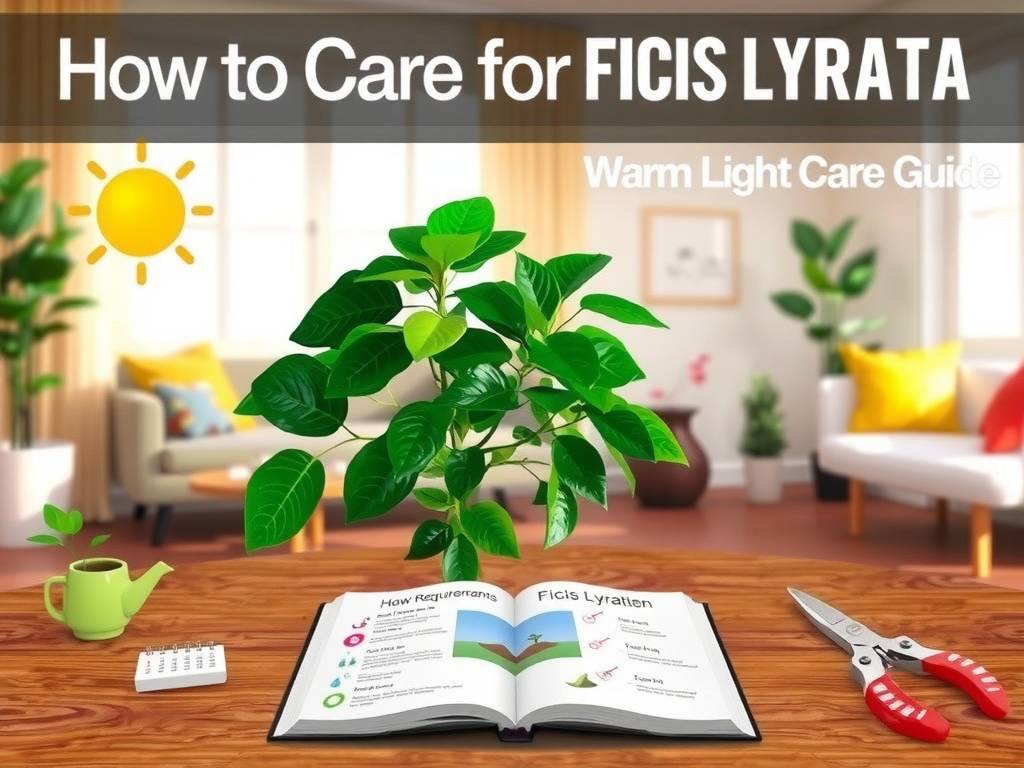
 How to Care for Ficus Lyrata? Your Warm Light Care Guide
You've brought home a stunning Ficus Lyrata, or Fiddle Leaf Fig, with its large, glossy, violin-shaped leaves. It instantly elevates your space. But now, those majestic leaves are developing brown spots, yellowing, or worse—dropping. You're left wondering, "What am I doing wrong?" The most common culprit, and the heart of this guide, is incorrect light. Mastering the art of warm light is the single most important step in learning how to care for Ficus Lyrata successfully.
This guide will transform your approach. We'll move beyond vague advice and delve into the specifics of providing the perfect warm, bright, indirect light your fiddle leaf fig craves to thrive, not just survive.
Understanding Your Fiddle Leaf Fig's Light Language
Your plant communicates its health through its leaves. Misreading light-related signals is a primary reason these plants struggle indoors.

Signs of Insufficient Light: New leaves are small and sparse. Growth is stunted or non-existent. The lower leaves may yellow and fall off as the plant redirects energy. The stems become leggy, stretching awkwardly toward any light source. A plant in low light is also more susceptible to overwatering issues, as it uses water much more slowly.
Signs of Too Much Harsh Light: This often manifests as sunburn. Look for crispy, brown patches or spots on the leaves, particularly on the areas most exposed to the sun. The leaves may also fade, look washed out, or develop a scorched appearance. Contrary to intuition, too much direct sun can also cause leaf drop due to stress.
The Goldilocks Zone: Bright, Indirect Light This is the sweet spot. "Bright, indirect light" means a spot that is very well-lit all day but where the sun's rays never directly hit the foliage. Imagine the light in a bright room where the sunbeam falls on the floor next to the plant, not on its leaves. This condition mimics the dappled light of the tree's native West African rainforest habitat.
Defining "Warm Light" for Optimal Ficus Lyrata Care
In horticulture, "warm light" refers to the quality and intensity of light that promotes healthy growth without the scorching intensity of midday sun. It's not just about color temperature.
Morning Sun: The Ideal Warm Light Source An east-facing window is arguably the perfect location for your fiddle leaf fig. It provides several hours of gentle, direct morning sunlight. This light is warm but less intense, boosting photosynthesis without the burn risk. It's the closest match to the ideal light conditions for a Ficus Lyrata.
Afternoon Light: Proceed with Caution South and west-facing windows often deliver strong, hot direct sunlight in the afternoon. This can be too harsh. However, you can successfully use these windows by employing a simple technique: diffusion. Place your plant a few feet back from the window or use a sheer curtain to filter the intense rays, creating that perfect bright, indirect environment.
A Step-by-Step Guide to Perfect Ficus Lyrata Placement
Finding the right spot is a dynamic process. Follow these steps to ensure your plant gets the warm light care it needs.
1. Assess Your Windows Spend a day observing the light in your home. Where does the sun hit, and at what times? An east-facing window is a prime candidate. A south or west window can work if filtered. North-facing windows are typically too dim.
2. Perform the Shadow Test Hold your hand between the potential plant spot and the window at the brightest time of day. A crisp, well-defined shadow indicates bright direct light. A soft, fuzzy shadow signifies bright indirect light—this is your target. A very faint or barely-there shadow means low light.
3. Rotate for Balanced Growth Your plant will naturally grow toward the light. Rotate the pot a quarter turn every 1-2 weeks during watering. This ensures even growth and prevents a lopsided appearance, a key tip for maintaining an attractive fiddle leaf fig.
4. Seasonal Adjustments are Non-Negotiable Light changes with the seasons. The weak winter sun in northern climates may allow your plant to tolerate a spot closer to a south window. In the intense summer, you may need to pull it back or add more filtration. Observing and adjusting is a core part of advanced Fiddle Leaf Fig care.
Supplementing Light: When Natural Light Isn't Enough
Not every home has ideal natural light. If your space is dim, don't despair—grow lights are a fantastic solution and a testament to your commitment to proper Ficus Lyrata maintenance.
Choosing a Grow Light: Full-spectrum LED grow lights are energy-efficient and effective. Look for ones that offer a balanced white light spectrum. Place the light 12-24 inches above the plant, and run it for 12-14 hours a day using a timer to simulate a natural day/night cycle. This can be a game-changer for promoting healthy fiddle leaf fig growth in darker apartments or rooms.
The Direct Link Between Light and Watering
Light and water are inseparable in plant care. The right light dictates your watering schedule.
The Golden Rule: More light = more water uptake. Less light = less water uptake. A fiddle leaf fig in a bright, warm spot will dry out its soil faster and need more frequent watering than one in a lower-light area. Always check the soil before watering—insert your finger 2-3 inches down. Water only when the top few inches feel dry. This prevents the root rot that plagues so many fiddle leaf figs.
Troubleshooting Common Light-Related Issues
Even with effort, problems can arise. Here’s how to correct them.
Leggy Growth and Small Leaves: This is a clear cry for more light. Gradually move your plant to a brighter location. Avoid shocking it with sudden, intense direct sun. Consider supplementing with a grow light.
Brown, Crispy Patches on Leaves: This is sunburn. Immediately move the plant out of direct sunlight. Trim the damaged leaves if you wish, but the scars will remain. The plant will focus energy on new, healthy growth.
Sudden Leaf Drop: This is often caused by a sudden change in light (or temperature). Did you just move it? Fiddle leaf figs dislike change. When altering its location, try to do so gradually. Ensure other factors like watering and draft exposure are also stable.
Why are the leaves on my Fiddle Leaf Fig turning yellow? Yellowing leaves, especially lower ones, can have two common light-related causes. First, not enough light can cause the plant to shed older leaves to conserve energy. Second, if accompanied by wet soil, it could be overwatering—a problem exacerbated by low light, as the soil stays wet for too long. Assess both your light and watering habits.
Can a Fiddle Leaf Fig survive in low light? Survive? Possibly, but it will not thrive. Growth will be extremely slow or stop, leaves will be smaller and farther apart, and the risk of overwatering and root rot increases dramatically. For a lush, healthy plant, bright indirect light is essential.
How often should I rotate my Ficus Lyrata? Make rotation a part of your regular care routine. A simple method is to give the pot a quarter turn (about 90 degrees) every time you water. This ensures all sides of the plant receive equal light, promoting straight, symmetrical growth and preventing it from leaning heavily toward the window.
Mastering the warm light needs of your Ficus Lyrata is the foundation of its care. By providing consistent, bright, indirect light—whether from a perfect east-facing window, a filtered south exposure, or a quality grow light—you set the stage for robust health. Pair this with attentive watering dictated by the light conditions, and your fiddle leaf fig will reward you with stunning, steady growth. It becomes not just a decor piece, but a thriving testament to your mindful care.