bluename
 How to Care for Ficus Elastica 'Abidjan'? Filtered Light and Ventilated Maintenance Tips
You've brought home a stunning Ficus Elastica 'Abidjan', captivated by its dramatic, deep burgundy leaves that can add a touch of the tropics to any room. But now, you might be noticing a few concerning signs—perhaps a leaf or two turning yellow, brown edges appearing, or worse, leaves dropping unexpectedly. The common culprit often lies in two critical but misunderstood aspects of care: light and air. Mastering the balance of filtered light and proper ventilation is the key to unlocking the lush, vibrant growth this rubber plant variety is known for. Let's dive into the specific care strategies that will keep your 'Abidjan' thriving.
Understanding Your Ficus Elastica 'Abidjan'
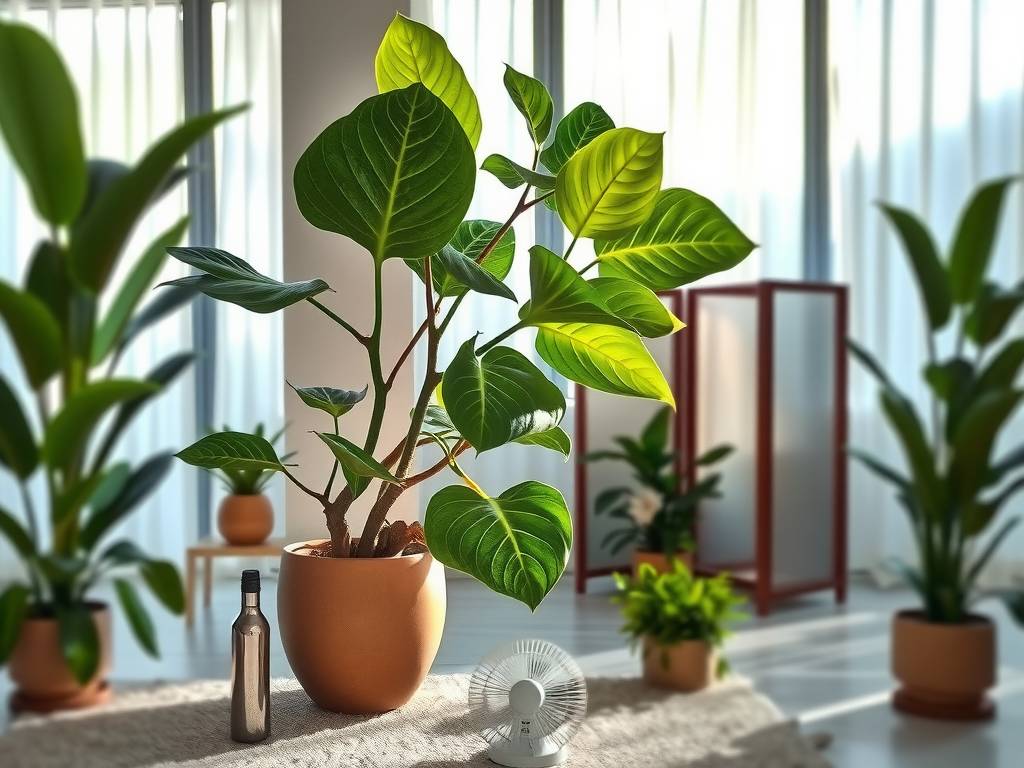
Native to the tropical forests of Southeast Asia, the Ficus Elastica 'Abidjan' is a cultivar prized for its robust, almost blackish-purple new foliage that matures to a deep, glossy green with a burgundy underside. Unlike its plain green cousin, the 'Abidjan' has specific needs tied to its darker leaf pigmentation. According to horticulturist and author Jane Perrone, darker-leaved varieties like 'Abidjan' can be slightly more forgiving of lower light than variegated types, but they still demand bright, indirect conditions to maintain their stunning color and prevent leggy growth. Understanding its origins helps us replicate the dappled sunlight and fresh, moving air of its natural habitat.
The Critical Role of Filtered Light
Getting the light right is the single most important factor for a healthy 'Abidjan'. This plant will not tolerate direct, harsh sunlight, which can scorch its beautiful leaves, leaving irreversible brown, crispy patches. Conversely, placing it in a dim corner will cause it to become leggy, with elongated stems and small, sparse leaves as it desperately reaches for light.
The ideal setup is a spot that receives plenty of bright, indirect light. Think of the light in a room with a north or east-facing window, or a few feet back from a south or west-facing window where the sun's rays never directly touch the foliage. A sheer curtain is an excellent tool for filtering intense sunlight. Observe your plant's leaves; they are the best indicators. Deep, rich color and steady new growth signal perfect lighting conditions. If the vibrant burgundy hue starts to fade to a more washed-out green, it's likely craving more light.
Mastering Ventilation for Healthy Growth
Ventilation is the often-overlooked partner to proper lighting. Stagnant, still air is an invitation for trouble, particularly for moisture-loving plants like the 'Abidjan'. Poor airflow around the foliage can lead to a host of issues, including fungal diseases like powdery mildew, pest infestations (such as spider mites, which thrive in dry, still conditions), and even leaf drop.
Good ventilation doesn't mean placing your plant in a drafty hallway or directly under an air conditioning vent. These sudden temperature fluctuations can cause stress and leaf loss. Instead, aim for gentle air circulation. This can be achieved by ensuring your plant isn't crammed in a crowded corner with other plants. Occasionally opening a window in the same room (avoiding a direct cold blast on the plant) or using a ceiling fan on a low setting can promote excellent air movement. This practice helps water evaporate from the soil surface appropriately and strengthens the plant's overall resilience.
A Complete Care Guide Synergizing Light and Air
Now that we understand the "why," let's combine these principles into a full, actionable care routine.
Watering in Harmony with Light and Air Your watering schedule is directly influenced by light and ventilation. A plant in brighter, filtered light with good airflow will use water more quickly than one in lower light and still air. The golden rule is to water deeply only when the top 1-2 inches of soil feel dry to the touch. Ensure your pot has drainage holes and never let the plant sit in standing water, as this leads to root rot. Good ventilation helps the soil dry out more evenly between waterings.
The Right Soil and Pot Use a well-draining, peat-based potting mix. You can add perlite or orchid bark to increase aeration, which complements your ventilation efforts by allowing oxygen to reach the roots. Choose a pot that is only 1-2 inches larger in diameter than the root ball when repotting, which is typically needed every 2-3 years in spring.
Feeding for Foliage During the active growing season (spring and summer), feed your 'Abidjan' with a balanced, water-soluble fertilizer diluted to half strength once a month. This supports the energy-intensive process of producing those large, colorful leaves, especially when paired with optimal light. Reduce feeding in fall and winter when growth slows.
Cleaning and Pruning Dust can accumulate on the large leaves, blocking the very filtered light the plant needs. Gently wipe the leaves with a damp cloth every few weeks. This not only aids photosynthesis but also helps you inspect for pests. Prune any leggy, damaged, or dead growth with clean shears to maintain a pleasing shape and encourage bushier growth. Pruning also improves air circulation within the plant's own canopy.
Why are the leaves on my Ficus Elastica 'Abidjan' turning yellow and falling off? This is most commonly due to overwatering, especially in combination with lower light and poor ventilation, which slows soil drying. Check your soil moisture and light conditions first. Ensure the pot drains freely and cut back on watering frequency. Sudden leaf drop can also be a reaction to a drastic change in environment, like moving the plant or a significant temperature shift.
Can I put my 'Abidjan' outside for the summer? Yes, with careful acclimation. Move it to a shaded patio or under a tree where it will receive only dappled sunlight. The increased natural airflow outdoors can be beneficial. Remember to bring it back inside well before nighttime temperatures drop below 50°F (10°C). Always check for pests before bringing it back indoors.
How do I encourage my plant to grow more of the dark burgundy new leaves? Consistent, bright filtered light is the secret. The intensity of the new leaf color is a direct response to adequate light levels. Ensure your plant is in its ideal spot and consider rotating it a quarter turn every time you water to ensure even growth and coloration on all sides.

Caring for a Ficus Elastica 'Abidjan' is a rewarding journey of observation and adjustment. By centering your care routine on the principles of abundant filtered light and gentle, consistent ventilation, you create the foundation for success. These two factors influence everything from watering needs to pest resistance. Pay attention to the signals your plant gives you—its leaf color, texture, and growth pattern are constant feedback. With this mindful approach, your 'Abidjan' will reward you with years of stunning, architectural beauty and robust health, becoming a true centerpiece in your indoor garden.