bluename
 How to Care for Zamioculcas Zamiifolia: Drought-Tolerant and Less Water Care Suggestions
You’ve brought home a beautiful Zamioculcas zamiifolia, commonly known as the ZZ plant, drawn by its reputation as an indestructible, low-light survivor. Yet, its glossy, waxy leaves are now turning yellow, or perhaps the stems are becoming mushy. The most common mistake? Overwatering. This guide is dedicated to helping you master the art of how to care for Zamioculcas zamiifolia, focusing on its true nature as a drought-tolerant champion. By understanding its unique needs, you can avoid the pitfalls of too much love and water, ensuring your ZZ plant thrives for years with minimal effort.
Understanding Your ZZ Plant’s Origins
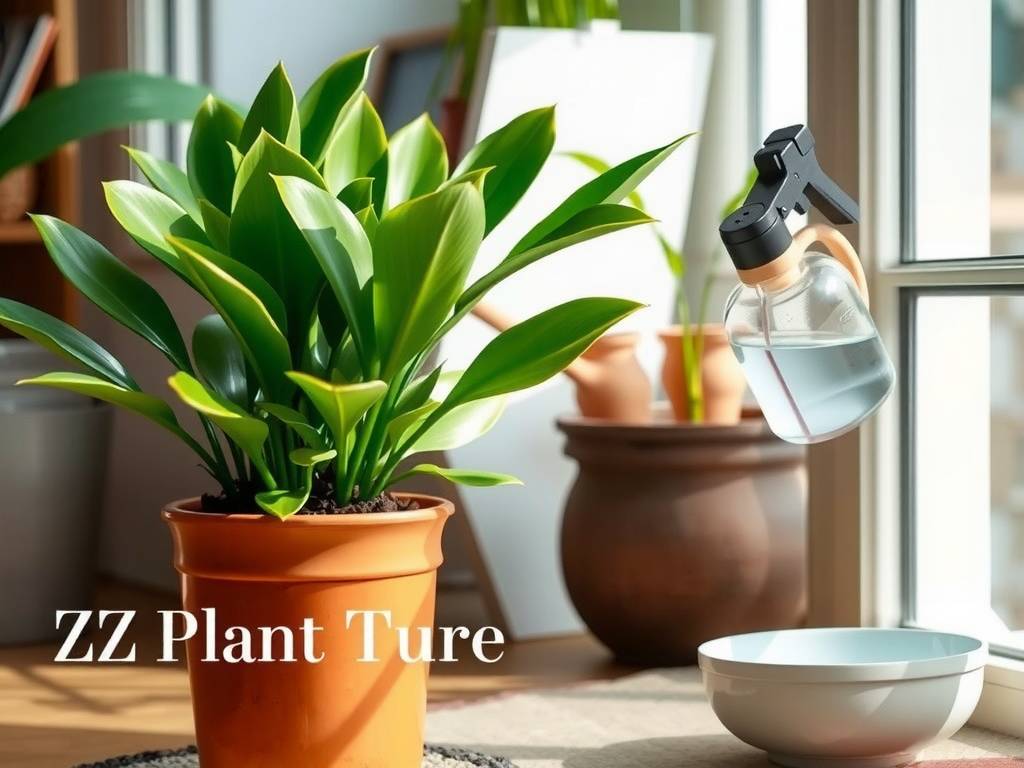
To care for it properly, you must first understand where it comes from. Native to the arid regions of Eastern Africa, the ZZ plant has evolved remarkable adaptations to survive prolonged periods of drought. It stores water in its thick, potato-like rhizomes (underground stems) and its fleshy leaf stalks. These reservoirs allow it to withstand weeks, even months, without a drink. When you water on a typical houseplant schedule, you’re essentially flooding a plant built for a desert. Recognizing this is the first and most crucial step toward success.
The Golden Rule: Mastering the Watering Schedule
Forget watering on a calendar. The single most important piece of drought-tolerant care advice is to water only when the soil is completely dry. This plant thrives on neglect when it comes to hydration.
How to Check for Dryness
Don’t just trust the surface. Insert your finger about 2-3 inches into the potting mix. If it feels dry, wait a few more days. For a more precise method, use a wooden chopstick or a moisture meter. When in doubt, err on the side of underwatering. A thirsty ZZ plant will communicate by showing slight wrinkles on its stems or by dropping a few older leaflets, giving you ample time to react. An overwatered ZZ plant, however, faces rapid root and rhizome rot.
The Soak and Dry Method
When it is finally time to water, do it thoroughly. Take the plant to a sink or use a watering can without a saucer underneath initially. Pour water evenly over the soil until it runs freely out of the drainage holes. This ensures the entire root ball and rhizomes get moisture. Let the pot drain completely before placing it back in its decorative cover or saucer. Never let the plant sit in standing water.
Choosing the Right Soil and Pot
The correct foundation is critical for implementing less water care suggestions. Your potting mix and container are your primary allies in preventing overwatering.
The Ideal Well-Draining Mix
A standard houseplant soil retains too much moisture. Opt for a fast-draining succulent or cactus mix. You can create your own perfect blend by mixing two parts regular potting soil with one part perlite and one part coarse sand or orchid bark. This creates an airy, chunky environment that mimics its natural habitat and allows water to flow through quickly, preventing soggy conditions around the rhizomes.
Pot Selection with Drainage
Always choose a pot with at least one drainage hole. Terracotta pots are an excellent choice for ZZ plants because the porous clay allows the soil to dry out more evenly from the sides. If you prefer a decorative pot without holes, use it as a cache pot. Place the plastic nursery pot with drainage inside the decorative one, and remember to empty any accumulated water after each watering.
Light and Temperature: Supporting a Low-Water Lifestyle
While watering is paramount, light and temperature conditions directly influence how quickly the soil dries and how much water the plant uses.
Optimal Light Conditions
ZZ plants are famous for tolerating low light, but they thrive in bright, indirect light. A spot near an east or north-facing window is ideal. In brighter light, the plant will grow more vigorously and use water from its reserves more actively, which aligns perfectly with a thorough, infrequent watering routine. Avoid direct, hot afternoon sun, which can scorch the leaves.
Ideal Temperature Range
Maintain average room temperatures between 65°F and 75°F (18°C - 24°C). They can tolerate dips down to 45°F (7°C) but will go dormant. Avoid placing them near cold drafts, air conditioning vents, or heating radiators. Stable, warm temperatures support steady, slow growth and prevent stress that can compound watering issues.
Feeding and Maintenance for a Resilient Plant
Fertilizing is a minimal part of ZZ plant care. During the active growing season (spring and summer), you can feed it with a balanced, water-soluble houseplant fertilizer diluted to half-strength, once a month at most. Do not fertilize in fall and winter. As noted by horticulturist and author Jane Perrone in her studies of resilient houseplants, "The ZZ plant’s slow growth means it extracts nutrients from the soil very gradually. Over-fertilizing can lead to salt buildup and root burn, which is counterproductive to its low-maintenance ethos."
Cleaning the leaves occasionally with a damp cloth will keep them shiny and efficient at photosynthesis. Pruning is rarely needed; simply remove any yellowing stems at the soil line with a clean, sharp tool.
Troubleshooting Common Issues
Yellow Leaves: This is almost always a sign of overwatering. Check the soil and rhizomes immediately. If they are firm, let the plant dry out completely. If they are soft and mushy, you may need to unpot the plant, remove the rotten parts, and repot in fresh, dry soil.
Brown Leaf Tips: Usually caused by low humidity or, ironically, extreme underwatering over a very long period. While it tolerates dry air, occasional misting or a humidity tray can help if your home is exceptionally dry.
Leggy Growth or Few New Shoots: This indicates insufficient light. While the plant won’t die, it will become stretched and sparse. Move it to a brighter location to encourage compact, full growth.
Here are answers to some of the most common questions we hear from plant parents:
How often should I really water my ZZ plant? There is no universal weekly schedule. In a typical home environment with moderate indirect light, you may only need to water every 3-4 weeks in summer and every 4-6 weeks or longer in winter. Always let the soil dry out completely between waterings.
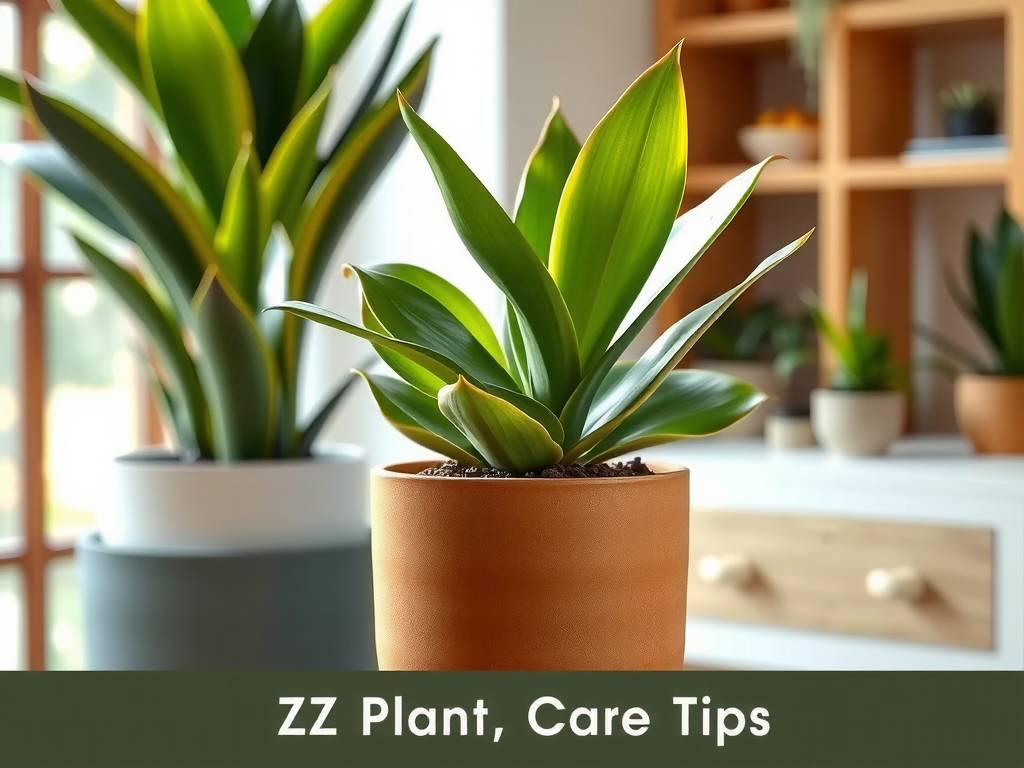
Can a ZZ plant recover from overwatering? Yes, if caught early. Stop watering immediately, move the plant to a brighter, warmer spot to help dry the soil, and ensure the pot drains. If the stems are mushy, unpot the plant, cut away all soft, rotten rhizomes and roots with a sterile knife, and repot in fresh, dry, well-draining mix. Water only after a week or two.
Is the ZZ plant pet-friendly? No. The ZZ plant contains calcium oxalate crystals, which are toxic to cats and dogs if ingested. It can cause oral irritation, vomiting, and difficulty swallowing. Keep it in a location inaccessible to curious pets.
Embracing the ZZ plant’s drought-tolerant nature is the key to a long and happy relationship. By watering deeply but infrequently, providing a chunky soil mix in a pot that drains, and placing it in bright, indirect light, you are working with its biology, not against it. This resilient plant asks for little but offers abundant, architectural beauty in return, proving that sometimes, the best care is simply knowing when to step back and let it be.