 bluename
 How to Care for Schefflera Actinophylla: Filtered Light and Drought-Tolerant Maintenance Methods
You’ve brought home a stunning Schefflera actinophylla, also known as the Umbrella Tree, with its beautiful, glossy leaflets radiating from a central point. It adds an instant tropical feel to your space. But now, you might be noticing some troubling signs—perhaps the leaves are turning yellow, developing brown crispy edges, or worse, dropping off entirely. The common culprit? Misunderstanding its two most fundamental needs: the right light and a careful watering approach. Many plant enthusiasts unknowingly give their Schefflera too much direct sun or drown its roots with kindness. The good news is that with the correct knowledge, this resilient plant can thrive for years. This guide will demystify the exact care for Schefflera actinophylla, focusing on mastering its preference for filtered light and its drought-tolerant nature, turning your worries into a lush, thriving green companion.
Understanding Your Schefflera Actinophylla's Natural Habitat
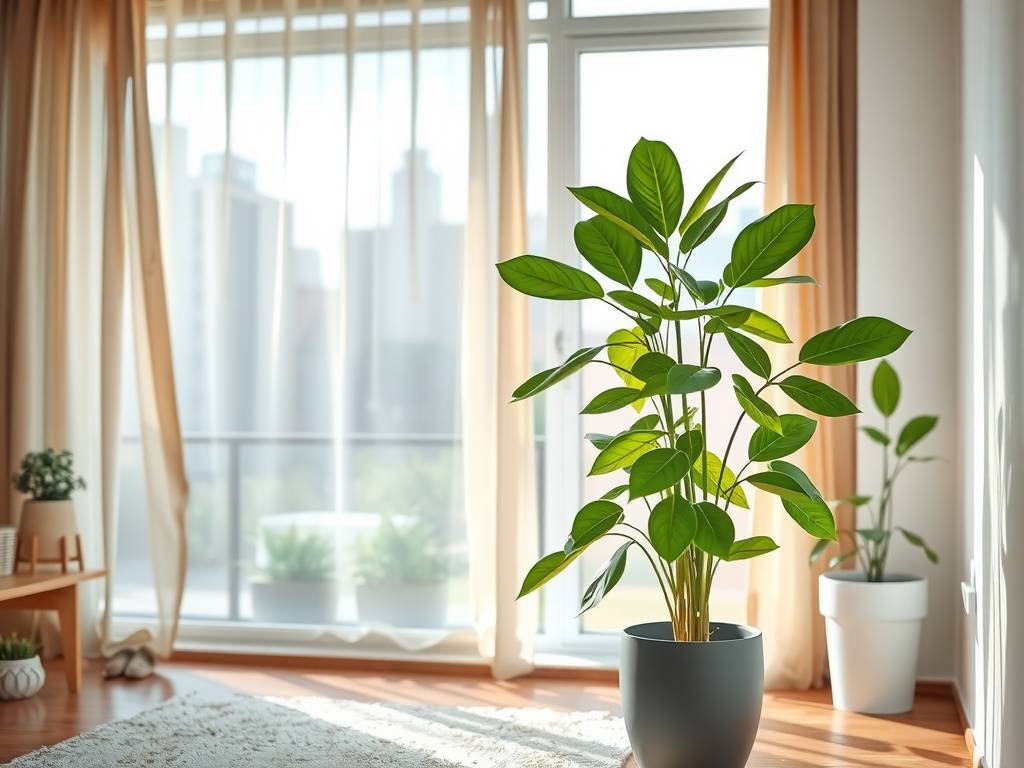
To care for any plant successfully, it helps to think about where it comes from. Schefflera actinophylla is native to the rainforests of Australia and New Guinea. In its natural environment, it grows as an understory tree or epiphyte, meaning it lives beneath the canopy of taller trees. This is the key to its care. It is adapted to receive bright but dappled sunlight—sunlight that filters through the leaves above—and it experiences periods of rain followed by well-draining conditions. Replicating this environment of bright, indirect light and a cycle of thorough watering followed by a drying period is the secret to a healthy plant.
The Golden Rule: Perfecting Filtered Light Conditions
Light is the engine of plant growth, and getting it right for your Umbrella Tree is non-negotiable. The goal is to provide abundant light without the harsh, scorching rays of direct sun.
What is Filtered or Bright Indirect Light? This is light that is bright enough to cast a soft, fuzzy shadow. You can achieve it by placing your plant near a window with a sheer curtain, a few feet back from a south or west-facing window, or in a bright room with an east-facing window. North-facing windows may not provide enough intensity for robust growth. A study on indoor plant physiology consistently shows that plants adapted to understory conditions, like the Schefflera, exhibit optimal photosynthesis and leaf development under consistent, bright indirect light, avoiding the chlorophyll damage caused by direct midday sun.
Signs Your Plant is Getting the Wrong Light Your Schefflera will communicate its discomfort. Leaves that become pale, washed-out, or develop scorched brown patches are crying out from too much direct sun. Conversely, if you notice the plant becoming leggy—with abnormally long stretches of stem between leaves—and the new growth is small and sparse, it is desperately reaching for more light. Adjust its position accordingly. Rotate the pot a quarter turn every time you water to ensure even growth on all sides.
Mastering the Art of Drought-Tolerant Watering
Perhaps the most common mistake in Schefflera actinophylla maintenance is overwatering. Its semi-succulent roots and drought-tolerant tendencies mean it prefers neglect over fussing.
The "Soak and Dry" Method This is the only watering technique you need to remember. Water your Schefflera deeply and thoroughly until you see water freely running out of the drainage holes. This ensures the entire root ball is moistened. Then, let it be. Allow the top 50-75% of the soil to dry out completely before watering again. In most indoor settings, this translates to watering every 1-2 weeks in warmer months and every 3-4 weeks in winter. Always check the soil with your finger; don't water on a schedule.
Choosing the Right Soil and Pot Watering success is tied to your soil mix and pot choice. A well-draining, peat-based potting mix is essential. Many experts, like horticulturist Jane Perrone, recommend amending a standard mix with perlite or orchid bark to increase aeration and drainage dramatically. The pot must have at least one drainage hole. Terracotta pots are excellent for Scheffleras as they are porous and help wick away excess moisture from the soil, further preventing root rot.
Essential Care Practices to Support Healthy Growth
While light and water are the pillars, a few other practices will ensure your plant thrives.
Feeding for Lush Foliage Feed your Schefflera a balanced, water-soluble fertilizer (like a 10-10-10 or 20-20-20 formula) diluted to half-strength. Do this only during the active growing season (spring and summer), about once a month. Do not fertilize in fall and winter when growth slows. Over-fertilizing can lead to salt buildup in the soil, causing leaf burn.
Pruning and Cleaning Regular pruning helps maintain a bushy, compact shape. Simply snip off any leggy stems just above a leaf node. Wipe the large leaves with a damp cloth every few weeks to remove dust, which allows the plant to breathe and photosynthesize more efficiently. This also gives you a chance to inspect for pests like spider mites or scale, which can be treated early with insecticidal soap.
Troubleshooting Common Schefflera Problems
Even with the best care, issues can arise. Here’s how to diagnose and fix them.
Yellowing Leaves: This is most often a sign of overwatering and potential root rot. Check the soil moisture immediately. If it's soggy, cease watering and let the soil dry out profoundly. In severe cases, you may need to repot into fresh, dry soil after trimming away any black, mushy roots. Brown Leaf Tips or Edges: Usually caused by low humidity, underwatering (allowing the soil to become bone dry for too long), or a buildup of salts and minerals from tap water or fertilizer. Increase humidity with a pebble tray, ensure consistent watering, and use distilled or rainwater if possible. Leaf Drop: A sudden loss of leaves can be a shock response to a drastic change in environment—a move, a severe temperature draft, or extreme overwatering. Identify and correct the environmental stress, and your plant should stabilize and put out new growth.
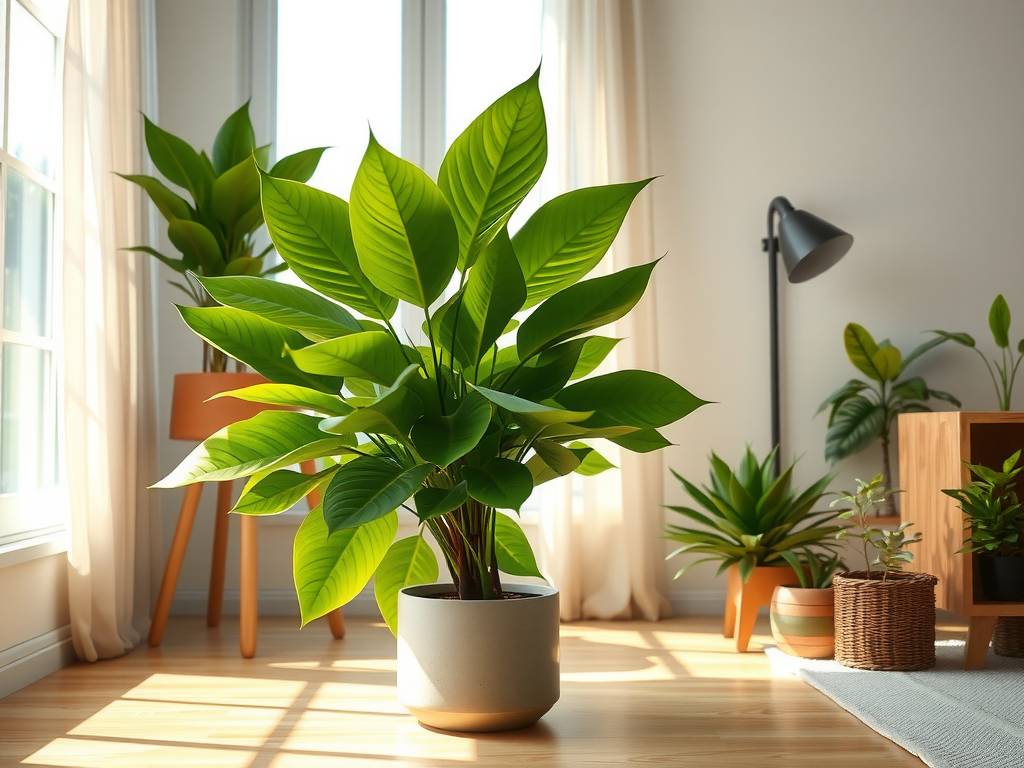
Why are the leaves on my Schefflera falling off? Sudden leaf drop is almost always related to stress. The most common causes are overwatering (soggy soil leads to root suffocation), a drastic change in location or temperature (like a cold draft from a door or air conditioner), or, ironically, severe underwatering where the plant sheds leaves to conserve water. Assess your recent care and environment to pinpoint the cause.
Can Schefflera actinophylla tolerate low light? While it is a survivor and can tolerate lower light conditions for a period, it will not thrive. In low light, growth will become very slow, leggy, and sparse. The plant will also be more susceptible to overwatering issues and pest infestations. For a healthy, vibrant Umbrella Tree, providing bright, filtered light is crucial.
How often should I repot my Umbrella Tree? Scheffleras prefer to be slightly root-bound. Repotting every 2-3 years in spring is typically sufficient. Choose a new pot that is only 1-2 inches larger in diameter than the old one. Signs it needs repotting include roots growing out of the drainage holes, water sitting on the soil surface without absorbing, or severely slowed growth despite proper care.
Caring for a Schefflera actinophylla is a rewarding practice in understanding a plant's language. By respecting its need for gentle, filtered sunlight and adopting a mindful, drought-tolerant watering routine, you create the foundation for effortless growth. Pay attention to its signals—the posture of its stems, the color and texture of its leaves—and adjust your care as needed. With these principles in hand, your Umbrella Tree will do more than just survive; it will flourish, bringing a enduring touch of the rainforest canopy into your daily life.





