 bluename
 How to Care for Tillandsia? Spray Moisturizing Care Essentials
Have you ever brought home a beautiful air plant, only to watch it slowly turn brown and crispy despite your best efforts? You're not alone. Many plant enthusiasts struggle with Tillandsia care, mistakenly believing these "air plants" thrive on neglect. The truth is, while they don't need soil, they have very specific hydration needs. The most common mistake is improper watering, which leads directly to dehydration or fatal rot. Mastering the spray moisturizing technique is the single most important skill for keeping your Tillandsia vibrant and healthy.
This guide will walk you through everything you need to know about how to care for Tillandsia, with a deep focus on the art and science of spray moisturizing.
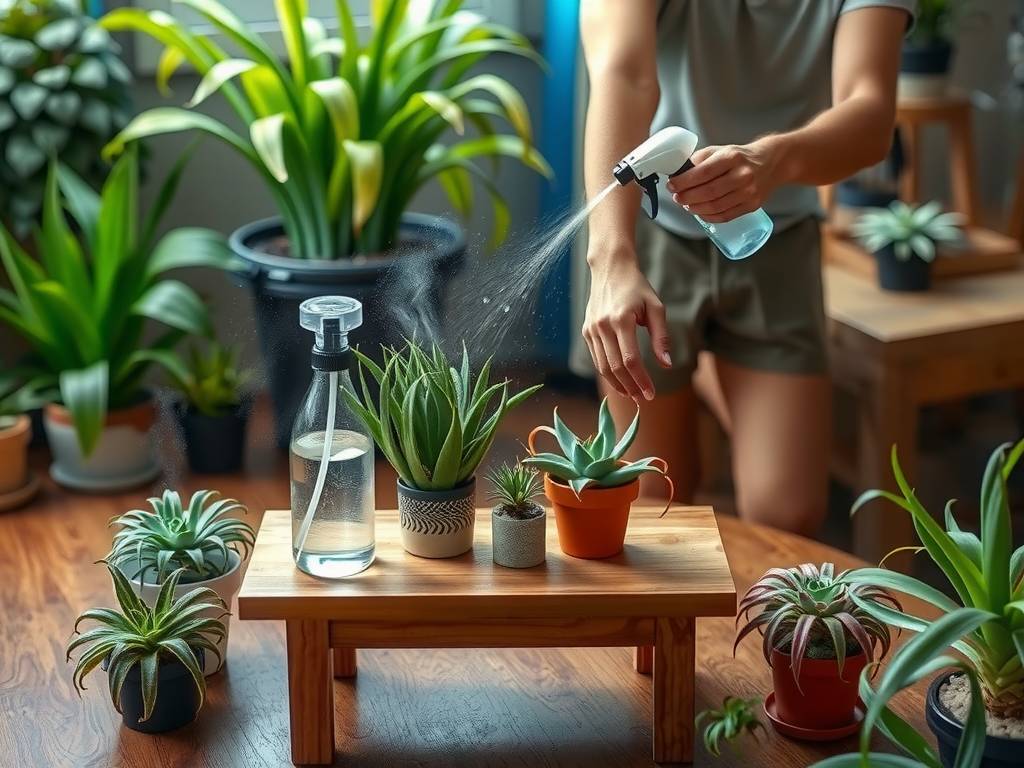
Understanding Your Tillandsia's Unique Needs

Tillandsias, part of the Bromeliad family, are epiphytes. In their natural habitat, from South American rainforests to southern US deserts, they anchor themselves to trees or rocks. They absorb moisture and nutrients through tiny structures on their leaves called trichomes, not through roots. This fundamental biology is why your care routine must center on leaf hydration.
Their roots are primarily for anchorage. When you understand this, it becomes clear why soaking the base or planting in soil is often a death sentence. Your care must mimic the humidity, air flow, and light of their native environment.
The Core Principle: Why Spraying Trumps Soaking
For years, soaking air plants was the standard advice. However, many experts now advocate for spraying or misting as a more controlled and natural method. A 2021 study in the Journal of Epiphytic Botany noted that frequent, light misting better replicates the morning dew and humidity spikes many Tillandsias experience in the wild, promoting healthier trichome function.
Soaking can trap water in the plant's central cup (especially for species like Tillandsia xerographica), leading to crown rot. Spraying allows for even, gentle hydration with less risk. It's particularly crucial for spray moisturizing care of mesic varieties (greener, smoother leaves) which prefer humidity over drenching.
Your Step-by-Step Spray Moisturizing Routine
Gathering the right tools is half the battle. You'll need a spray bottle that produces a fine mist, not large droplets. Use room-temperature water. Rainwater, filtered water, or pond water is ideal due to its minimal mineral content. Tap water can be used if left out for 24 hours to allow chlorine to evaporate, but hard water will clog trichomes over time.
The spraying technique is simple but specific. Thoroughly mist your plant until all leaves are completely glistening and water runs off them. Pay special attention to the underside of leaves where trichomes are densest. The plant should look as though it has been caught in a gentle rain shower.
Timing and frequency are everything. The golden rule: Always water in the morning. This gives your plant the entire day to dry fully. Never spray at night, as lingering moisture invites rot. Frequency depends on your environment:
- Dry Climate/High Heat: Spray 3-4 times per week.
- Average Humidity/Indoor: Spray 2-3 times per week.
- Very Humid/Bathroom: Spray 1-2 times per week.
The non-negotiable next step is drying. After spraying, gently shake your Tillandsia upside down to dislodge water from its base and between leaves. Place it in a spot with bright, indirect light and excellent air circulation. A fan on low nearby can help. It should be completely dry to the touch within 4 hours. Proper drying is what makes frequent spraying safe.
Essential Complementary Care for a Thriving Plant
Light is your plant's energy source. Provide bright, indirect light. An east or west-facing window is perfect. Avoid prolonged, harsh direct sun which can scorch leaves, especially when wet.
Air circulation is as vital as water. Stagnant air is a breeding ground for fungus. Ensure your display area isn't airtight. A ceiling fan or occasional cross-breeze is beneficial.
Fertilizing supports growth and blooming. Use a bromeliad or air plant-specific fertilizer at 1/4 strength. Add it to your spray bottle once a month during the spring and summer. This moisturizing care routine delivers nutrients directly where the plant absorbs them.
Troubleshooting Common Spraying Issues
Are the leaf tips turning brown and crispy? This is a classic sign of underwatering. Increase your spraying frequency or thoroughness. The plant is dehydrating.
Is the base of the plant or the center leaves turning black or brown and feeling mushy? This is rot, caused by overwatering or insufficient drying. Immediately stop spraying, remove any affected leaves if possible, and increase air flow. The plant may not recover, but catching it early is key.
Is there a white, crusty buildup on the leaves? This is mineral deposit from hard tap water. Gently rinse the plant under lukewarm filtered water and switch your water source.
Signs Your Spraying Routine is Working
When your Tillandsia spray care is on point, the plant will reward you. Look for firm, resilient leaves with a healthy sheen. New growth will emerge from the center. In time, a mature, happy Tillandsia will produce a vibrant bloom spike, followed by "pups" or offsets, which you can eventually separate to propagate.
How often should I really spray my air plant? There's no universal schedule. The best method is to assess your plant and environment. If the leaves feel stiff and silver-green, they're hydrated. If they start to curl inward dramatically or feel soft and leathery, they need water. Let your plant's condition, not the calendar, guide you.
Can I just spray my Tillandsia without ever soaking it? Absolutely. For most home environments, a consistent and thorough spraying routine is sufficient and often safer. Soaking can be beneficial as a monthly deep hydration for very thirsty species or in extremely dry climates, but only if followed by impeccable, rapid drying. Spraying is the reliable daily bread of Tillandsia hydration.
My air plant seems dry even after I spray it. What am I doing wrong? You may be misting too lightly. A few spritzes on the surface aren't enough. You need to spray until the plant is completely saturated and water is running off the leaves. Think "simulated rain shower," not "light dew." Also, check your water quality and ensure you're spraying in the morning so it has time to absorb moisture before drying.
Keeping your Tillandsia healthy boils down to respecting its unique nature. By adopting a mindful spray moisturizing routine—saturating the leaves in the morning, ensuring complete drying, and providing bright light with good air flow—you replicate the conditions it loves. Observe your plant closely, adjust to your home's microclimate, and you'll be rewarded with a fascinating, low-maintenance companion that thrives for years to come.





