bluename
 How to Care for Crassula Ovata? Mastering Strong Light and Less Water Techniques
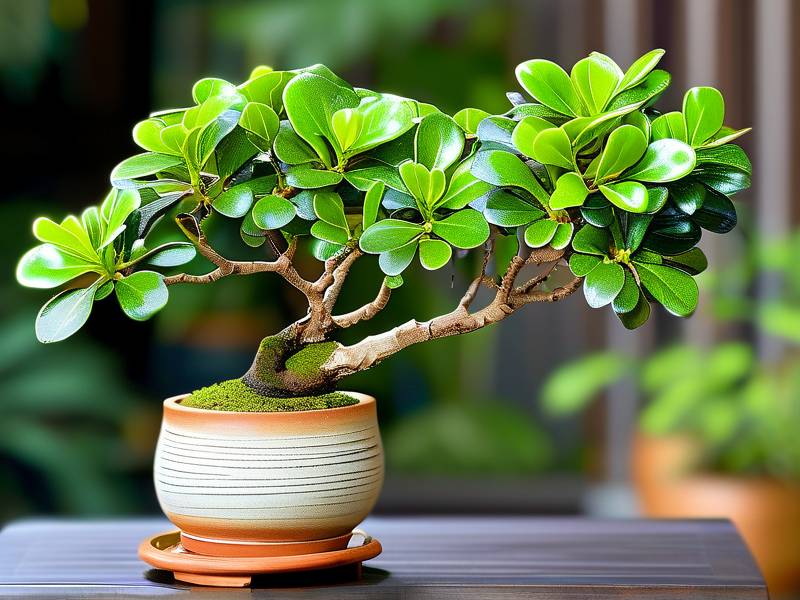
You've brought home a beautiful jade plant, or Crassula ovata, charmed by its plump, glossy leaves and tree-like form. Yet, weeks later, you notice leaves dropping, stems becoming leggy and weak, or worse, soft, mushy patches at the base. This frustrating scenario is almost universal among new jade plant owners. The culprit? Misunderstanding its fundamental needs. Contrary to many houseplants, the jade plant thrives on a simple, counter-intuitive mantra: strong light and less water. Mastering this balance is the key to transforming your struggling succulent into a resilient, thriving miniature tree that can live for decades.
Understanding Your Jade Plant’s Natural Habitat
To care for Crassula ovata effectively, we must look to its origins. Native to the dry, rocky slopes of South Africa, this succulent is evolutionarily designed for survival in arid, sunny environments. Its thick, fleshy leaves act as water reservoirs. Its roots are adapted to absorb moisture quickly from rare rainfalls and then endure long periods of drought. In your home, replicating these conditions—intense light and infrequent watering—is not neglect; it’s precisely what the plant needs. As noted by the Royal Horticultural Society, succulents like jade plants are prone to failure primarily due to overwatering and insufficient light, especially during the winter months.
The Golden Rule: Prioritizing Strong, Direct Light
Light is the non-negotiable energy source for your jade plant. Without it, all other care aspects falter.
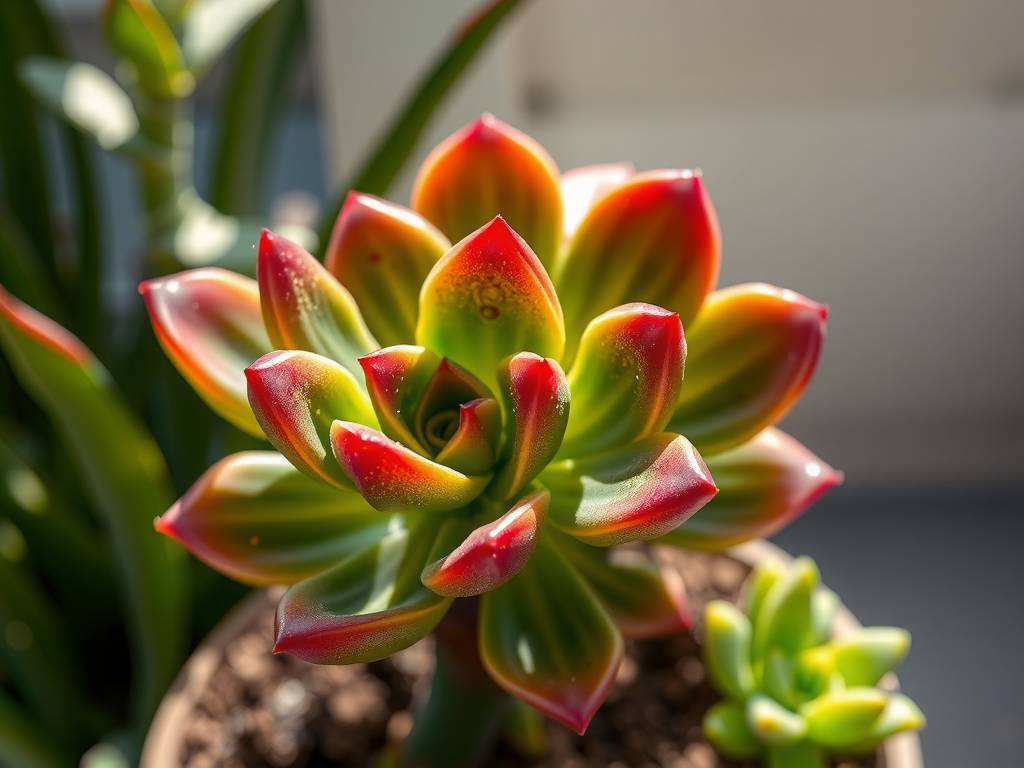
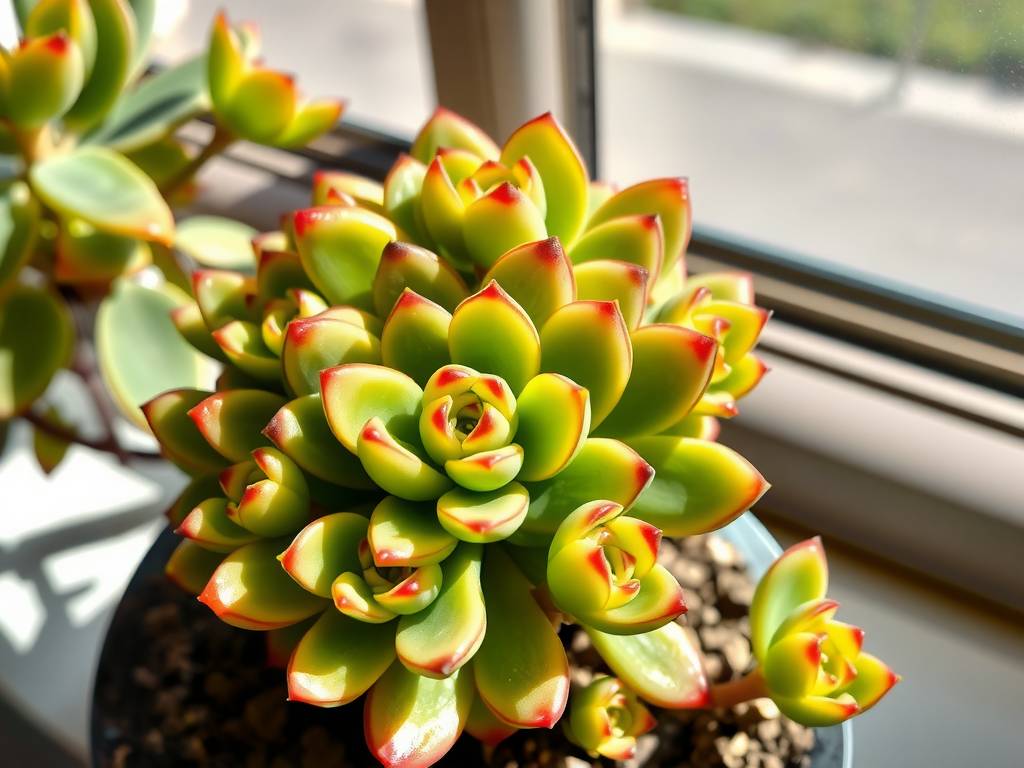
Ideal Light Conditions for Healthy Growth Your Crassula ovata craves bright, direct sunlight for at least four to six hours daily. A south-facing or west-facing window is the prime real estate. Here, the plant will develop sturdy, compact growth, and its leaves may develop beautiful red or yellow tinges along the edges—a sign of perfect sun exposure called "sun stressing," which is harmless and often desirable.
Signs Your Plant Needs More Light Insufficient light is a slow adversary. Your plant will tell you it's starving for photons. The most common sign is etiolation: stems become abnormally elongated, thin, and weak as they stretch desperately toward any light source. The spaces between leaves (internodes) will widen, and the overall growth will appear pale and leggy. The plant loses its compact, tree-like shape. If you see this, it’s a clear signal to immediately increase light exposure.
Solutions for Low-Light Environments Not every home has perfect south-facing windows. Don’t despair. You can rotate the plant weekly to ensure all sides receive even light, preventing lopsided growth. For persistently dark spaces, consider supplementing with a grow light. A simple LED grow bulb for 12-14 hours a day can make a dramatic difference, providing the full spectrum of light the plant needs for photosynthesis without the risk of sunburn.
The Art of "Less Water": A Strategic Approach
Watering is where most jade plant owners go astray. The goal is to mimic the desert downpour followed by a drought.
The "Soak and Dry" Method Explained This is the cornerstone of jade plant watering. Do not water on a schedule. Instead, thoroughly drench the soil until water flows freely from the drainage holes. This ensures the entire root ball is moistened. Then, the critical part: let the soil dry out completely. Wait until the potting mix is bone-dry to the touch, not just on the surface but an inch or two down. In winter, this drying period could extend to a month or more.
Choosing the Right Soil and Pot Your watering strategy is only as good as your soil and pot. A well-draining succulent or cactus mix is essential. Many experts, including those from the University of California Cooperative Extension, recommend amending even commercial mixes with extra perlite or pumice (up to 50%) for maximum drainage. The pot must have a drainage hole. Terracotta pots are excellent as they are porous, allowing the soil to dry from the sides as well as the top.
Critical Signs of Overwatering and Underwatering Learn to read your plant’s leaves. Overwatering causes leaves to become soft, mushy, and translucent, often starting at the bottom. The stem may blacken. This is a severe condition requiring immediate action: stop watering, remove the plant from wet soil, cut away any rot, and repot in dry mix. Underwatering, while less immediately dangerous, shows as wrinkled, shriveled, or flat leaves. The plant is using its internal reserves. A good soak will plump them back up within a day or two.
Advanced Care for a Thriving Specimen
With light and water mastered, these additional tips will elevate your jade plant care.
Seasonal Adjustments to Your Routine Your jade plant’s needs change with the seasons. Spring and summer are its active growing seasons. It will use more water and appreciate the strong light. You can consider a diluted, balanced fertilizer once in spring and once in mid-summer. In fall and winter, the plant enters a rest period. Water sparingly, just enough to prevent severe shriveling, and hold off on fertilizer entirely. Keep it in a cool spot (around 50-55°F) if possible, but always with bright light.
Pruning and Shaping Your Jade Tree Don’t be afraid to prune. It encourages a bushier, stronger structure. Use clean, sharp scissors to snip back leggy stems, always cutting just above a leaf node (where leaves emerge). You can propagate these cuttings easily—let the cut end callous over for a few days, then place it in dry soil. New roots will form, giving you new plants.
Common Pests and Problems Jade plants are relatively pest-resistant but can attract mealybugs (cotton-like fluff in leaf axils) and scale. Wipe them off with a cotton swab dipped in rubbing alcohol. The most common disease, root rot, is entirely preventable by following the "less water" protocol.
Why are the leaves on my jade plant falling off? Leaf drop is a classic distress signal. If the leaves are plump and green when they fall, it’s often due to overwatering. If they are shriveled and dry, it could be severe underwatering or a sudden drastic change in environment, like a move from a bright store to a dim room. Assess your watering habits and light conditions first.
Can I put my jade plant outside? Absolutely, and it will often thrive outdoors in the summer. Acclimate it gradually over a week to prevent sunburn, starting in dappled shade and moving to a spot with morning sun and afternoon shade. Bring it back indoors well before the first frost in fall.
How often should I really water my jade plant? There is no universal answer—it depends on your home’s light, temperature, humidity, and pot size. The only reliable method is the "finger test." Insert your finger into the soil up to the second knuckle. If it feels completely dry, it’s time for a thorough soak. If there’s any moisture, wait. In typical indoor conditions, this might mean watering every 2-3 weeks in summer and every 4-6 weeks or longer in winter.
Caring for Crassula ovata successfully hinges on respecting its desert ancestry. By providing strong, direct light and adopting a disciplined, infrequent watering routine based on soil dryness, you work with the plant’s natural biology, not against it. This approach minimizes the risk of the most common fatal errors. With patience and observation, your jade plant will reward you with robust growth, a sculptural form, and the deep satisfaction of nurturing a resilient piece of the natural world. It becomes more than a plant; it becomes a testament to the principle that sometimes, less attentive care is, in fact, the most profound care you can give.