bluename
 How to Care for Philodendron: Your Warm and Moist Care Guide
You’ve brought home a beautiful philodendron, drawn by its lush, heart-shaped leaves and reputation as an easy-care houseplant. Yet, instead of thriving, you might notice yellowing leaves, brown crispy edges, or a leggy, sparse appearance. The frustration is real. The secret to unlocking your philodendron's full, vibrant potential lies not in complex routines, but in understanding and replicating its preferred environment: one that is consistently warm and moist. This guide will walk you through exactly how to master that balance, transforming your care from guesswork to confidence.
Understanding Your Philodendron's Natural Habitat
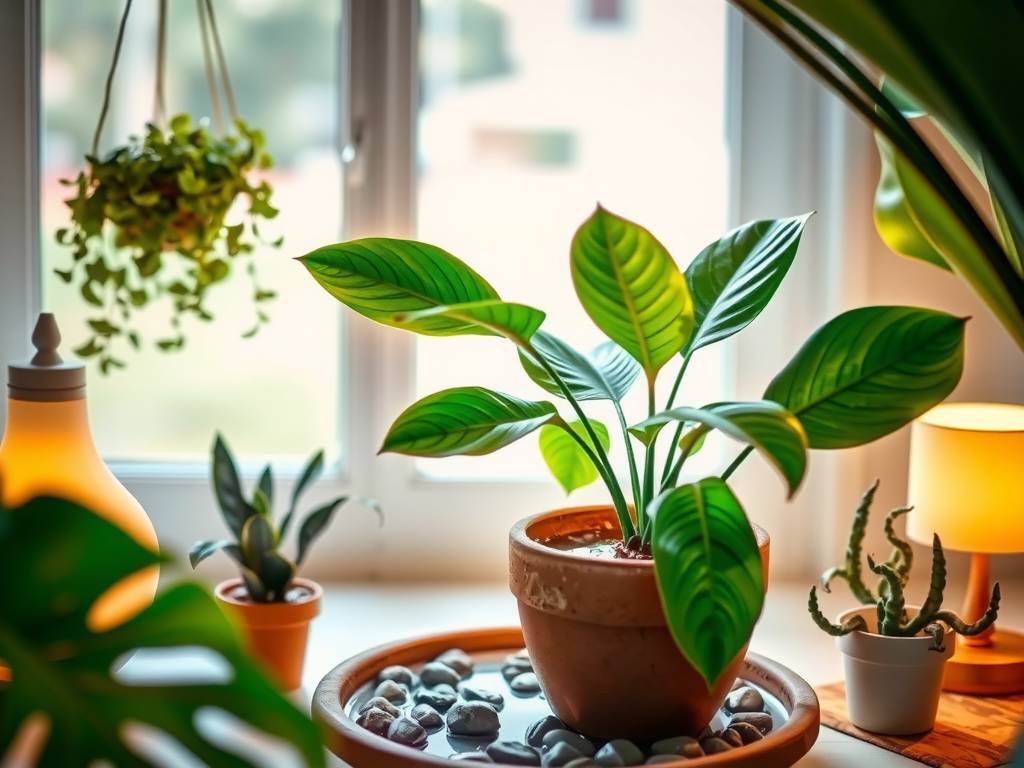
To care for a philodendron successfully, it helps to know where it comes from. Native to the tropical rainforests of Central and South America, these plants are accustomed to dappled sunlight filtering through a dense canopy, high humidity, warm temperatures, and soil that is rich yet well-draining. They are climbers or crawlers, often using tree trunks for support. This origin story is your blueprint for care—strive to create a slice of the tropical understory in your home, and your philodendron will reward you with vigorous growth.
Creating the Perfect Warm Environment
Philodendrons are not fans of the cold. They thrive in temperatures that mimic a perpetual spring or summer day.
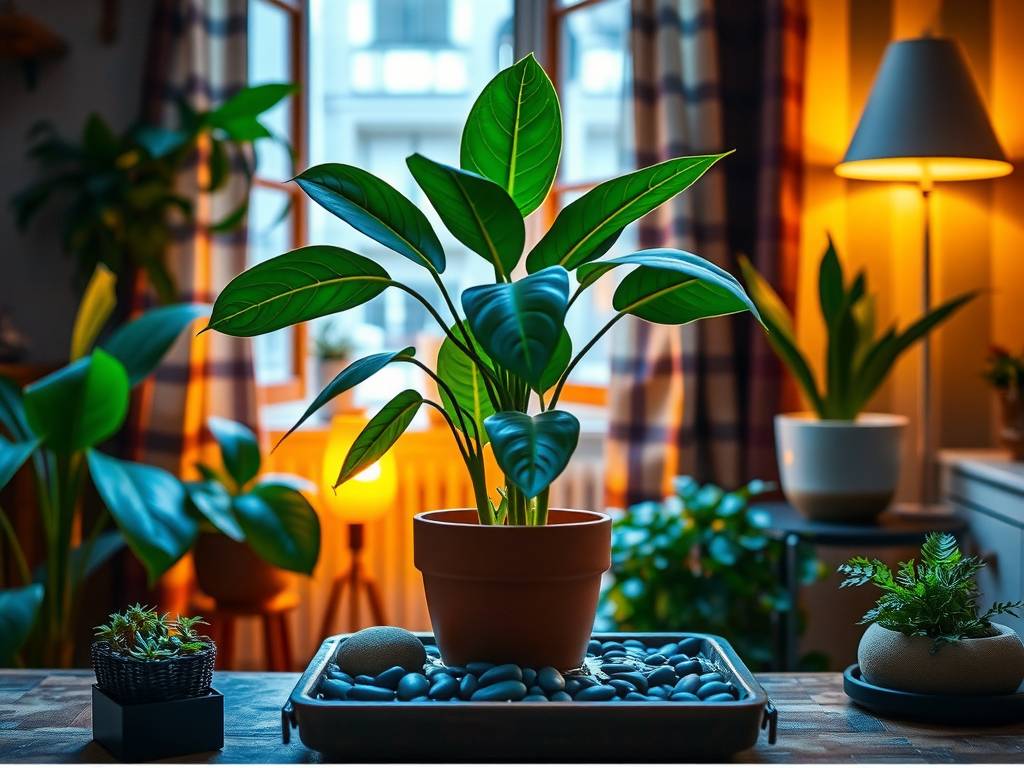
Ideal Temperature Range Aim to keep your philodendron in an environment between 65°F and 85°F (18°C - 29°C). This is typically easy to achieve in most comfortably heated homes. The key is consistency; avoid placing your plant near drafty windows, air conditioning vents, or heating radiators, as sudden temperature fluctuations can cause stress and leaf drop.
Signs of Temperature Stress If the temperature dips below 60°F (15°C), growth will slow significantly. Prolonged exposure to cold drafts can lead to blackened or mushy leaves—a sign of cold damage. On the other hand, while they enjoy warmth, intense direct heat sources can scorch leaves and dry out the plant too quickly.
Mastering the Art of Moisture: Watering and Humidity
This is the cornerstone of philodendron care. "Moist" does not mean "soggy." It refers to a balanced approach to both soil moisture and atmospheric humidity.
The Golden Rule of Watering Water your philodendron thoroughly when the top 1-2 inches of soil feel dry to the touch. Stick your finger into the potting mix; if it’s dry at that depth, it’s time to water. Pour water evenly over the soil until it begins to drain freely from the bottom of the pot. This ensures the entire root ball is hydrated. Crucially, never let your plant sit in a saucer of standing water. Empty the drainage tray after 15-20 minutes to prevent root rot, which is a leading cause of philodendron demise.
Choosing the Right Water Philodendrons can be sensitive to chemicals in tap water, such as chlorine and fluoride, which may cause brown leaf tips. For optimal health, use filtered water, rainwater, or leave tap water out overnight to allow some chemicals to dissipate before using it.
Boosting Humidity for Lush Leaves Our homes, especially in winter, are often too dry for tropical plants. To increase humidity:
- Group plants together to create a microclimate.
- Place your philodendron on a pebble tray filled with water (ensure the pot sits above the water line).
- Use a room humidifier nearby. This is the most effective method, as noted by horticulturists at the Royal Horticultural Society, who recommend 40-60% humidity for optimal tropical plant growth.
- Occasional misting can help, but it’s a temporary boost and not a substitute for other methods.
Light: The Partner to Warmth and Moisture
Light works hand-in-hand with your watering schedule. Philodendrons prefer bright, indirect light. Think of the light in a north or east-facing room, or a few feet back from a south or west-facing window filtered by a sheer curtain.
Low Light Adaptation and Consequences While famously tolerant of lower light, a philodendron in deep shade will grow very slowly and become leggy as it stretches for light. Its new leaves may be smaller and farther apart.
Avoiding Direct Sun Direct afternoon sun will scorch the delicate leaves, leaving brown, crispy patches. If you notice bleaching or scorching, move your plant to a shadier spot immediately.
Soil and Potting: The Foundation of Health
The right soil mix supports the warm and moist environment by retaining moisture while allowing excess water to escape.
The Perfect Potting Mix A well-aerated, peat-based potting mix is ideal. You can use a high-quality all-purpose indoor plant mix and enhance it by adding perlite or orchid bark to improve drainage. A good recipe is two parts potting mix to one part perlite.
When and How to Repot Repot your philodendron every 1-2 years in spring or early summer, or when you see roots circling the bottom of the pot or growing out of the drainage holes. Choose a new pot only 1-2 inches larger in diameter. Gently loosen the root ball, place it in the new pot with fresh soil, and water well.
Feeding for Growth
During the active growing season (spring and summer), feed your philodendron with a balanced, water-soluble fertilizer (such as a 20-20-20 formula) diluted to half strength, once a month. There is no need to fertilize in fall and winter when growth naturally slows. Over-fertilizing can lead to salt buildup in the soil, which can harm the roots.
Common Problems and Solutions
- Yellow Leaves: Often a sign of overwatering. Check your soil moisture and ensure the pot drains properly.
- Brown, Crispy Leaf Edges: Usually caused by low humidity, underwatering, or fluoride in water. Increase humidity and review your watering practices.
- Leggy Growth: Indicates insufficient light. Move your plant to a brighter location with indirect light.
- Pests: Keep an eye out for common houseplant pests like spider mites, mealybugs, and aphids. Wipe leaves regularly with a damp cloth and treat infestations early with insecticidal soap or neem oil.
Why are the leaves on my philodendron turning yellow? Yellow leaves are most commonly a cry for help from overwatered roots. Before watering, always check the soil moisture first. Ensure your pot has drainage holes and that you’re not letting the plant sit in water. Sometimes, yellowing can also indicate a need for fertilizer or, less commonly, underwatering.
Can my philodendron tolerate low light conditions? Yes, many philodendron varieties are adaptable to lower light, but they will not thrive. Growth will be slower, and the plant may become stretched and sparse. For the lushest, most compact growth with larger leaves, provide bright, indirect light.
How often should I mist my philodendron to raise humidity? Misting provides a very temporary spike in humidity and is not the most effective long-term solution. For consistent results that truly benefit your plant, grouping it with others, using a pebble tray, or investing in a humidifier are far superior methods to maintain the moist atmosphere it craves.
Caring for a philodendron is a rewarding journey of mimicking a tropical haven. By focusing on stable warmth, mindful watering, boosted humidity, and the right light, you create an environment where it can truly flourish. Observe your plant—it will tell you what it needs. With these principles as your guide, you’re well on your way to enjoying a robust, verdant philodendron that brings a touch of the rainforest into your daily life.