bluename
 How to Fix Silvery Spider-Mite Stippling on Tradescantia Fluminensis Leaves
If your Tradescantia fluminensis leaves suddenly look like someone dusted them with silver glitter, spider mites are almost certainly the culprit. I know that sickening feeling. I walked over to my brightest window one morning, coffee in hand, and saw my favorite inch plant glowing with a weird metallic sheen. That silvery spider-mite stippling on tradescantia fluminensis leaves is not a nutrient problem, not a light issue, and definitely not "just how the leaves age." It is tiny sap-sucking pests. The good news is that you can fix it, and I am going to walk you through exactly what I did over two weeks to bring my plant back. All you need is a shower head, a spray bottle, some insecticidal soap, and a little patience.
What Spider-Mite Stippling Actually Looks Like
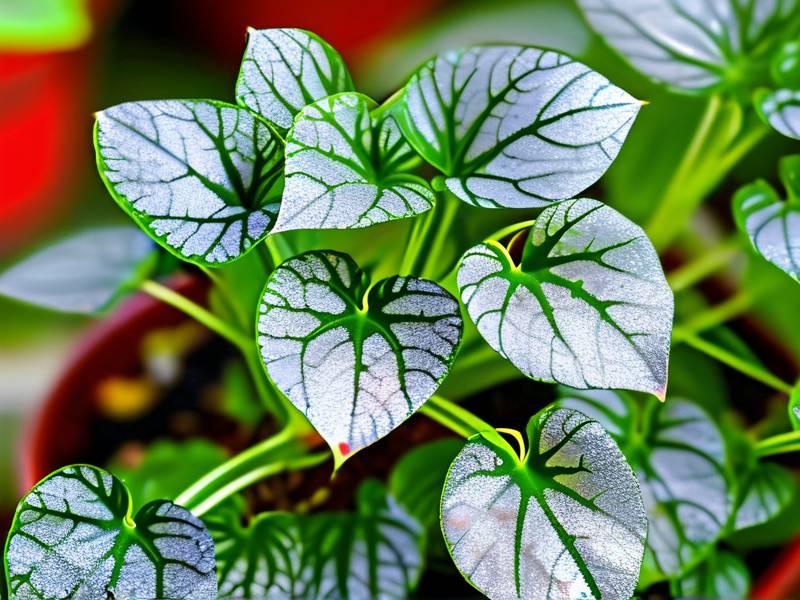
First, let's be really clear about the symptom. Spider mites are so small you often miss them. They feed by piercing leaf cells and drinking the contents. Each empty cell becomes an air pocket. Light bounces off those air pockets, and you see silver or pale dots. That is stippling. On Tradescantia fluminensis, the damage usually starts near the leaf base and along the midrib. Then it spreads outward. Hold the leaf up to a window. You will see a fine, dotted pattern. It looks like tiny bleach splatters. If you tap the leaf over white paper, you might see specks move. Those specks are mites. In heavy cases you also see webbing in the leaf joints. I have caught it early and late, and early is a totally different game.
Before I go further, I want to mention the source of a lot of my early knowledge. The RHS has a solid pest and disease guide that taught me how to distinguish mite damage from fungal issues. The AHS also has great general houseplant care advice. But honestly, most of what I know came from killing plants. I once lost three tradescantia cuttings in a row because I treated everything with neem oil while the real problem was dry air and too much sun. That mistake cost me months.
Why This Happens More Often Than You Think
Spider mites love dry, warm, indoor air. That is basically every home in winter. Heaters run. Windows stay closed. Humidity drops to desert levels. I live in a drafty old house, and my indoor humidity reads 28% in January. Mites breed like crazy in those conditions. A single female can lay hundreds of eggs in a week. You will not see most of them because eggs hide in leaf crevices and soil surface cracks. This is why the problem returns after you think you solved it. The first time I dealt with silvery stippling on tradescantia fluminensis, I sprayed once, felt proud, and then watched the damage double in five days. The eggs had hatched. Lesson learned.
There is also a watering angle here. I cannot count how many people write to me saying "I water my tradescantia every three days, why is it sick?" That frequency is usually a death sentence. In fact, 90% of indoor plants die from overwatering. It is not just about root rot. Overwatering creates a stressed plant. Stressed plants attract pests. Mites find weak plants first. So even though mites are the visible problem, the hidden problem is often a plant already struggling because its roots are drowning.
My Two-Week Fix: Step by Step
I want to give you the exact plan I used. I documented everything because I wanted to know what actually worked. This is not theory. This is what I did in my bathroom sink with drugstore supplies.
Day 1: Isolate and Shower
Move the plant away from all other houseplants. Mites crawl. I put mine on a tray in the bathtub. Then I used the shower head on a lukewarm setting. I held each leaf under the water and let the force knock mites off. I paid special attention to the undersides because that is where they hide. The water ran silvery at first from all the webbing and dust. I let the plant drip dry. No soap yet. Just water. Physical removal cuts the population by half immediately. This is the step most people skip. They go straight to chemicals. Do not do that. Water first.
Day 2: Insecticidal Soap Spray
I mixed insecticidal soap according to the label. I used a ready-to-use bottle because mixing concentrates wrong can burn leaves. I sprayed every surface, top and bottom, until dripping. Then I let it sit for about an hour. After that I rinsed the leaves with plain water. Soap residue can clog stomata if left on. I repeated this every three days for two weeks. That schedule matters because it breaks the egg-to-adult cycle. Mites hatch in three to five days in warm rooms. If you spray once a week, you miss the new generation. I sprayed on days 2, 5, 8, 11, and 14. I marked it on my calendar. That is how I finally beat them.
Day 3: Humidity Boost
I placed a small cool-mist humidifier near the plant. I also set the pot on a pebble tray with water. Spider mites hate humidity above 60%. I aimed for 65%. Within four days the remaining mites slowed down. I could see fewer moving specks. The stippling did not heal, of course. Damaged cells do not repair. But new growth started coming in clean. I checked every new leaf like a hawk. If I saw a single silver dot, I sprayed again. By day 10 I saw zero new damage. By day 14 the plant had two fresh, unblemished leaves.
What I Learned About the Three Biggest Beginner Mistakes
I have made every mistake in the book. I want to save you the time and the dead plants. Here are the three fatal errors I see over and over, plus what I do instead.
Mistake 1: Overwatering
I cannot say this enough. 90% of indoor plants die from overwatering. Tradescantia fluminensis is not a swamp plant. It likes evenly moist soil, not soggy soil. When I first started, I watered on a schedule. Every Sunday, water everything. That is a terrible idea. Now I stick my finger two inches into the soil. If it feels damp, I wait. If it feels dry, I water thoroughly until it runs out the drainage hole. I also empty the saucer after ten minutes. Standing water is a mite magnet because it stresses roots. Stressed roots mean stressed leaves. Stressed leaves mean pests.
Mistake 2: Wrong Light
Tradescantia fluminensis wants bright, indirect light. I once put mine in a south-facing window with no curtain. The leaves bleached and curled. I thought it was mites, but it was sunburn. Then I moved it to a dark corner. It grew leggy and pale. Mites moved in because the plant was weak. Now I use a sheer curtain or place it three feet back from a south window. East or west windows are often perfect. If you see stippling only on the sunniest side of the plant, your light is too intense. If you see stippling everywhere plus weak growth, your light is too low. Mites exploit both extremes.
Mistake 3: Wrong Pot
This one surprised me. I used to keep tradescantia in a pot that was way too big. The roots sat in wet soil for days. The plant looked sad. I blamed mites. The real issue was the pot. A pot that is too large holds too much water. A pot without drainage holes is a death trap. Now I use a pot that is only one inch wider than the root ball. I always use a pot with at least three drainage holes. Terracotta is great because it breathes. Plastic is fine if you are careful. But never, ever use a decorative pot without a nursery pot inside. I learned that after killing my fifth plant. Yes, fifth. I am not proud of it.
Natural and Low-Toxicity Options I Actually Tried
I prefer to avoid heavy chemicals indoors. I have pets and a curious toddler. So I tested several gentler options.
Neem Oil
Neem works as a repellent and growth regulator. It does not kill adult mites instantly. It makes them stop feeding and breeding. I mixed neem with warm water and a drop of castile soap. I sprayed every three days for two weeks. It worked, but it left a residue. I had to rinse the leaves the next morning. If you use neem, keep the plant out of direct sun for 24 hours or the leaves will burn. I learned that the hard way.
Diatomaceous Earth
I dusted a thin layer on the soil surface. It shreds mites that walk across it. It does nothing for mites on leaves. So it is a support tool, not a cure. It also looks ugly. I only use it for bad infestations now.
Predatory Mites
This sounds fancy but it works. You can buy Phytoseiulus persimilis online. They eat spider mites. I released them in my bathroom. They vanished in a week. The spider mites vanished too. This is expensive but great for severe cases. I only did it once because my local store rarely stocks them.
What About Systemics?
Systemic granules like imidacloprid work from the inside. The plant takes up the chemical and mites die when they feed. But systemics are controversial. They can harm pollinators if you move the plant outdoors. They also take weeks to work. I used them once on a huge infestation. The plant survived. But I felt uneasy. I now reserve systemics for last-resort cases. For most home gardeners, soap, water, and humidity are enough.
How to Check If You Actually Fixed It
Do not just look at the old leaves. Old damage stays silver forever. That is scar tissue. Look at new growth. If new leaves unfurl without silver dots, you are winning. I also do the white paper test every three days. I tap a leaf over a sheet of white paper. If I see moving specks, I spray again. If the paper stays clean for two full weeks, I call it done. I also wipe the windowsill and the pot rim with rubbing alcohol. Mites hide there. I once found a whole colony under the pot rim. That was a humbling day.
Prevention That Actually Works Long Term
Once you fix the infestation, you need to keep it from coming back. Here is my routine.
First, I keep a small humidity gauge near my tradescantia. If it drops below 50%, I run the humidifier. Second, I rinse the leaves every time I water. I just use a spray bottle and wipe them with a soft cloth. This removes dust and any stray mites. Third, I quarantine any new plant for two weeks. I put it in a separate room. I check it every other day. Fourth, I never overcrowd my plants. Good airflow is your friend. Mites love still, stuffy air. Fifth, I inspect the undersides of leaves once a week. It takes thirty seconds. That thirty seconds has saved me from three infestations this year alone.
A Note on Tradescantia Fluminensis Specifically
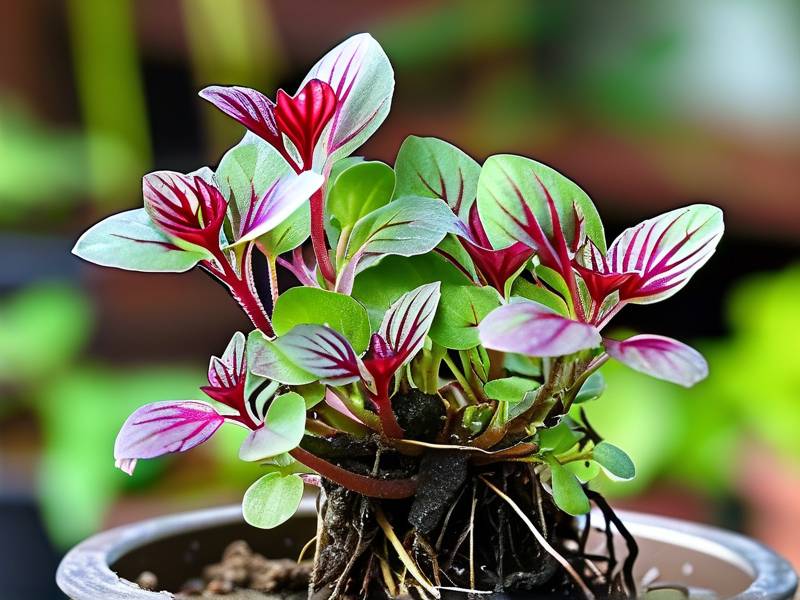
This plant is a trailing wonder. It grows fast. That speed is actually helpful. If mites damage a vine, you can cut it back hard. The plant will regrow from the base. I have chopped mine down to two inches twice. Both times it came back fuller and healthier. Do not be afraid to prune. Also, this plant roots easily in water. If you have a badly damaged vine, cut a healthy tip and root it in a clean glass of water. That gives you a backup plant. I always keep one backup cutting in a separate room. That way, if mites win one battle, I do not lose the war.
Frequently Asked Questions
Can silvery stippling heal on its own? No. The damaged cells are dead. The silver look is permanent on those leaves. But the plant can grow new, clean leaves if you stop the mites. I usually trim off the worst leaves so I can monitor new growth more easily.
Does dish soap work as well as insecticidal soap? No. Dish soap can strip the leaf's protective wax and cause burns. Insecticidal soap is formulated for plants. If you must use dish soap, use a tiny amount and rinse it off after an hour. I tried dish soap once. My plant lost half its leaves. Never again.
How do I know if mites are truly gone? Use the white paper test. Tap a leaf over white paper. If nothing moves for two weeks, you are clear. Also check new leaves for silver dots. No new dots means no active feeding. Keep humidity high and inspect weekly to stay ahead.
Final Thoughts from Someone Who Has Killed Many Plants
I wish I could tell you I fixed my tradescantia in one day. I did not. It took two full weeks of spraying, rinsing, and staring at leaves like a detective. But I did fix it. And you can too. The secret is not a magic spray. It is consistency. Water blasting. Soap every three days. Humidity up. No overwatering. No wrong light. No oversized pots. Remember that 90% of indoor plants die from overwatering, so put down the watering can and pick up the spray bottle. Your Tradescantia fluminensis will thank you with fresh, silver-free leaves. And if you slip up, that is okay. I have slipped up more times than I can count. The plant forgives you if you pay attention. Happy growing.