bluename
 How to Rescue Dying Plectranthus Verticillatus from Root-Rot Decay
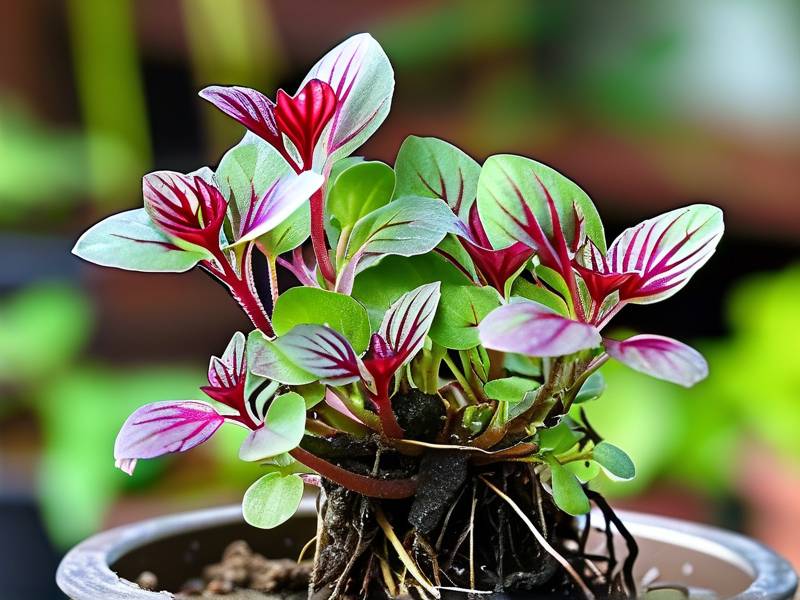
If your Plectranthus verticillatus has gone limp, yellow, and mushy at the base, root rot is almost certainly the culprit. The good news: you can often rescue it if you act fast. I've brought back three Swiss cheese vines from the brink, and I'll walk you through exactly what I did over two weeks, step by step. The honest truth is that 90% of indoor plants die from overwatering, and this plant is no exception.
Let me be blunt from the start. If the roots are brown and slimy and the stem is soft, you need to act today, not next weekend. Every day you wait, the rot spreads further up the plant.
Why Plectranthus Verticillatus Is So Prone to Root Rot
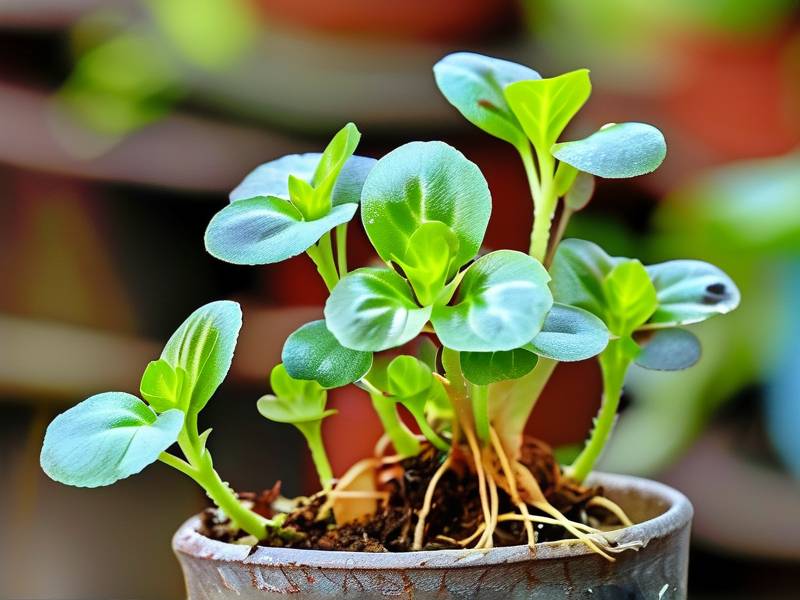
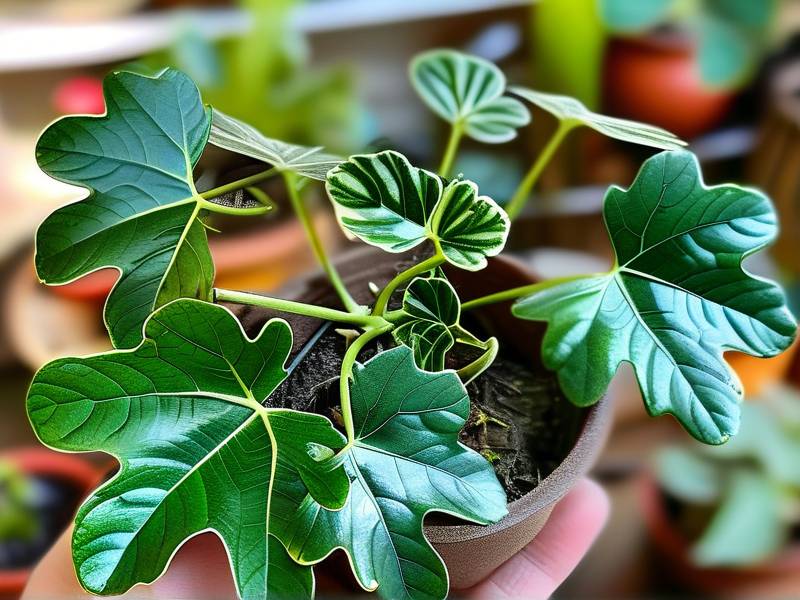
Plectranthus verticillatus, often sold as Swedish ivy or Swiss cheese vine, is a trailing semi-succulent. Its leaves store water. Its stems store water. So when you keep the soil constantly wet, the roots literally drown.
According to the RHS, most houseplant root problems come from poor drainage and overwatering. The AHS says the same thing in different words: roots need air pockets in the soil to function.
I learned this the hard way. Back in 2021, I killed a beautiful hanging basket of this plant because I treated it like a fern. Watered it every other day. Within three weeks, the whole thing collapsed.
The Three Deadly Mistakes New Growers Make
Most people who lose this plant make at least one of these errors. Some make all three.
Mistake One: Watering Too Often
I get it. The leaves look a little droopy, so you grab the watering can. But droopy leaves can mean too much water, not too little. With root rot, the roots can't absorb water anymore, so the plant wilts even in soggy soil. It's confusing, I know. Stick your finger two inches into the soil. If it's wet, do not water. Simple as that.
Mistake Two: Putting It in the Wrong Light
This plant wants bright, indirect light. Not deep shade. Not harsh afternoon sun. If you stick it in a dark corner, the soil stays wet forever because the plant isn't actively growing or using water. I tried keeping one in a north-facing bathroom once. Bad idea. The soil never dried out, and rot set in within ten days.
Mistake Three: Using the Wrong Pot
This one gets overlooked constantly. A pot without drainage holes is a death sentence for Plectranthus verticillatus. I don't care how pretty that ceramic cachepot is. If water can't escape, roots sit in a swamp. Also, a pot that's way too big holds way too much moisture around the roots. I've made both mistakes. Learned my lesson.
Step-by-Step Rescue Plan: What I Actually Did
Here's the exact process I used on my most recent rescue. I'm not sugarcoating it. It's messy and a little stressful, but it works.
Step 1: Pull the Plant Out and Assess the Damage
Take the plant out of its pot. Gently shake off the wet soil. Now look at the roots. Healthy roots are firm and whitish or tan. Rotten roots are brown, black, mushy, and they smell bad. Really bad. Like decay.
Grab clean scissors or pruners. Sterilize them with rubbing alcohol. Cut away every single rotten root. Don't be timid. If a root squishes between your fingers, it's gone. Cut it back to healthy tissue.
Step 2: Trim the Top Growth Too
This part hurts. If a lot of roots are gone, the plant can't support all that foliage. I had to cut back about half the vines on my rescue plant. Use clean scissors. Cut just above a leaf node. You can propagate those cuttings in water as a backup. I did exactly that, and two of the cuttings rooted within twelve days.
Step 3: Repot in Fresh, Fast-Draining Mix
Throw away the old soil. It's full of rot pathogens. I mix my own blend: two parts potting soil, one part perlite, one part orchid bark. You can also buy a cactus/succulent mix and add extra perlite. The goal is a mix that drains fast and lets air reach the roots. Use a pot with drainage holes. Terra cotta is great because it wicks moisture away.
Step 4: Wait Before You Water
This is critical. After repotting into dry-ish mix, do not water for two or three days. Let any cut roots callous over. I know it feels wrong. You just repotted a stressed plant, and every instinct says "water it." Don't. I ignored this advice once, and the plant rotted again within a week.
Step 5: Place It in Bright, Indirect Light
Put the rescued plant somewhere with good airflow and bright, filtered light. Not direct sun. Not a dark corner. Near an east-facing window is ideal. I placed mine about three feet back from a south window with a sheer curtain.
My Two-Week Observation Log
I kept notes. Here's what actually happened.
Days 1–3: The plant looked terrible. Limp. I questioned everything. No watering. Just left it alone.
Days 4–7: I gave it a light watering on day four. Just enough to moisten the mix, not soak it. By day six, one stem that I'd left untrimmed turned black. I cut it off immediately. The rest of the plant stayed stable. No new yellowing.
Days 8–10: Tiny new leaves appeared near the base. I couldn't believe it. I watered again on day nine, only after checking that the top two inches of soil were dry.
Days 11–14: New growth continued. The remaining stems perked up slightly. Not perfect, but clearly alive. By day fourteen, I knew the plant would make it.
What I'd Do Differently Next Time
For starters, I'd repot sooner. I waited four days after noticing symptoms on one plant, and I lost more roots than necessary. I also wish I'd used a smaller pot from the beginning. A pot that's too large is a moisture trap. Contact time with wet soil matters. More soil volume means more water hanging around the roots.
Another thing: I now keep a moisture meter in my Plectranthus pot. It's not foolproof, but it stops me from guessing. I also water from the bottom when possible, letting the plant drink what it needs and pouring off the excess.
Preventing Root Rot Going Forward
Honestly, prevention is way easier than rescue. Water only when the top inch or two of soil is dry. In winter, cut back watering dramatically. This plant goes semi-dormant in low light. It needs far less water than in summer.
Fertilize lightly during the growing season. Over-fertilizing can burn roots and make them more vulnerable to rot. I feed mine once a month with diluted liquid fertilizer from spring through early fall. Nothing in winter.
Also, rotate the plant occasionally. This helps all sides get light and prevents one side from sitting in damp shade. And don't let the pot sit in a saucer of water. Empty it after ten minutes.
When to Give Up and Start Over
Sometimes the rot wins. If the main stem is black and mushy all the way up, and there's no healthy tissue left, it's over. But don't throw everything away. Take healthy cuttings from the tips. Root them in water or moist perlite. You'll have a new plant in a few weeks.
I've done this twice. It feels like a defeat, but it's really just a reset. Plectranthus verticillatus roots so easily from cuttings that you almost always have a second chance.
Frequently Asked Questions
Can I save a plant with root rot without repotting?
No. If the roots are rotting, the soil is the problem. You have to remove the rotten roots and replace the soil. There's no shortcut.
How long does it take for a rescued plant to recover?
In my experience, you'll see new growth within two to three weeks if the plant has enough healthy roots left. Full recovery takes a couple of months. Be patient.
Should I use hydrogen peroxide on the roots?
I've tried it. A diluted solution (one part 3% hydrogen peroxide to two parts water) can help disinfect minor rot. But it's not a miracle cure. If the roots are badly damaged, peroxide won't save them. Proper trimming and fresh soil matter far more.
Final Thoughts
Rescuing a Plectranthus verticillatus from root rot is doable, but it takes quick action and a willingness to be ruthless with the scissors. Cut away the rot, repot in fast-draining mix, hold back on water, and give it bright indirect light. Watch it closely for two weeks. You'll know by then whether you've won.
And remember, the best rescue is the one you never need. Water less. Use a pot with drainage. Let the soil dry out between waterings. Your plant will thank you.