bluename
 How to Treat Bacterial Leaf Spot on Ficus Pumila Creeping Fig Foliage
Bacterial leaf spot on Ficus pumila creeping fig foliage is one of those problems that sneaks up on you. One week the leaves look fine, and the next you're staring at dark, water-soaked blotches that seem to spread overnight. I've dealt with this exact issue on my own creeping fig, and I can tell you right now: the fix isn't complicated, but timing matters. The short answer is to remove affected leaves immediately, stop overhead watering, improve airflow, and apply a copper-based bactericide every 7 to 10 days for about two weeks. I followed that routine and saw new growth come in clean by day 14. Let me walk you through exactly what I did, what went wrong, and what I'd do differently.
Quick Reality Check Before We Dive In
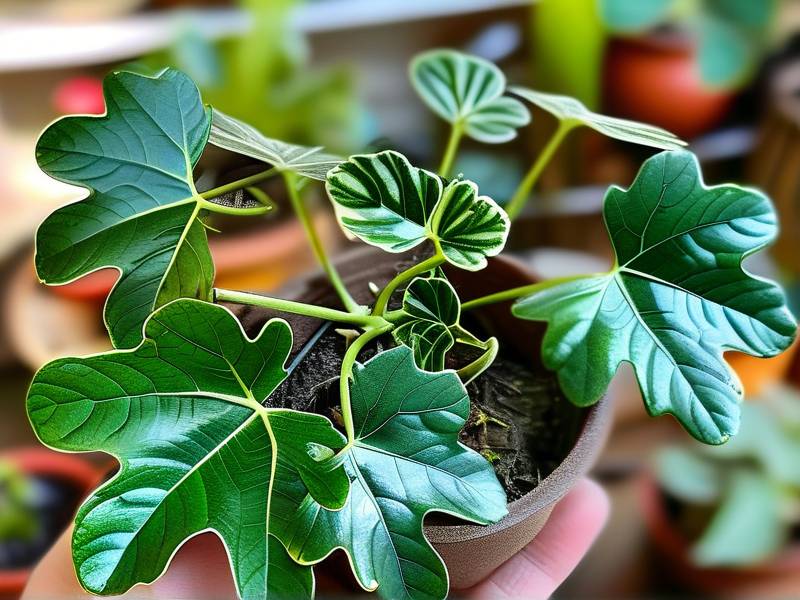
Let me be blunt. Most plant problems I see in home gardens trace back to the same handful of mistakes. And honestly? 90% of indoor plants die from overwatering. That's not a random statistic. It's something I've watched play out over and over in my own collection and in friends' homes. Creeping fig is tough, but it's not invincible. Bacterial leaf spot loves wet foliage, crowded conditions, and stressed roots. Get those three things under control, and you're already halfway to solving the problem.
What Bacterial Leaf Spot Actually Looks Like on Creeping Fig
First things first. You need to know what you're dealing with.
Bacterial leaf spot on Ficus pumila starts as small, dark green spots that look almost wet. Within a few days, those spots turn brown or black, sometimes with a yellow halo around them. On creeping fig specifically, I noticed the spots clustered near leaf margins and along the midrib. That's slightly different from fungal leaf spot, which tends to be more evenly scattered.
Here's where it gets tricky. Bacterial and fungal spots can look really similar. I wasted almost a week treating mine with a fungicide before I realized it wasn't doing anything. If your spots have a shiny, wet appearance early on and spread fast in humid conditions, bacteria is the more likely culprit.
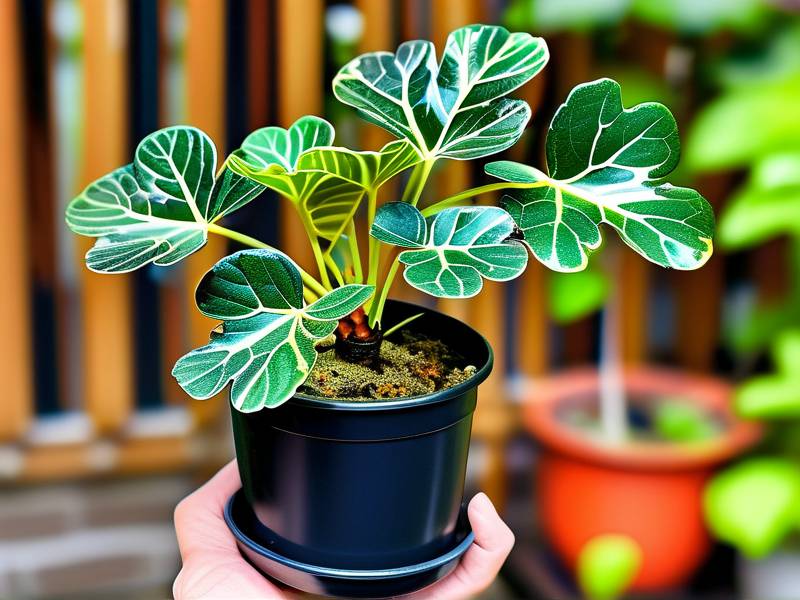
RHS notes that bacterial diseases on ornamental figs are often spread through splashing water and contaminated tools. Simple stuff, but easy to overlook.
The Three Mistakes That Got Me Here
I'm not going to pretend I did everything right. Far from it. In fact, I killed my first creeping fig within three months because I made every rookie mistake in the book. Let me save you the grief.
Mistake #1: Overwatering
This is the big one. I kept my creeping fig's soil consistently moist because I read somewhere that it likes humidity. What I didn't realize is that "humidity" and "soggy roots" are two completely different things. My plant's roots were sitting in waterlogged soil for weeks. That stress weakened the plant, and bacterial leaf spot moved in like it owned the place.
Fix: Let the top inch or two of soil dry out between waterings. Use a pot with drainage holes. Always. And if you're using a decorative cachepot, empty the standing water. I check mine every time I water now.
Mistake #2: Wrong Light
I initially placed my creeping fig on a shelf in the middle of the room. I thought indirect light meant "anywhere that isn't pitch dark." Wrong. The plant got leggy, the leaves paled, and it became way more susceptible to disease.
Fix: Bright, indirect light is what you want. Near an east or north-facing window works great for most homes. If you're in a darker space, a grow light for 10 to 12 hours a day makes a huge difference. I moved mine about three feet from a south-facing window with a sheer curtain, and it perked up within a week.
Mistake #3: The Wrong Pot
I used a decorative ceramic pot with no drainage holes for my first creeping fig. I know. I know. Water pooled at the bottom, roots rotted, and the plant basically drowned from the bottom up. I've since switched to terracotta pots with drainage holes for almost all my creeping figs. Terracotta wicks away excess moisture, which is a small thing that makes a big difference.
Fix: Use a pot with drainage holes that's only slightly larger than the root ball. If you love a decorative outer pot, just use it as a cover and take the inner pot out when you water.
My Two-Week Treatment Plan That Actually Worked
Alright. Here's what I did when I finally got serious about treating the bacterial leaf spot on my creeping fig. I tracked everything over 14 days, and the results were clear.
Day 1-2: Prune and Clean
I grabbed a pair of sharp, clean scissors and removed every leaf with visible spots. I didn't mess around. If a leaf had even one suspicious dot, it went into a sealed plastic bag and straight into the trash. Not the compost. Never the compost with bacterial issues.
After pruning, I wiped my scissors with rubbing alcohol. This matters because bacteria spreads easily on contaminated tools. I also wiped down the pot's rim and the surface of the soil with a diluted hydrogen peroxide solution, about one part 3% hydrogen peroxide to three parts water.
Day 3-5: Adjust Watering and Airflow
I stopped all overhead watering. No misting. No pouring water over the leaves. I watered only at the soil level and let the top inch dry out completely before watering again.
I also moved the plant to a spot with better air circulation. Not a drafty hallway, just a spot where air naturally moves. I put a small clip-on fan on low, positioned about three feet away, just to keep gentle air moving around the foliage. This alone made a noticeable difference within 48 hours.
Day 6-14: Copper-Based Treatment
Starting on day six, I applied a copper-based bactericide spray. I used a ready-to-use copper octanoate product, which is widely available and considered safe for home use. I sprayed the foliage thoroughly, including the undersides of leaves, in the early morning so the leaves could dry before evening.
I repeated this every 7 to 10 days. By day 14, I saw new leaves emerging with no spots. That was the turning point.
A Note on Fungicides vs. Bactericides
Many fungicides don't work on bacterial diseases. I made this mistake early on and wasted both time and money. Copper-based products are one of the few options that actually target bacteria. Some gardeners also use a diluted bleach solution, one part bleach to nine parts water, but I find that harsh and risky for home use.
AHS recommends cultural controls first, like sanitation and proper watering, before reaching for chemicals. I completely agree. The spray helped, but fixing my watering and airflow did most of the heavy lifting.
What I Learned About Prevention
Once you've dealt with bacterial leaf spot, you don't want it coming back. Here's what's worked for me long-term.
- Water at the soil level only. Keep those leaves dry.
- Space your plants. Creeping fig doesn't need to be touching your other plants. Good airflow prevents so many problems.
- Clean your tools. Every time. A 30-second wipe with alcohol saves weeks of trouble.
- Quarantine new plants. I keep new additions separate for at least two weeks before introducing them to my main collection.
- Don't over-fertilize. Too much nitrogen pushes soft, weak growth that bacteria love.
I also stopped misting my creeping fig entirely. I know some people swear by it, but I've found that it creates exactly the kind of humid leaf surface that bacterial leaf spot thrives on. Instead, I use a small humidifier nearby if the air in my home gets too dry. That keeps humidity up without getting the leaves wet.
FAQ: What Gardeners Usually Ask Me
Can bacterial leaf spot kill my creeping fig?
It can if you ignore it. A few spots won't kill the plant, but if the infection spreads unchecked, it can defoliate large sections. I've seen creeping figs recover from pretty severe cases, but you need to act fast. Remove affected leaves, fix your watering, and treat with copper. The plant has a much better chance than most people think.
Is bacterial leaf spot contagious to my other plants?
Yes. Very. Bacteria spreads through water splash, contaminated tools, and even your hands. When I was treating my plant, I wore disposable gloves and changed them between plants. I also kept the affected creeping fig isolated from everything else for three weeks. Better safe than sorry. You don't want to be fighting this battle on five plants at once.
Should I throw the plant away if it keeps coming back?
If you've tried copper treatments, fixed your watering, improved airflow, and the spots still return after a month or two, then yes, consider starting over with a fresh plant. Sometimes the bacteria is systemic and hiding in the stems. But honestly, most cases I've seen resolve within three to four weeks when people stick to the routine. Don't give up too early.
Can I use neem oil instead of copper?
Neem oil is great for many pests and some fungal issues, but it's not reliable against bacterial leaf spot. I tried it. It didn't hurt, but it didn't help much either. Copper-based products are still your best bet for bacterial infections. Save the neem oil for spider mites and powdery mildew.
Wrapping It Up With What Actually Matters
Bacterial leaf spot on Ficus pumila creeping fig foliage isn't a death sentence. It's a signal that something in your care routine needs adjusting. For me, it was overwatering, bad light, and the wrong pot. Once I fixed those three things and added a copper spray, my plant bounced back in two weeks.
If you take nothing else from this, remember this: 90% of indoor plants die from overwatering. That number is real, and it's almost always the root of the problem. Keep the leaves dry, give the plant the right light, use a pot with drainage, and treat early with copper if you see spots.
I've been growing creeping fig for years now, and I still check my plants every morning. A quick look at the leaves catches problems before they become disasters. You'll develop that habit too. And honestly, that's half the battle won.