bluename
 How to Eliminate Bougainvillea Glabra Sooty-Mold from Scale Insects
Sooty-mold on a bougainvillea glabra almost always means one thing: scale insects are feeding on your plant and excreting honeydew. That sticky, sugary waste coats the leaves, and a black fungus grows right on top of it. The good news is you don't need a chemistry lab to fix this. You need to kill the scale, remove the honeydew, and stop the mold from coming back. I've done this on my own patio bougainvillea, and it took me about two weeks of steady work to see real improvement. Let me walk you through exactly what I did, what I got wrong, and how you can clean up your plant without losing your mind.
The first time I dealt with this, I panicked. I saw black leaves and assumed the plant was dying. It wasn't. It was just dirty. The mold itself doesn't feed on the plant tissue. It feeds on the honeydew. So the real enemy is the scale insect hiding underneath.
Quick Answer: To eliminate bougainvillea glabra sooty-mold from scale insects, first treat the scale with horticultural oil or insecticidal soap, then gently wash the black mold off the leaves with a mild soapy water solution, and finally correct your watering, light, and pot setup so the plant stops stressing out. Repeat every 7 to 10 days for at least two weeks.
Why Sooty-Mold Shows Up on Bougainvillea Glabra
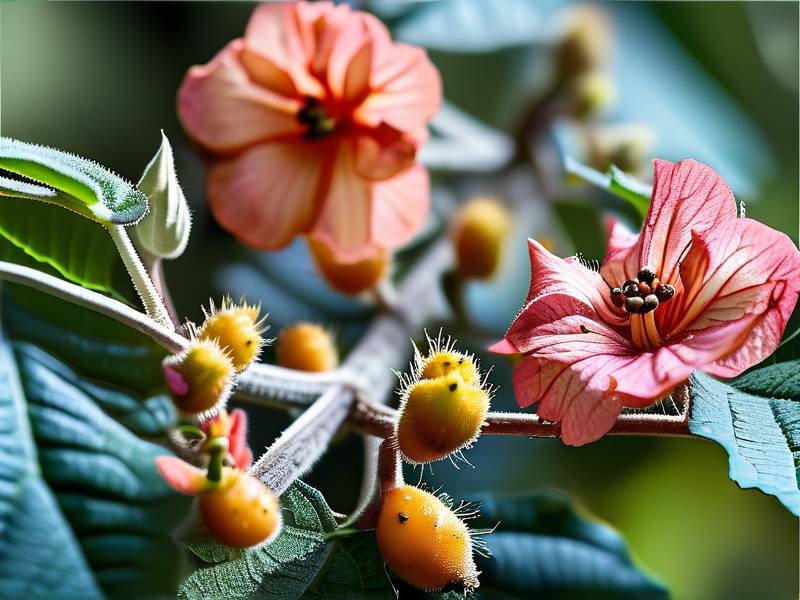
Scale insects are tiny. Many of them don't even look like bugs. They look like little brown or tan bumps stuck to stems and the undersides of leaves. They pierce the plant and drink the sap. Then they poop out honeydew.
That honeydew drips onto leaves below. A black fungus called sooty-mold lands on it and starts growing. You get a thin black film that wipes off with your finger but comes back fast if the scale is still there.
Here's the thing: the mold is a symptom, not the disease. If you only wash the leaves, the scale keeps producing honeydew, and the mold returns in days. I learned that the hard way.
The RHS notes that sooty-mold is often a sign of sap-sucking pests like scale, aphids, or whitefly. They also point out that the mold itself is rarely fatal, but it blocks light and weakens the plant over time. The AHS adds that good air circulation and proper watering go a long way toward preventing repeat outbreaks.
So the plan is simple: kill the scale, clean the mold, fix the growing conditions.
Step 1: Confirm It's Scale, Not Something Else
Before you spray anything, flip a few leaves over. Look at the stems too.
Scale on bougainvillea glabra usually looks like:
- Small brown or gray oval bumps
- Clusters along stems and leaf veins
- A sticky shine on leaves
- Ants crawling around (ants farm scale for honeydew)
- Black film on upper leaf surfaces
If you scrape one of those bumps with a fingernail, it might smear. That's scale. If it's dry and flaky, it might be something else, but scale is the usual suspect.
I once mistook scale for normal stem texture. I ignored it for three weeks. By the time I acted, half the plant was black. Don't do that.
Step 2: Treat the Scale Insects First
You can't skip this. The mold will keep coming back until the scale is gone.
What I Used
I used a ready-to-use horticultural oil spray. You can also use insecticidal soap. Both work by smothering the scale. They don't poison it. That's actually good for indoor or patio use.
Spray in the evening. Spray the undersides of leaves. Spray the stems. Spray until it drips. Don't do this in full sun or you'll fry the leaves.
I repeated every 7 days for two weeks. Three applications total.
What I Tried That Didn't Work
I tried wiping scale off with a cotton swab dipped in rubbing alcohol. That works for a few visible bugs, but it's useless for a full infestation. I spent an hour and got maybe 10% of them. Not worth it unless you only have a tiny outbreak.
I also tried a homemade dish soap spray. It burned the leaves. Dish soap is not the same as insecticidal soap. Don't use it.
The Two-Week Observation
Day 1: Sprayed everything. The plant looked wet and sad.
Day 4: Still saw a few scale bumps. Panicked a little.
Day 7: Second spray. Fewer live scale. The black mold was still there but not spreading.
Day 10: Third spray. I scraped a few stems. The scale was dead and dry.
Day 14: No new honeydew. No new mold growth. That's when I knew I was winning.
Step 3: Remove the Sooty-Mold Itself
Once the scale is dead, the mold is just a stain. You can wash it off.
I mixed a few drops of mild liquid soap in a bowl of lukewarm water. I dipped a soft cloth in it and gently wiped each leaf. Top and bottom.
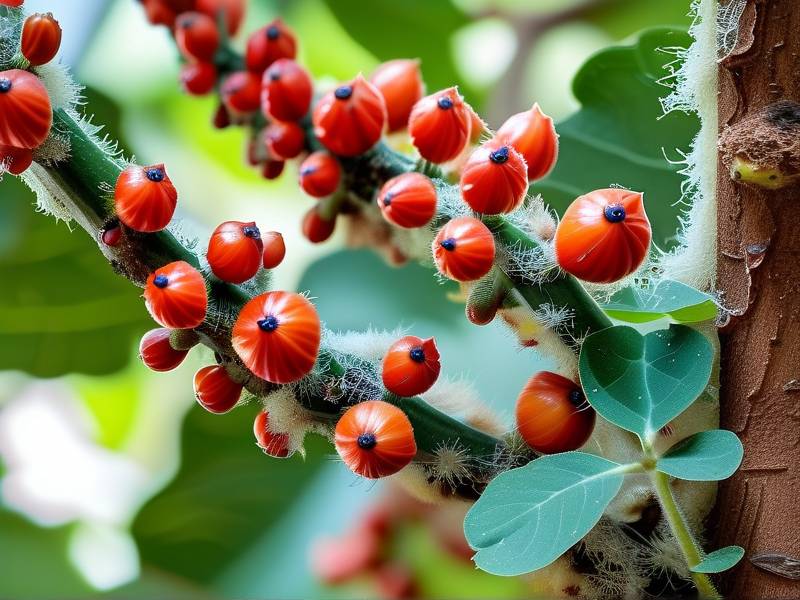
Don't scrub hard. Bougainvillea leaves are thin. You'll tear them.
For stems, I used a soft toothbrush. Light strokes. The black film came off in streaks.
Then I rinsed the whole plant with clean water. I let it dry in a shaded spot. If you leave soap residue, it can attract dust and look worse.
I did this wipe-down twice over four days. The second time, almost nothing came off. That's how I knew the mold was done.
Step 4: Fix the Three Big Mistakes That Caused This
This is the part most people skip. If you don't fix the growing conditions, scale comes back. And so does the mold.
I've killed more plants than I want to admit. Almost all of them died from the same three mistakes. Here they are, in order of how often I see them.
1. Overwatering
90% of indoor plants die from overwatering. That's not a made-up stat. It's the single most common killer.
Bougainvillea glabra hates soggy roots. It wants to dry out between waterings. If the soil stays wet, the plant stresses. Stressed plants attract pests. Pests make honeydew. Honeydew makes mold.
I used to water on a schedule. Every Sunday. That was a mistake. Now I stick my finger two inches into the soil. If it's dry, I water. If it's not, I wait.
I also learned to water until it runs out the drainage holes. Then I empty the saucer. Sitting water is a death sentence.
2. Light Misplacement
Bougainvillea glabra needs full sun. Not bright indirect light. Not a shady corner. Full sun. At least six hours a day.
I once put mine on a north-facing patio because I thought it looked nice. It dropped leaves in a week. The scale moved in two weeks later.
If you're growing this indoors, put it in your sunniest window. South-facing if you're in the northern hemisphere. If it's not getting enough light, it will tell you. Stems get leggy. Leaves pale. Growth slows.
Weak plants get pests. Strong plants fight them off.
3. Wrong Pot
This one surprised me. I had my bougainvillea in a decorative pot with no drainage holes. I thought I was being careful with water. I wasn't. Water pooled at the bottom. Roots rotted. The plant got weak. Scale showed up.
Now I use a terracotta or unglazed ceramic pot with at least one large drainage hole. Terracotta breathes. It wicks away extra moisture. It's not pretty, but my plant is alive.
Also, don't go too big. A pot that's too large holds too much soil. Too much soil holds too much water. Match the pot to the root ball. You can size up every two years.
Step 5: Prevent Scale and Sooty-Mold from Coming Back
Once you've cleaned up the plant, you need to keep it clean. Here's my routine.
Check weekly. Flip leaves. Look at stems. Catch scale early. One minute a week saves you two hours of scrubbing later.
Keep leaves dry. Scale and mold like humidity. Water the soil, not the leaves. If you mist, do it in the morning so leaves dry by evening.
Improve air circulation. If your plant is crowded against a wall or other plants, give it space. A small fan on low can help indoors. Stagnant air is mold's best friend.
Quarantine new plants. I learned this after bringing home a nursery plant with scale. It spread to three others. Now every new plant sits alone for two weeks.
Prune if needed. If a branch is heavily infested and you can't clean it, cut it off. Sterilize your pruners with rubbing alcohol between cuts. Throw the infested branch in the trash, not the compost.
What I'd Do Differently Next Time
I'd act faster. I waited too long because I didn't want to believe I had a pest problem. That cost me weeks.
I'd also skip the homemade sprays. Horticultural oil and insecticidal soap are cheap and they work. DIY mixes are a gamble.
And I'd fix the pot and watering situation first. I treated the scale before I fixed the overwatering. The scale came back once. I treated it again. Then I fixed the water. It hasn't come back since.
A Note on Patience
This isn't a one-day fix. Scale has a life cycle. Eggs hatch. New bugs appear. That's why you repeat treatments every 7 to 10 days for at least two weeks. Some people need three or four weeks.
The mold will stop growing within days of the scale dying. But the black stains stay until you wash them off. And new leaves won't have mold if the scale is gone.
I know it's frustrating. I've been there. But bougainvillea glabra is tough. If you give it sun, drainage, and a little attention, it bounces back.
Frequently Asked Questions
Can I just cut off all the black leaves and be done?
No. The mold is on the surface, but the scale is still on the stems and remaining leaves. If you only remove black leaves, the scale keeps producing honeydew, and new leaves get moldy too. Treat the scale first. Then clean or remove the damaged leaves.
Is sooty-mold dangerous to my other plants?
The mold itself won't jump to other plants unless they also have honeydew on their leaves. But the scale insects will spread. Keep the infested plant away from others until you've treated it for at least two weeks. Check your other plants weekly for scale.
How long until my bougainvillea looks normal again?
If the plant was healthy before the infestation, you'll see new clean growth within three to four weeks. The old black stains won't disappear on their own. You have to wash them off. If the plant was already weak from overwatering or low light, it may take longer. Fix the growing conditions and be patient.
Final Thoughts
Sooty-mold on bougainvillea glabra is a mess, but it's not a mystery. Scale insects cause it. Kill the scale, wash off the mold, and fix your watering, light, and pot setup. Do that for two weeks, and you'll see the difference.
Don't panic. Don't reach for harsh chemicals. And please, don't water on a schedule. Your plant will thank you.