bluename
 How to Care for Pellionia Repens? Bright Filtered Light Care Essentials
Is your Pellionia repens losing its vibrant, watermelon-like leaf colors, becoming leggy, or showing signs of scorch? The culprit is often incorrect lighting. Mastering the art of providing bright filtered light is the single most critical factor in unlocking the stunning, trailing beauty of this unique foliage plant. Often confused with its cousin, the watermelon peperomia, Pellionia repens, or trailing watermelon begonia, has specific needs that, when met, result in a spectacular cascade of textured, colorful leaves. This guide will demystify how to care for Pellionia repens by zeroing in on the essential light requirements and the interconnected care practices that follow.
Understanding Pellionia Repens' Native Habitat
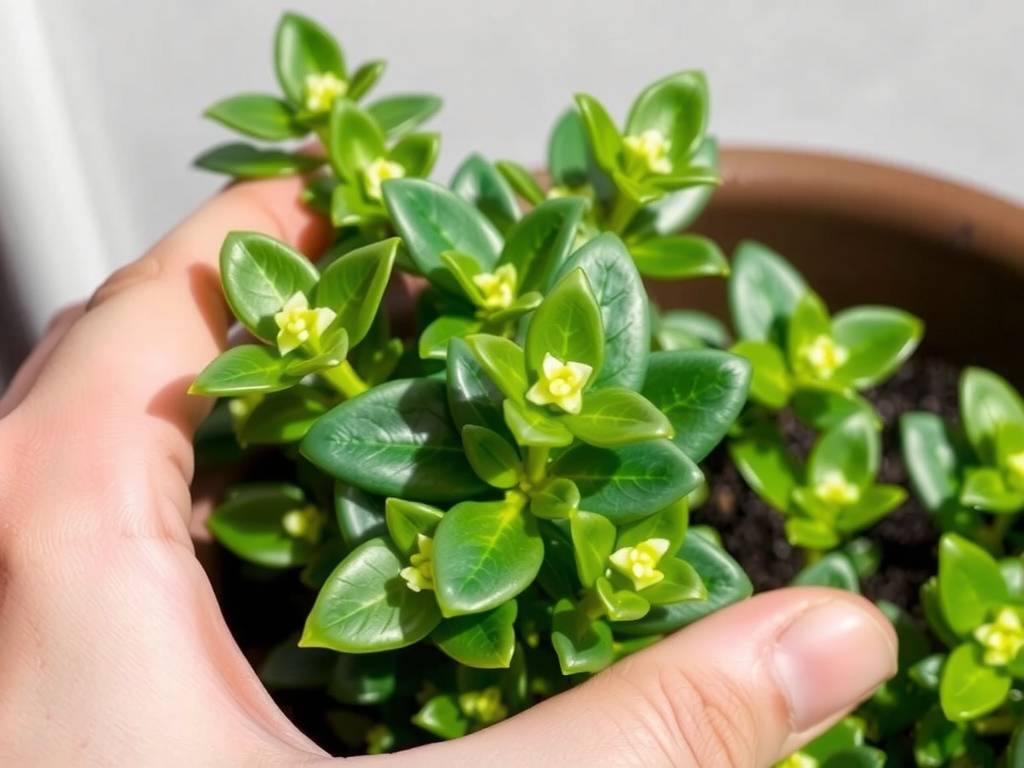
To replicate ideal conditions, we look to its origins. Pellionia repens hails from the forest floors and rocky outcrops of Southeast Asia and Vietnam. Here, it thrives under the dense canopy of taller trees. This environment provides a key clue: it is never exposed to the harsh, direct rays of the sun. Instead, it basks in dappled sunlight—patches of bright but gentle light that filters through the leaves above. This is what we aim to recreate in our homes: consistent, indirect bright light.
What Exactly is "Bright Filtered Light"?
This term can be abstract. Let's make it tangible. Bright filtered light means a spot where the plant receives ample ambient light all day, but the sun's rays never directly hit the foliage.
- Ideal Locations: An east-facing window is often perfect, offering gentle morning sun. A few feet back from a south or west-facing window, shielded by a sheer curtain, is also excellent.
- The Hand Shadow Test: A reliable method is to hold your hand about a foot above the plant during the brightest part of the day. A soft, fuzzy shadow indicates good filtered light. A sharp, defined shadow means the direct sun is too strong.
- Signs of Insufficient Light: If your Pellionia becomes leggy (long stems with wide spaces between leaves), its stunning silver and green veins fade, or growth slows to a crawl, it is begging for more light.
- Signs of Too Much Direct Light: The opposite problem manifests as scorched, crispy brown patches on the leaves, or a general washed-out, bleached appearance. The leaves may also curl inward to reduce surface area.
The Interconnected Care Triangle: Light, Water, and Humidity
Light doesn't operate in a vacuum. It directly influences your watering routine and heightens the need for humidity, forming the core care triad for a thriving Pellionia.
Watering in Harmony with Light Your Pellionia repens watering schedule is dictated by light exposure. Under bright filtered light, the plant photosynthesizes actively and uses water more efficiently. The goal is to maintain evenly moist soil—think of a well-wrung sponge—but never soggy.
- Check the Soil: Before watering, insert your finger into the top inch of soil. If it feels dry, it's time to water thoroughly until it runs from the drainage holes.
- Seasonal Adjustments: In brighter summer months, watering may be more frequent. In lower-light winter conditions, allow the soil to dry out a bit more between sessions to prevent root rot.
Why Humidity is Non-Negotiable In its native jungle understory, the air is perpetually moist. Our homes, especially with air conditioning or heating, are often arid deserts by comparison. Maintaining high humidity for Pellionia prevents the delicate leaf tips from browning and promotes lush, supple growth.
- Simple Solutions: Place the pot on a pebble tray filled with water (ensure the pot sits above the waterline). Grouping it with other humidity-loving plants creates a beneficial microclimate.
- The Gold Standard: Using a room humidifier nearby is the most effective and consistent method. As noted by horticulturist and author Jane Perrone in her studies of tropical understory plants, "consistent ambient humidity is often more critical than perfect watering for preventing stress in delicate foliage plants like Pellionia."
Supporting Practices for Optimal Health
The Right Foundation: Soil and Potting A well-draining, airy potting mix is crucial. A standard houseplant soil amended with perlite and orchid bark (a 2:1:1 ratio works well) provides the drainage needed to support a "moist but not wet" regimen. Always use a pot with drainage holes.
Feeding for Vibrant Foliage During the active growing season (spring and summer), feed your Pellionia repens a balanced, water-soluble fertilizer diluted to half-strength every 4-6 weeks. This supports the vibrant growth encouraged by your perfect bright indirect light setup. Refrain from fertilizing in fall and winter when growth slows.
Pruning and Propagation Don't be afraid to prune! Regularly pinching back the growing tips encourages bushier, fuller growth and prevents a sparse appearance. Those cuttings are a treasure—they root effortlessly in water or moist soil, allowing you to expand your collection or share with friends.
Troubleshooting Common Pellionia Repens Issues
- Leggy Growth with Small Leaves: This is a classic plea for more light. Gradually move it to a brighter location with filtered light.
- Yellowing, Drooping Leaves: Often a sign of overwatering, especially in lower light conditions. Check soil moisture and ensure the pot drains freely.
- Brown, Crispy Leaf Edges: Typically caused by low humidity or inconsistent watering (allowing the soil to dry out completely too often). Increase humidity and check your watering consistency.
Frequently Asked Questions
Can Pellionia repens tolerate low light? While it may survive in lower light, it will not thrive. Growth will become very slow, stems will stretch unattractively, and the beautiful leaf variegation will fade, resulting in a mostly green, less vibrant plant. For the iconic watermelon trailing effect, bright filtered light is essential.
How often should I mist my Pellionia to increase humidity? Misting provides only a very temporary spike in humidity and is not a substitute for more stable solutions like a pebble tray or humidifier. In fact, frequent misting can sometimes promote fungal issues on the leaves if they don't dry quickly. Focusing on ambient humidity is a more effective long-term strategy.
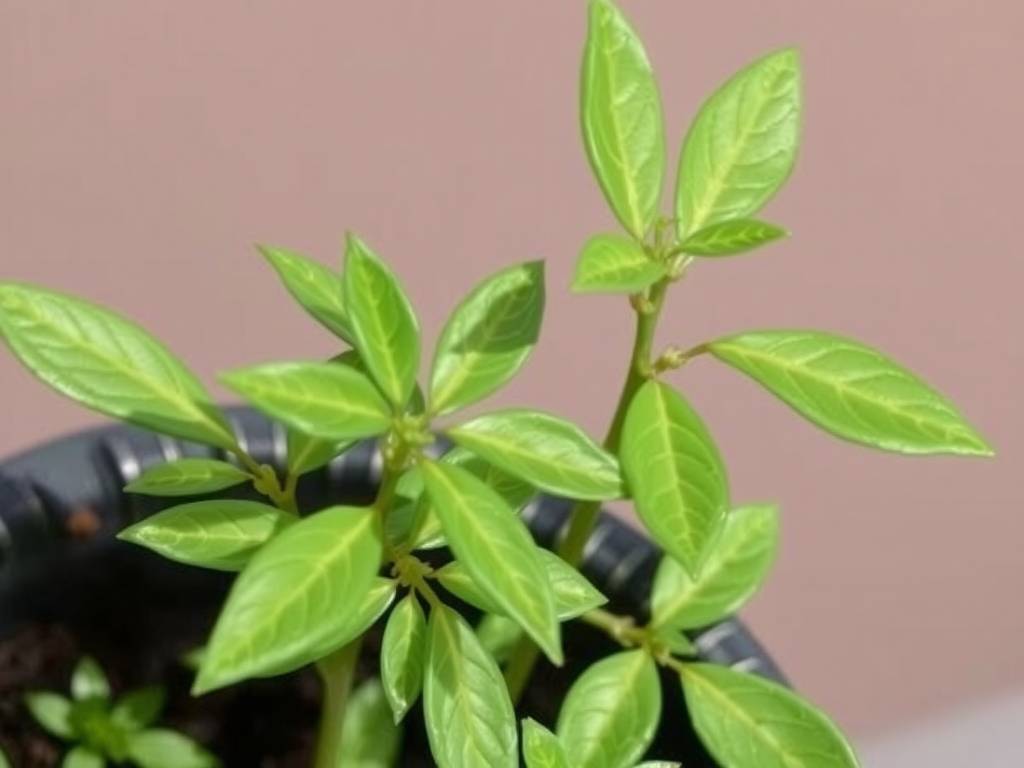
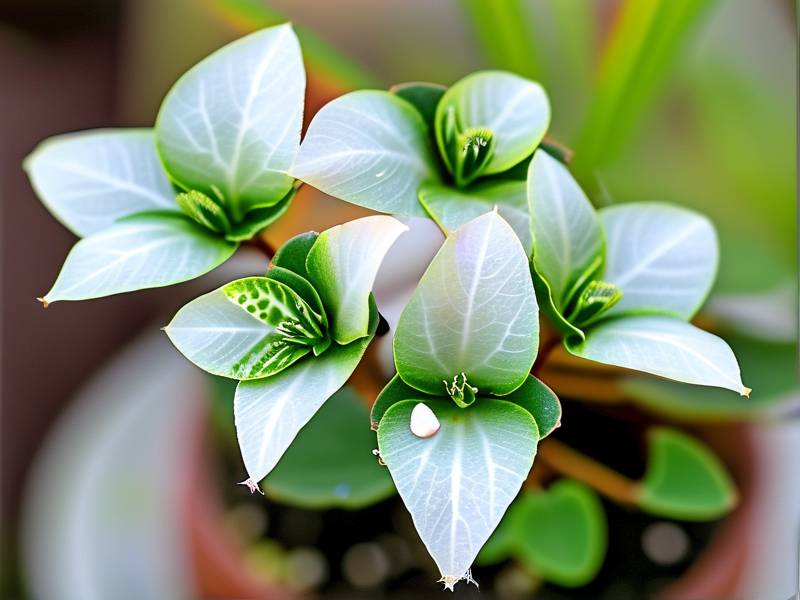
Why are the leaves on my Pellionia losing their color? A loss of the distinctive silvery and bronze hues is almost always light-related. Too little light causes fading. Conversely, too much direct sun can bleach the leaves. Assess its position using the hand shadow test and adjust its location to find that sweet spot of bright, indirect illumination.
Providing the right bright filtered light is the cornerstone of Pellionia repens care. It sets in motion a chain of positive effects: robust growth, stunning leaf coloration, and a plant resilient enough to handle the occasional imperfect watering. By understanding its need for dappled, gentle light—much like the forest floor it calls home—and pairing that with consistent moisture and elevated humidity, you’ll be rewarded with a spectacular, trailing specimen that truly lives up to its "trailing watermelon" nickname. Observe your plant, adjust as needed, and enjoy the lush, cascading beauty it brings to your space.