bluename
 How to Care for Chlorophytum Comosum? Water When Soil Surface Dries Maintenance Methods
You’ve brought home a beautiful, cascading Chlorophytum comosum, commonly known as the spider plant. Its vibrant green and white striped leaves promised easy care and lush growth. But now, you’re noticing brown tips, some leaves look pale, and you’re unsure when to water it. You’re not alone. The most common mistake in spider plant care is improper watering, which leads directly to the question: how often should you water a spider plant? The simple yet effective rule is to water when the soil surface dries. Mastering this technique is the cornerstone of keeping your Chlorophytum comosum thriving. This guide will walk you through a complete maintenance routine centered on this principle, ensuring your plant remains healthy and vibrant.
Understanding Your Spider Plant’s Needs
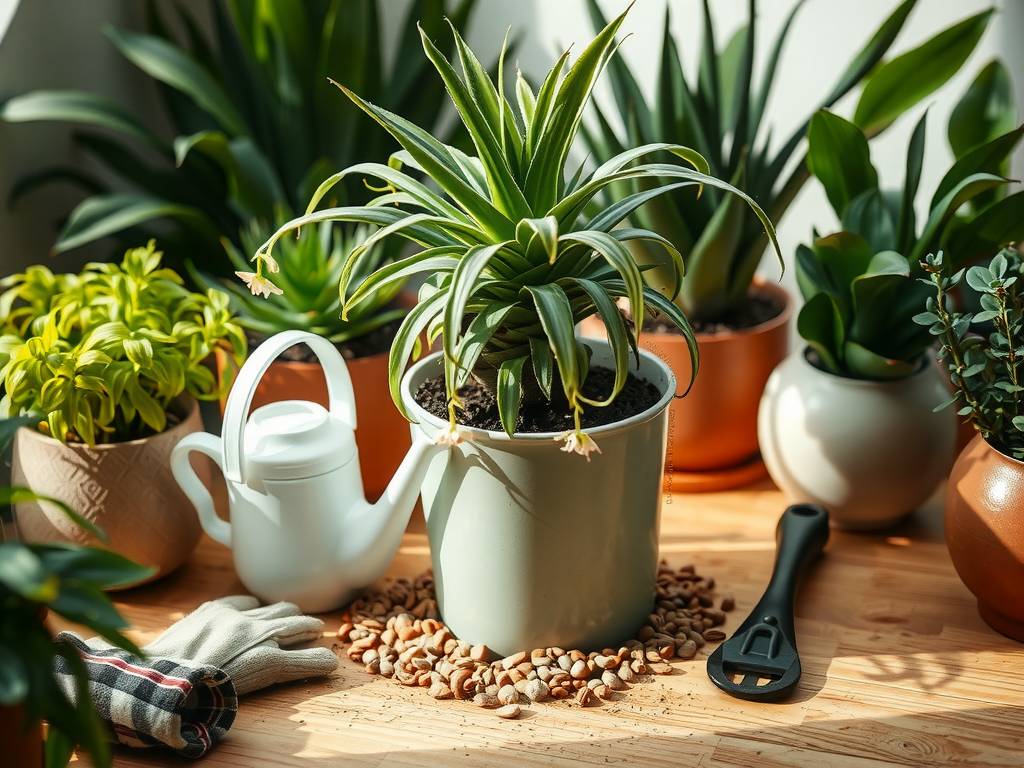
Chlorophytum comosum is renowned for its resilience and adaptability, making it a favorite for both beginners and seasoned plant enthusiasts. According to horticultural studies from institutions like the Royal Horticultural Society, its tolerance for occasional neglect stems from its fleshy, tuberous roots that store water. However, this doesn’t mean it enjoys being parched or, conversely, sitting in soggy soil. The goal is to mimic the natural cycle of moist soil followed by a period of slight dryness. The "water when soil surface dries" method provides the perfect balance, preventing root rot from overwatering and stress from underwatering.
The Golden Rule: Watering When the Soil Surface Dries
This is the core of your maintenance strategy. It’s a tactile, visual cue that removes the guesswork from your watering schedule.
How to Check Correctly Don’t just glance at the top. Insert your finger about an inch into the soil. If the top inch feels dry to the touch, it’s time to water. If it still feels cool or slightly damp, wait another day or two. The surface drying indicates the plant has used the readily available moisture, and the deeper roots still have access to water, encouraging them to grow strong.
The Right Way to Water When it’s time, water thoroughly. Pour room-temperature water evenly over the soil until you see it freely running out of the drainage holes at the bottom of the pot. This ensures the entire root ball is hydrated. Let the pot drain completely in the sink or on a saucer, and never let the plant sit in standing water. This thorough soak, followed by the "dry out the top soil" phase, creates a healthy wet-dry cycle.
Seasonal Adjustments Your plant’s thirst changes with the seasons. During the active growing season (spring and summer), when light levels are higher, the soil surface will dry out faster. You may need to water once a week. In fall and winter, growth slows, and evaporation decreases, meaning the soil stays moist longer. The interval might stretch to every two weeks or more. Always rely on the finger test, not the calendar.
Essential Elements of Spider Plant Maintenance
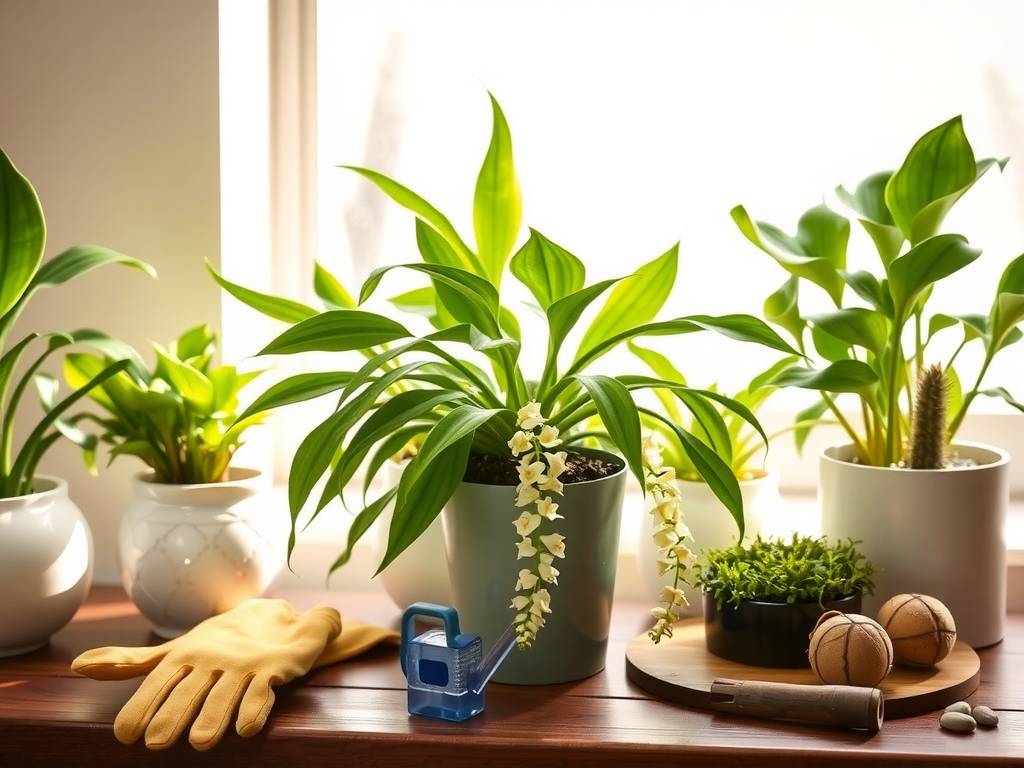
While watering is crucial, it works in concert with other care factors. Here’s how to build a complete care routine.
Ideal Lighting Conditions Spider plants prefer bright, indirect light. A spot near an east or north-facing window is perfect. They can tolerate some direct morning sun, but harsh afternoon rays can scorch the leaves, causing brown tips and faded color. In lower light, growth will slow, and the variegation may fade. Good light supports photosynthesis, which works hand-in-hand with your proper watering schedule for Chlorophytum to fuel growth.
Choosing Soil and Pot for Success The right foundation supports the watering rule. Use a well-draining, peat-based potting mix. You can add perlite or orchid bark to improve aeration. The pot must have drainage holes. A pot that is too large holds excess moisture, risking root rot. Repot only when you see roots circling the bottom or emerging from the drainage holes, typically every 2-3 years.
Feeding for Lush Growth Fertilize sparingly. During the growing season, a balanced, water-soluble fertilizer (like a 10-10-10) diluted to half strength once a month is sufficient. Avoid over-fertilizing, as salt buildup in the soil can also cause leaf tip burn. Do not fertilize in the winter when the plant is resting. As noted by plant care experts, feeding complements the Chlorophytum comosum maintenance routine but is less critical than consistent watering.
Managing Temperature and Humidity These plants enjoy average room temperatures between 65°F and 75°F (18°C - 24°C). They are not frost-tolerant. While they adapt to average household humidity, they appreciate a boost in drier environments. Brown leaf tips are often a sign of low humidity. You can mist the leaves occasionally, place the pot on a pebble tray with water, or use a humidifier.
Troubleshooting Common Issues
Even with great care, you might encounter minor problems. Here’s how to diagnose and fix them.
Brown Leaf Tips This is the most frequent complaint. Causes include:
- Fluoride/Chlorine in Tap Water: These chemicals can build up. Use distilled, rainwater, or leave tap water out overnight before watering.
- Low Humidity: Increase ambient moisture as described above.
- Over-fertilization: Flush the soil with water to remove excess salts and reduce feeding frequency. Pale or Faded Leaves This usually indicates too much direct sun. Relocate the plant to a spot with gentler, filtered light.
Lack of "Spiders" (Plantlets) If your mature plant isn’t producing the iconic baby spider plants, it might be slightly pot-bound. These plants often send out runners (stolons) with plantlets when their roots are comfortably crowded. It may also need slightly more light. Ensuring a proper care for spider plant with dry soil method often stimulates happy growth and reproduction.
Why are the tips of my spider plant turning brown? Brown tips are commonly caused by chemicals in tap water, like fluoride, or by low humidity. Try switching to distilled or filtered water for watering, and consider increasing humidity around the plant by misting or using a pebble tray.
How often should I repot my Chlorophytum comosum? Repot your spider plant every 2-3 years, or when you see roots growing out of the drainage holes or circling tightly at the bottom of the pot. Spring is the best time to repot. Choose a pot only one size larger to prevent excess soil from staying wet too long.
Can I grow spider plants in low light? While spider plants are tolerant, they truly thrive in bright, indirect light. In low light, their growth will slow significantly, the variegated stripes may fade to solid green, and they may produce fewer plantlets. For the healthiest plant, provide as much indirect light as possible.
Caring for a Chlorophytum comosum successfully hinges on understanding its simple needs. By adopting the practice of watering only when the top inch of soil feels dry, you provide the fundamental rhythm it requires. Pair this with bright, indirect light, well-draining soil, and occasional feeding, and you’ll be rewarded with a robust, fast-growing plant that purifies your air and even gifts you with new plantlets to share. Observe your plant, let the soil be your guide, and enjoy the lush, arching beauty of a perfectly maintained spider plant.