bluename
 How to Care for Sansevieria Trifasciata? The Ultimate “Keep Dry Rather Than Wet” Guide
You’ve brought home a striking Sansevieria Trifasciata, also known as the Snake Plant or Mother-in-Law’s Tongue, praised for its air-purifying qualities and architectural beauty. Yet, instead of thriving, its leaves are turning yellow, becoming mushy at the base, or showing unsightly brown spots. If this sounds familiar, you’re likely falling into the most common trap: overwatering. The secret to a flourishing Sansevieria isn’t complex care; it’s mastering the art of neglect, specifically a “keep dry rather than wet” philosophy. This guide will transform your approach, turning that struggling plant into a resilient, long-lived centerpiece.
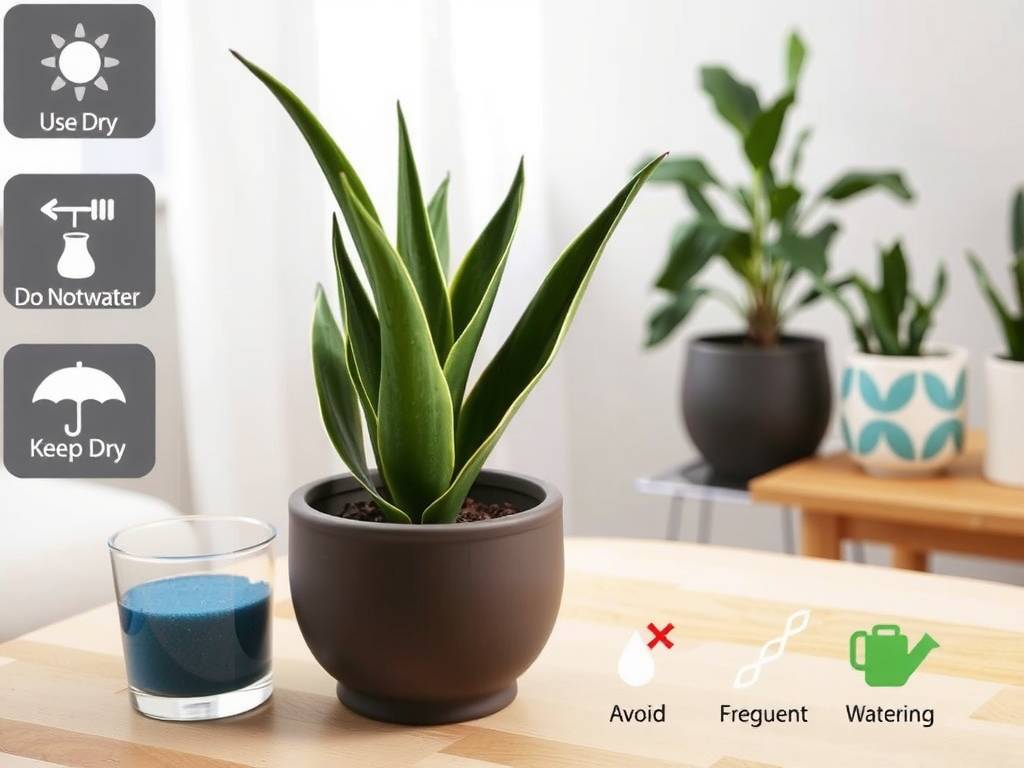
Understanding Your Sansevieria Trifasciata’s Desert Heritage

To care for it properly, you must understand its origins. Native to arid regions of West Africa, Sansevieria Trifasciata is a succulent. Its thick, upright leaves are water storage units, designed to survive prolonged droughts. Its root system is relatively shallow and prone to rot in consistently moist soil. This evolutionary background is your first and most crucial care clue: emulate a desert environment, not a tropical rainforest.
The Golden Rule: Mastering the “Dry Rather Than Wet” Watering Technique
This is the single most important aspect of Sansevieria Trifasciata care. The goal is to mimic the infrequent, heavy rains of its natural habitat, followed by a complete drying period.
When to Water: The Finger Test is Your Best Friend Forget the calendar. The only reliable method is to check the soil moisture. Insert your finger about two inches into the potting mix. If the soil feels completely dry, it’s time to water. If there’s any moisture or coolness at your fingertip, wait. In typical indoor conditions, this often translates to watering only every 3-6 weeks, depending on season, light, and humidity.
How to Water: Thorough Soak and Complete Drainage When you do water, do it properly. Take the plant to a sink and water evenly around the soil surface until water flows freely out of the drainage holes. This ensures the entire root ball is hydrated. The critical next step: let all excess water drain away completely. Never let the plant sit in a saucer of standing water. Return it to its decorative pot only when dripping has stopped.
Seasonal Adjustments Your plant’s thirst changes with the seasons. During the spring and summer growing season, it may need water more frequently as it actively grows. In fall and winter, when light levels drop and growth slows dramatically, the soil may take months to dry out. Drastically reduce watering during this dormant period to prevent rot.
The Perfect Home: Pot and Soil for Optimal Dryness
Watering correctly is only half the battle. You must provide an environment that supports dryness.
Choosing the Right Pot: Drainage is Non-Negotiable Always use a pot with ample drainage holes. Terracotta or clay pots are excellent choices for Sansevieria Trifasciata because they are porous, allowing soil to dry out more evenly and quickly than plastic or ceramic pots. Ensure the pot is not excessively large; a pot that’s just 1-2 inches wider than the root ball is ideal to prevent excess soil from staying wet for too long.
Crafting the Ideal “Keep Dry” Soil Mix Standard potting soil retains too much moisture. You need a fast-draining, gritty mix. A perfect blend is one part standard potting soil, one part perlite, and one part coarse sand or succulent/cactus mix. This creates an airy, well-draining environment that prevents water from pooling around the roots, perfectly aligning with the “dry rather than wet” care suggestion.
Light, Temperature, and Feeding: Supporting the Dry Care Regimen
Light Requirements: Bright Indirect is Best While tolerant of low light, Sansevieria Trifasciata thrives in bright, indirect light. A spot near an east or west-facing window is perfect. Strong light encourages steady growth and helps the soil dry appropriately. Avoid intense, direct southern sun all day, which can scorch the leaves, but a few hours is often tolerated.
Ideal Temperature and Humidity It prefers average room temperatures between 60-80°F (15-27°C). Protect it from drafts and temperatures below 50°F (10°C). Average household humidity is perfectly fine. Its succulent nature means it doesn’t require high humidity, making it an easy companion in dry, air-conditioned, or heated homes.
Fertilizing: Less is More Feed sparingly. During the growing season (spring and summer), a balanced, diluted houseplant fertilizer applied once every 2-3 months is sufficient. Do not fertilize in fall and winter. Over-fertilizing can lead to weak growth and salt buildup in the soil, which harms the roots.
Troubleshooting Common Problems Linked to Moisture
Yellowing, Mushy Leaves: This is almost always a sign of overwatering and root rot. Act immediately by removing the plant from its pot, cutting away any black, mushy roots and affected leaves, and repotting into fresh, dry soil mix. Hold off on watering for at least a week.
Brown, Crispy Leaf Tips: This can be due to underwatering (though less common), low humidity, or a buildup of salts and minerals from tap water or fertilizer. If you follow the “soak and dry” method, try using filtered or distilled water for irrigation.
Leaves Becoming Limp or Wrinkled: While often a sign of thirst, check the soil first. If the soil is wet and leaves are limp, it’s root rot. If the soil is bone dry and leaves are wrinkled, a thorough watering should perk it up within a day.
Propagation: Sharing Your Success
One of the joys of a healthy Sansevieria Trifasciata is propagation. The easiest method is division during repotting. Simply separate a clump of leaves with its attached roots and pot it up separately. You can also propagate from leaf cuttings in soil, though variegated types may revert to plain green.
Can a yellowing Snake Plant leaf turn green again? No, once a leaf has turned yellow or developed mushy, brown spots, that tissue is dead and will not recover. The best action is to cut the damaged leaf off at the soil line with a clean, sharp tool. Focus on correcting the care issue to protect the remaining healthy growth.
How do I know if my Snake Plant is root bound and needs repotting? Sansevieria Trifasciata actually prefers being slightly pot-bound. Only repot every 2-3 years or when you see roots visibly circling the pot’s interior or growing out of the drainage holes. When you do repot, choose a container only one size larger to maintain the “keep dry rather than wet” soil environment.
Is the Snake Plant truly safe for pets? While renowned as an excellent air purifier, it’s important to note that Sansevieria Trifasciata contains saponins, which are toxic if ingested. It can cause nausea, vomiting, or diarrhea in cats and dogs. It’s best placed in an area not accessible to curious pets, making its care and placement an important part of responsible plant ownership.
Caring for Sansevieria Trifasciata successfully hinges on resisting the urge to over-care. By embracing its drought-adapted nature—prioritizing a fast-draining soil mix, watering only after complete dryness, and providing bright indirect light—you cultivate not just a plant, but a testament to resilient beauty. Remember, when in doubt, it’s always safer to err on the side of dryness. This “keep dry rather than wet” approach is the simple, powerful key to unlocking decades of low-maintenance growth and elegant form from your Snake Plant.