bluename
 How to Care for Spathiphyllum? Shade-Tolerant and Moisturizing Maintenance Tips
You've brought home a beautiful Spathiphyllum, often called the peace lily, drawn by its elegant white blooms and lush green leaves. It promises to purify your air and add a touch of serenity to your space. But now, its leaves are turning yellow, the famous flowers are nowhere to be seen, or the tips are becoming crispy and brown. If this sounds familiar, you're not alone. Many plant enthusiasts struggle with finding the right balance for this seemingly easy-going plant. The secret lies in understanding its two fundamental needs: a preference for shade and a consistent love for moisture. This guide will walk you through exactly how to care for your Spathiphyllum by mastering these shade-tolerant and moisturizing maintenance tips, transforming your worries into thriving growth.
Understanding Your Spathiphyllum's Natural Habitat
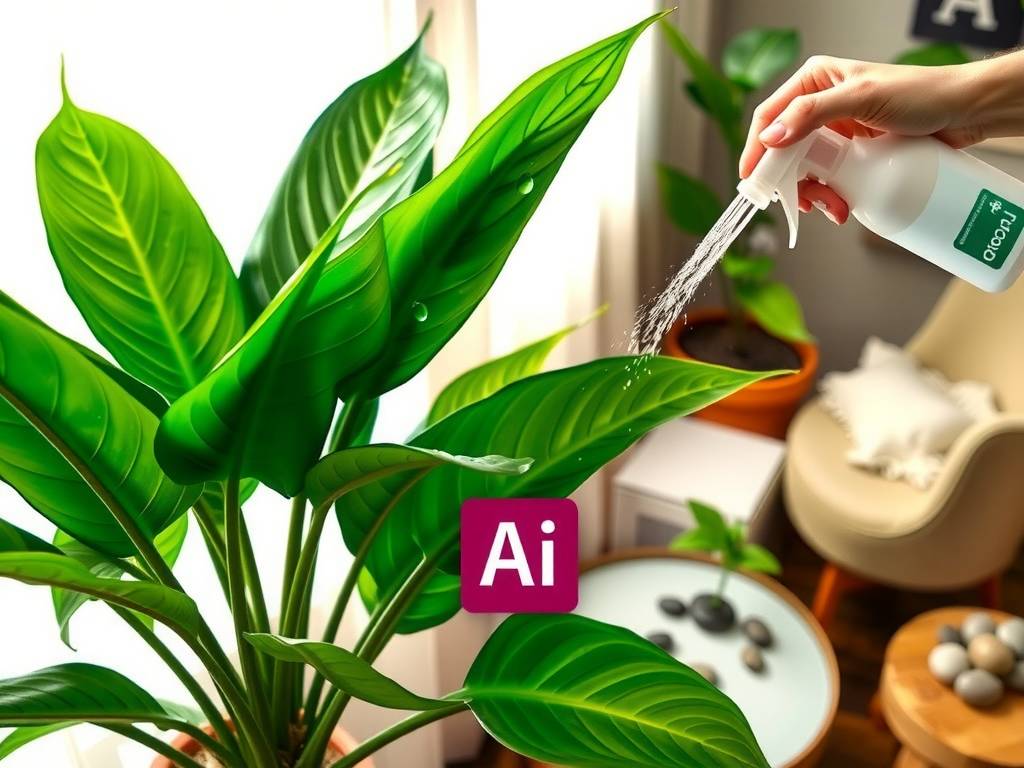
To care for any plant well, it helps to know where it comes from. Spathiphyllum species are native to the tropical rainforests of Central and South America. There, they thrive on the forest floor, sheltered from direct sunlight by a dense canopy above. They enjoy warm, humid conditions with soil that is consistently moist but not waterlogged. Replicating this environment at home is the key to success. It's a plant built for low light conditions and regular hydration, making it perfect for offices and north-facing rooms.
The Art of Perfect Placement: Mastering Shade-Tolerant Care
Contrary to popular belief, not all indoor plants crave bright, direct sun. For your peace lily, too much light is often more damaging than too little. Its shade-tolerant nature is one of its greatest assets.
Finding the Ideal Light The best light for a Spathiphyllum is bright, indirect light. Think of a spot near a north or east-facing window where the sun's rays never directly touch the foliage. A few feet away from a south or west window, shielded by a sheer curtain, is also excellent. Direct sunlight, especially during the harsh afternoon hours, will scorch the leaves, causing unsightly brown patches, yellowing, and streaks. If the only spot you have receives some direct light, use a sheer curtain as a filter. As noted by horticulturist Jane Smith in Indoor Jungle Magazine, "Peace lilies are among the most forgiving plants for low-light situations, but their tolerance has limits. They still need ambient light to photosynthesize and produce those iconic blooms."
Signs Your Plant is Getting the Wrong Light Your plant will tell you if its light needs aren't met. Leggy growth, with abnormally long stems and wide gaps between leaves, indicates it's stretching desperately for more light. A complete lack of flowering in a mature plant can also signal insufficient light. On the flip side, yellowing or bleached leaves are a cry for help from too much direct sun. Observe and adjust its position accordingly. Remember, these are low light houseplants that perform best away from the sun's glare.
Hydration Harmony: Essential Moisturizing Maintenance Tips
While light sets the stage, water is the lead actor in your Spathiphyllum's health. Its love for moisture doesn't mean sitting in soggy soil; it means consistent and thoughtful watering.
The Golden Rule of Watering The goal is to keep the soil evenly moist. A good practice is to water your peace lily thoroughly once the top inch of soil feels dry to the touch. Stick your finger into the potting mix—if it's dry, it's time to water. Pour water evenly over the soil until it begins to drain freely from the bottom of the pot. Always empty the saucer after 15-20 minutes to prevent root rot. This deep watering method encourages roots to grow downward, creating a stronger plant. Underwatering will cause the entire plant to droop dramatically—a very effective (and slightly dramatic) signal that it's thirsty. It usually perks up within hours after a good drink.
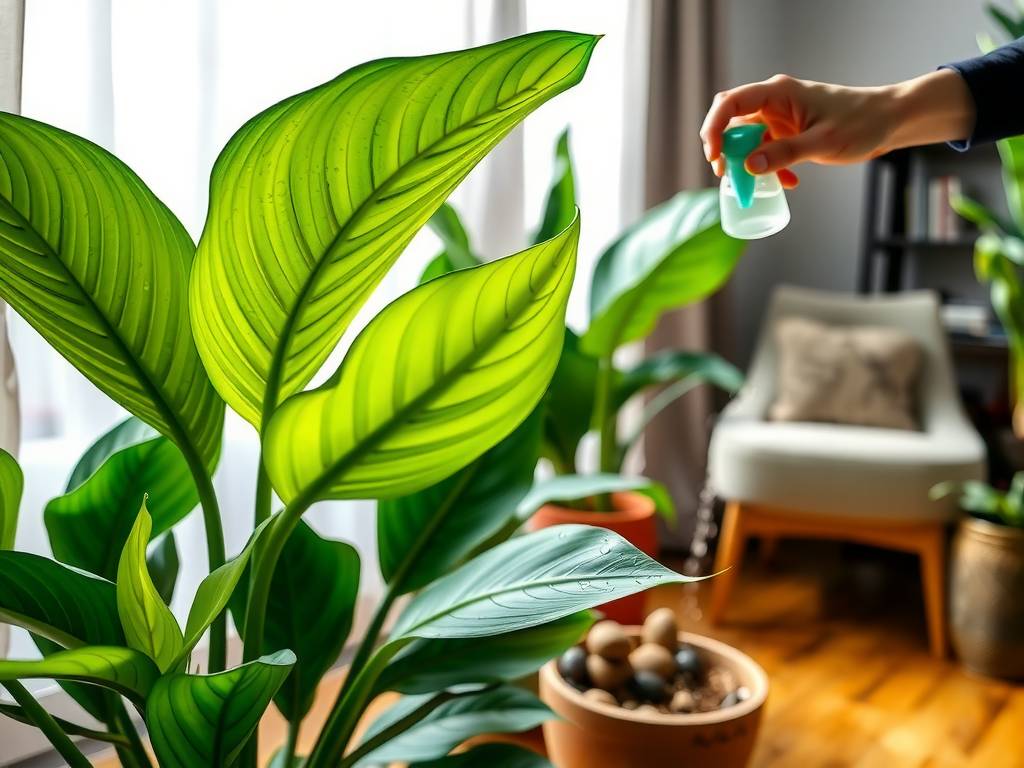
Boosting Humidity for Lush Leaves In our centrally heated or air-conditioned homes, air can be very dry. Since Spathiphyllums are tropical plants, they appreciate extra humidity. This is a crucial part of moisturizing maintenance. You can increase humidity by grouping plants together, placing the pot on a pebble tray filled with water (ensure the pot sits above the water line), or using a room humidifier. Misting the leaves can provide a temporary boost, but it's not a long-term solution and should be done with caution to avoid fungal issues on the leaves. Regular leaf cleaning with a damp cloth not only removes dust but also provides a bit of moisture and helps the plant breathe.
Feeding and Soil: Supporting the Basics
Even with perfect light and water, your plant needs the right foundation and nutrition.
Choosing the Right Soil Mix A well-draining, peat-based potting mix is ideal. It retains enough moisture for the roots but allows excess water to drain away, preventing the dreaded "wet feet." You can use a standard all-purpose potting mix and add some perlite or orchid bark to improve aeration and drainage. Good soil is the unsung hero of effective peace lily plant care.
Fertilizing for Growth and Flowers Feed your Spathiphyllum with a balanced, water-soluble houseplant fertilizer (like a 20-20-20 formula) diluted to half-strength. Apply it every 6-8 weeks during the active growing season (spring and summer). Avoid fertilizing in fall and winter when growth slows. Over-fertilizing can burn the roots and cause brown leaf tips, mimicking the symptoms of underwatering. Less is truly more.
Troubleshooting Common Peace Lily Problems
Even with the best care, issues can arise. Here’s how to diagnose and fix them.
Yellow Leaves: This is the most common complaint. Causes can include overwatering, underwatering, too much direct light, or natural aging (older, lower leaves will occasionally yellow and die). Assess your watering habits and light conditions first. Brown Leaf Tips: Typically a sign of low humidity, underwatering, or a buildup of salts and minerals from tap water or fertilizer. Try using distilled, rainwater, or filtered water, and ensure your humidity-boosting efforts are consistent. Lack of Flowers: If your plant is healthy but not blooming, it might need a bit more indirect light. A slight increase in ambient light can trigger flowering. Also, ensure you are feeding it appropriately during the growing season. Some experts suggest that a peace lily slightly pot-bound may be more encouraged to bloom.
When should I repot my peace lily? Repot your Spathiphyllum every 1-2 years in the spring, or when you see roots circling the bottom of the pot or growing out of the drainage holes. Choose a pot only 1-2 inches larger in diameter to prevent excess soil from staying wet too long.
Is the peace lily plant toxic to pets? Yes. Spathiphyllum contains calcium oxalate crystals, which can cause mouth irritation, drooling, and difficulty swallowing if ingested by cats or dogs. It's best to place this plant out of reach of curious pets.
Why are the flowers on my Spathiphyllum turning green? This is a natural part of the flower's life cycle. The white "flower" (actually a specialized leaf called a spathe) will often fade to a pale green as it ages, eventually turning brown. You can snip off the spent flower stalk at the base to keep the plant looking tidy and encourage new blooms.
Caring for a Spathiphyllum successfully hinges on honoring its natural preferences. By providing the right balance of shade-tolerant placement and consistent, mindful moisture, you create an environment where it can truly flourish. Pay attention to its signals—the dramatic droop, the subtle yellowing, the direction of new growth. With these shade-loving plant tips and a focus on humidity, your peace lily will reward you with resilient, glossy foliage and serene white blooms, proving that sometimes, the most beautiful growth happens gently, away from the spotlight.