bluename
 How to Care for Hedera Helix? Your Complete Cool and Humid Care Guide
You've brought home a beautiful Hedera helix, or English Ivy, charmed by its elegant trailing vines and classic, lobed leaves. Yet, weeks later, you might find its leaves turning brown, dropping, or losing their vibrant variegation. The frustration is real. Many plant enthusiasts struggle with this popular houseplant, not realizing its needs are quite specific. Contrary to its tough, wild-growing reputation, indoor Hedera helix craves a particular environment to truly thrive: one that is consistently cool and humid. This guide will demystify the care of this timeless plant, transforming your struggles into lush, green success.
Understanding Your Hedera Helix's Natural Habitat
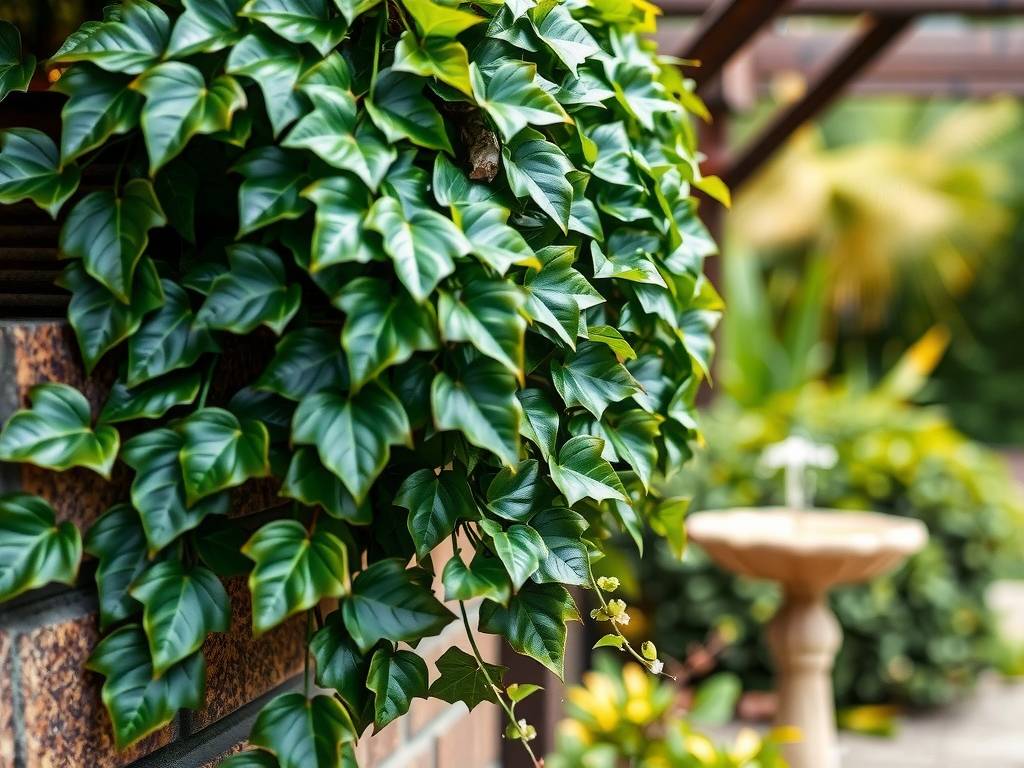
To care for Hedera helix effectively, we must first look to its origins. Native to the forests and woodlands of Europe and Western Asia, it naturally grows in dappled sunlight under the canopy of larger trees. The environment is consistently cool, with high humidity and moist, well-draining soil. Replicating these conditions indoors is the golden key. A study from the Royal Horticultural Society notes that ivies grown in stable, humid environments show significantly higher resistance to pests like spider mites, a common issue in dry homes.
Creating the Ideal Cool Environment
Temperature is a critical, often overlooked, factor in English ivy care. While many houseplants enjoy warmth, Hedera helix prefers it on the cooler side.
The Sweet Spot for Temperature Aim to keep your ivy in an environment between 50°F (10°C) and 70°F (21°C). It can tolerate brief dips near freezing but will suffer in sustained heat. Avoid placing it near radiators, heating vents, or in direct, hot sunlight from south-facing windows. The ideal spots are often cooler rooms like bedrooms, hallways, or north-facing rooms. During summer, ensure good air circulation to prevent heat buildup.
Signs of Temperature Stress If your ivy is too warm, you'll notice the leaves may become pale, dry, and crispy at the edges. Growth may become leggy as the plant stretches for cooler air. Consistently high temperatures weaken the plant, making it susceptible to infestations.
Mastering Humidity for Lush Growth
Humidity is the partner to cool temperatures. Dry air is the nemesis of a healthy Hedera helix, leading to the dreaded brown leaf tips and leaf drop.
Effective Humidity-Boosting Strategies Simply misting is often insufficient. For reliable results, employ one of these methods:
- Pebble Tray: Place your pot on a shallow tray filled with water and pebbles, ensuring the pot sits above the water line. As the water evaporates, it creates a humid microclimate.
- Humidifier: This is the most effective solution. Running a humidifier nearby, especially in winter, can maintain the 40-50% humidity range your ivy desires.
- Grouping Plants: Cluster your humidity-loving plants together. Their collective transpiration raises the moisture level in the immediate area.
The Link Between Humidity and Pest Prevention Spider mites thrive in dry conditions. By maintaining adequate humidity, you're not just plumping up the leaves; you're actively creating a hostile environment for these common pests, reducing the need for interventions.
The Fundamentals of Light, Water, and Soil
Within your cool, humid setup, these core care elements complete the picture.
Finding the Perfect Light Balance Hedera helix prefers bright, indirect light. A spot near an east or north-facing window is perfect. It can tolerate medium light, but growth will slow. Variegated cultivars need brighter light to maintain their patterns. Crucially, avoid intense direct afternoon sun, which can scorch the leaves, causing bleached or brown patches.
Watering for Consistent Moisture The goal is "evenly moist," not soggy. Water your ivy thoroughly when the top inch of soil feels dry to the touch. Ensure excess water can drain freely from the pot's bottom—never let it sit in a saucer of water, as this leads to root rot. In cooler, humid conditions, watering frequency will be less than in a hot, dry room. Always adjust to your environment.
Soil and Fertilizer Needs Use a well-draining, peat-based potting mix. A standard houseplant mix amended with some perlite or orchid bark works well. Feed your ivy sparingly. A balanced, water-soluble fertilizer diluted to half-strength, applied once a month during the spring and summer growing season, is ample. Avoid fertilizing in fall and winter when growth naturally slows.
Pruning and Propagation for a Fuller Plant
Regular pruning maintains a bushy, attractive shape and controls size.
How to Prune Your English Ivy Use clean, sharp scissors to trim back any long, leggy vines just above a leaf node (the point where a leaf joins the stem). This encourages the plant to branch out from that point, creating denser growth. Don't be afraid to prune; Hedera helix is resilient and responds well.
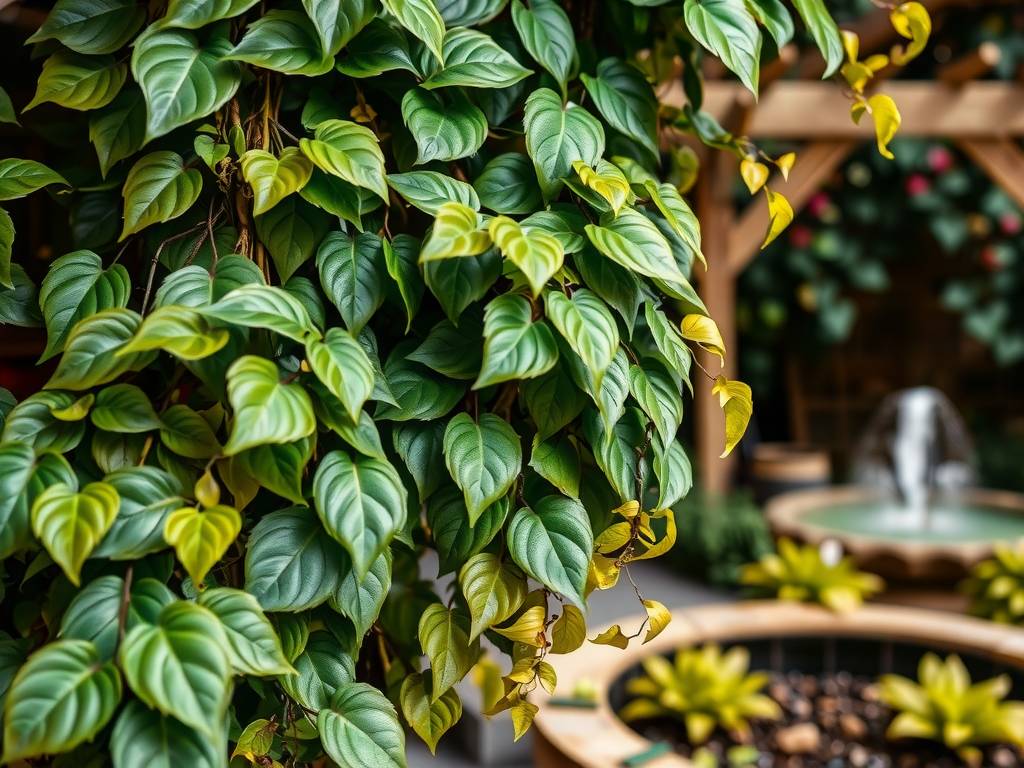
Easy Propagation from Cuttings Those pruned stems are your next generation of plants! Simply place 4-6 inch cuttings in a glass of water, ensuring a few leaf nodes are submerged. Roots will develop in a few weeks. Once they are an inch or two long, pot them up in soil. For even better results, you can dip the cut end in rooting hormone powder before placing it in water or moist soil.
Troubleshooting Common Hedera Helix Problems
Even with great care, issues can arise. Here’s how to identify and fix them.
- Yellowing Leaves: Often a sign of overwatering or poor drainage. Check your soil moisture and ensure the pot drains properly.
- Brown, Crispy Leaf Edges: The classic sign of low humidity or underwatering. Revisit your humidity strategies and check if the soil is drying out too completely between waterings.
- Leaf Drop: Can be caused by sudden changes in environment (temperature, light, draft), or prolonged exposure to conditions that are too warm and dry.
- Pests: Spider mites (fine webbing, stippled leaves) and aphids (clusters of small bugs on new growth) are the main culprits. Isolate the plant, increase humidity, and treat with insecticidal soap or neem oil.
Is my English ivy safe for pets? No. Hedera helix is toxic to cats, dogs, and horses if ingested, causing gastrointestinal upset, drooling, and abdominal pain. It's best to keep it in a location inaccessible to curious pets.
Why are the leaves on my variegated ivy turning all green? This is usually due to insufficient light. The plant reverts to solid green leaves, which are more efficient at photosynthesis, to survive in lower light. Move it to a brighter location with indirect light, and new growth should regain its variegation.
Can I grow Hedera helix in my bathroom? Bathrooms can be excellent locations due to their typically higher humidity from showers. The key is ensuring it still receives enough bright, indirect light (e.g., from a frosted window) and that the temperature doesn't get excessively hot from long showers.
Caring for Hedera helix is a rewarding practice in understanding and replicating a slice of its native forest floor. By prioritizing a cool, humid environment and pairing it with balanced light, careful watering, and occasional grooming, you'll be rewarded with a vigorous, cascading plant that purifies your air and brings a touch of timeless elegance to your space. Observe your plant closely, adjust your care with the seasons, and enjoy the lush, trailing beauty of a truly happy ivy.