bluename
 How to Care for Epipremnum Aureum? Mastering Water and Soil Culture Techniques
Are you struggling to keep your Epipremnum aureum, commonly known as Pothos or Devil's Ivy, thriving? Perhaps you've seen stunning images of lush vines growing in clear vases of water and wondered if it's better than traditional potting soil. The truth is, both water culture and soil culture are excellent methods for how to care for Epipremnum aureum, but they require different approaches. This comprehensive guide will demystify both techniques, helping you choose the right path for your lifestyle and ensure your resilient plant not only survives but flourishes.
Understanding Your Epipremnum Aureum
Before diving into maintenance techniques, it's helpful to know why this plant is so adaptable. Native to the forests of French Polynesia, Epipremnum aureum is a hardy climbing vine renowned for its air-purifying qualities and tolerance to various light conditions. Its ability to grow in both water and soil makes it a favorite among novice and expert plant enthusiasts alike. Whether you opt for water propagation or a classic potting mix, providing the right core care is the foundation of success.
The Allure of Water Culture: A Step-by-Step Guide
Growing your Pothos in water is a visually striking and surprisingly simple method. It eliminates worries about overwatering and offers a fascinating view of root development. This technique is perfect for those who love a modern, minimalist aesthetic or want to easily monitor plant health.
Getting Started with Hydroponics
Begin with a healthy cutting from an existing soil plant. Using a clean, sharp pair of scissors or pruners, snip a 4-6 inch stem section just below a leaf node—the small bump on the stem where leaves and roots emerge. Ensure your cutting has at least 2-3 nodes and a few leaves. Remove any leaves that would sit below the waterline to prevent rot.
Choose a transparent container like a glass vase or jar. While not strictly necessary, clear glass allows you to watch root growth and monitor water clarity. Fill the container with room-temperature, filtered water or tap water that has been left out for 24 hours to allow chlorine to dissipate. Place the cutting in the water, ensuring all nodes are submerged but the leaves remain dry.
Ongoing Maintenance in Water
Place your water-grown Pothos in a spot with bright, indirect light. Direct sunlight can heat the water and encourage algae growth. Change the water completely every 1-2 weeks. This is crucial to replenish oxygen and prevent the buildup of bacteria or algae. When you change the water, gently rinse the roots and the container.
Contrary to popular belief, plants in water still need nutrients. Add a single drop of liquid fertilizer formulated for hydroponics to the fresh water every 4-6 weeks during the growing season (spring and summer). Dr. Eleanor Greene, a horticulturist specializing in indoor plants, notes, "Water culture plants rely entirely on you for minerals. A diluted, balanced fertilizer prevents nutrient deficiencies, which often manifest as pale leaves or stunted growth."
Troubleshooting Water Culture Issues
If you notice slimy roots or murky water, it's a sign of bacterial growth. Immediately clean the roots under lukewarm water, trim any rotten parts, sterilize the container, and provide fresh water. Algae growth, indicated by green water or slime on the glass, is typically harmless but unsightly. It can be minimized by using an opaque container or keeping the vase out of direct sunlight. For long-term health, consider transitioning a mature water-grown plant to soil if it seems to stall, as it may crave more structural support and nutrients.
Mastering Traditional Soil Culture
Soil cultivation is the natural method for Epipremnum aureum, allowing it to establish a robust root system and achieve potentially larger, more vigorous growth. This method is ideal if you prefer a "set it and forget it" watering routine and want a truly low-maintenance companion.
The Foundation: Potting Mix and Container
The right soil is critical. Use a well-draining, aerated potting mix. A standard indoor plant mix amended with perlite or orchid bark works perfectly. Avoid heavy, moisture-retentive garden soils, as they can lead to root rot. As Greg Meyer, a veteran botanist, advises, "Think of the potting mix as the plant's home. For epipremnum aureum, you want a loose, breathable environment that holds moisture but never becomes soggy."
Select a pot with adequate drainage holes. This non-negotiable feature allows excess water to escape. The pot size should be only 1-2 inches larger in diameter than the root ball to prevent excess soil from staying wet for too long.
The Art of Watering and Feeding
The most common mistake in soil culture is overwatering. The golden rule is to water deeply only when the top 1-2 inches of soil feel dry to the touch. Insert your finger into the soil to check. When you do water, do so thoroughly until water flows freely from the drainage holes, ensuring the entire root ball is moistened.
During the active growing seasons of spring and summer, feed your Pothos monthly with a balanced, water-soluble fertilizer diluted to half-strength. Reduce feeding to once every two months in fall and cease entirely in winter when growth slows. This epipremnum aureum maintenance schedule prevents fertilizer burn and supports steady growth.
Optimal Light and Environment
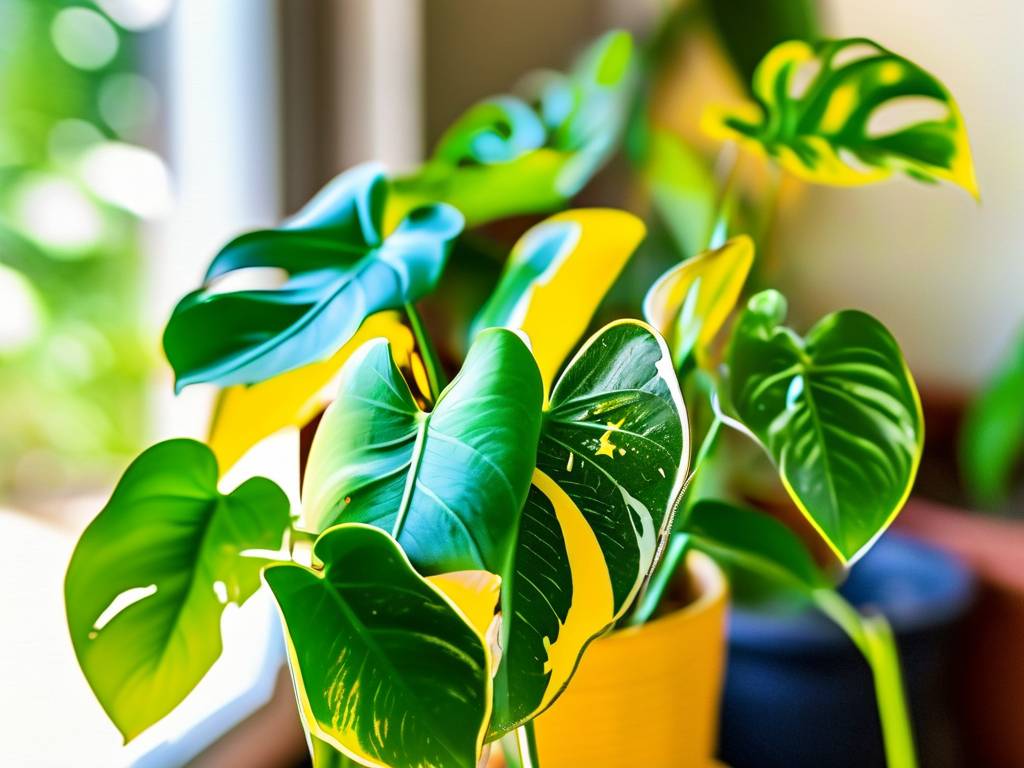
While famously tolerant of low light, your Epipremnum aureum will exhibit the fastest growth and most vibrant variegation (in varieties like 'Marble Queen' or 'Golden Pothos') in bright, indirect light. Avoid prolonged direct sun, which can scorch the leaves. It thrives in average household temperatures and humidity but appreciates an occasional misting or a pebble tray if the air is very dry.
Pruning and Repotting for Lush Growth
Regular pruning encourages bushier, fuller growth. Don't be afraid to trim long vines back to a node. You can propagate these cuttings to create new plants! Repot your Pothos every 1-2 years in the spring, or when you see roots circling the pot's bottom or growing from the drainage holes. This refreshes the soil and gives the roots room to expand.
Choosing Your Method: Water vs. Soil
So, which pothos care technique is superior? It depends on your goals.
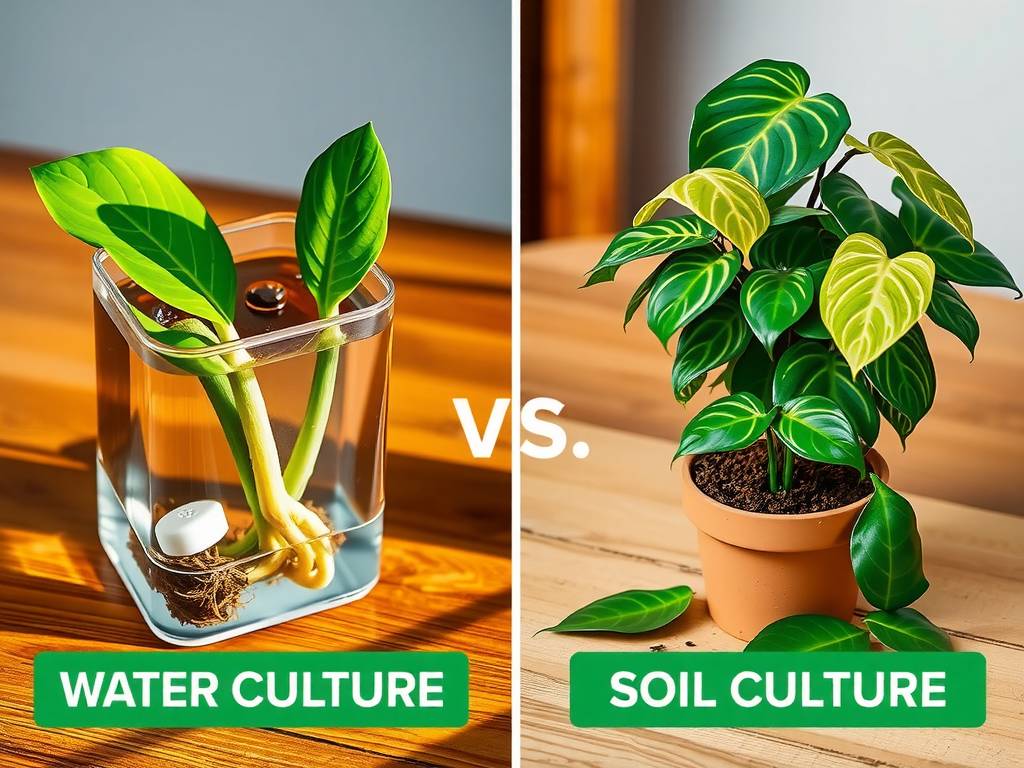
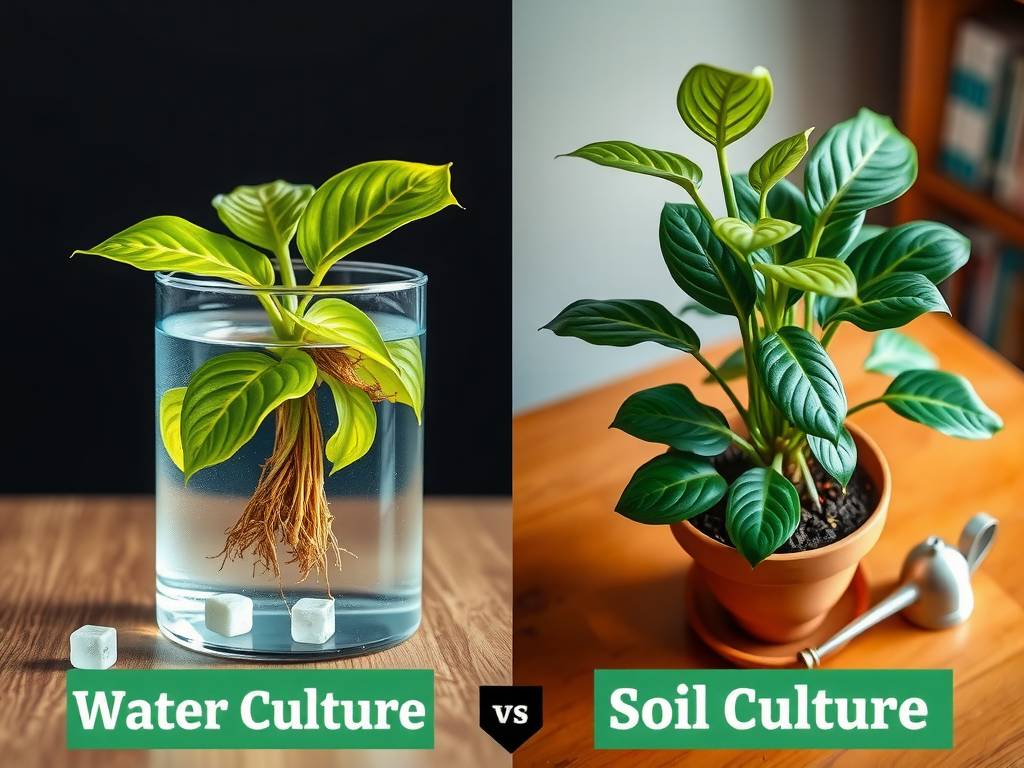
- Water Culture offers aesthetic appeal, simplicity, and eliminates soil-borne pests. Growth can be slower, and plants may require eventual transition to soil or more frequent nutrient attention.
- Soil Culture often supports larger, more robust plants with less frequent fertilization. It requires mastering a watering schedule but is generally more forgiving and sustainable for the plant's long-term life cycle.
You can even enjoy both! Many plant lovers maintain a "mother" plant in soil and keep several decorative vases with propagated cuttings in water around their home.
Can Epipremnum aureum live in water forever? Yes, it can survive in water indefinitely with proper care. However, long-term water culture may result in slower growth and smaller leaves compared to soil. Regular water changes and occasional nutrient supplementation are essential for its lifelong health in water.
Why are the leaves on my Pothos turning yellow? Yellow leaves are a classic distress signal. In soil, this most often indicates overwatering. In water, it can point to nutrient deficiency or poor water quality (infrequent changes). Check your watering habits or refresh the water and add a drop of fertilizer. Yellowing can also be caused by excessive direct light or natural leaf senescence.
How do I make my Pothos grow fuller and bushier? The key to a lush, full plant is strategic pruning. Regularly pinch or snip off the tips of the vines, just above a leaf node. This redirects the plant's energy to promote new growth points along the stem, creating a bushier appearance. Propagating these cuttings and planting them back into the same pot will instantly add volume.
Whether you choose the crystalline simplicity of water or the earthy tradition of soil, Epipremnum aureum is a testament to nature's adaptability. By understanding its basic needs—appropriate light, mindful hydration, and occasional nutrition—you unlock the secret to a thriving, verdant companion. Start with a single cutting, experiment with both methods, and enjoy the rewarding journey of nurturing this versatile and forgiving houseplant. Its cascading vines will be a living testament to your attentive care.