bluename
 How to Care for Pothos: Your Guide to Shade-Tolerant, Drought-Tolerant Trailing Vines
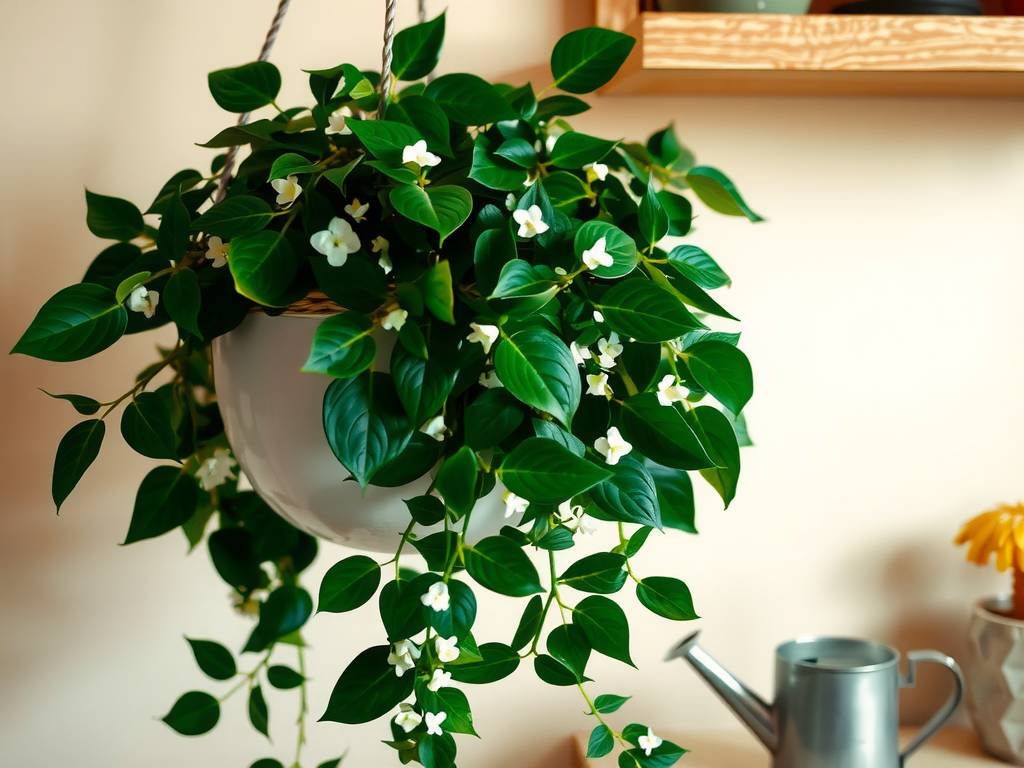
You've brought home a beautiful pothos plant, lured by its reputation as an easy-care, trailing vine perfect for your home. But now, you're noticing yellow leaves, a lack of growth, or simply wondering how to help it thrive. You're not alone. Many plant lovers start with pothos, yet questions about its specific needs for light, water, and care are common. The good news is that with a few simple guidelines, your pothos can flourish for years, showcasing its lush, trailing vines and even surprising you with its rare, small flowers.
This comprehensive guide will walk you through everything you need to know about pothos care, leveraging its natural strengths as a shade-tolerant and drought-tolerant plant to create the perfect environment.
Understanding Your Pothos Plant
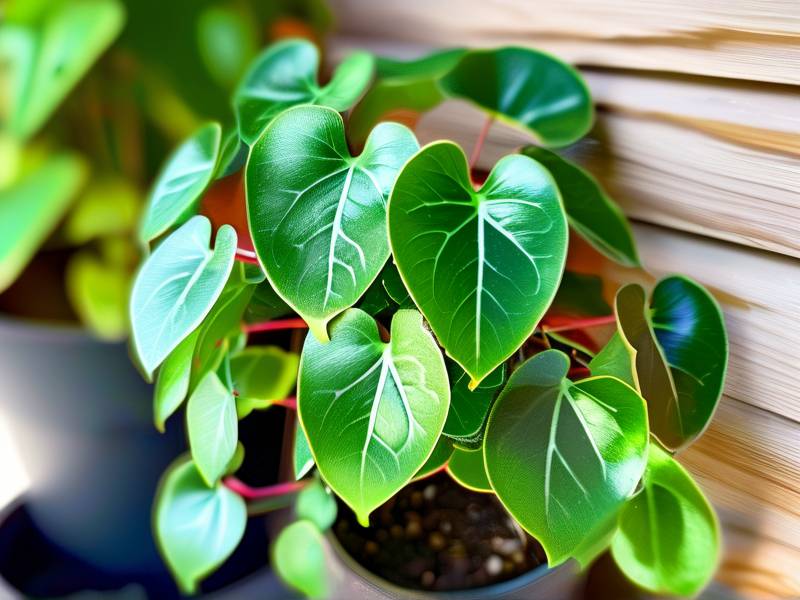
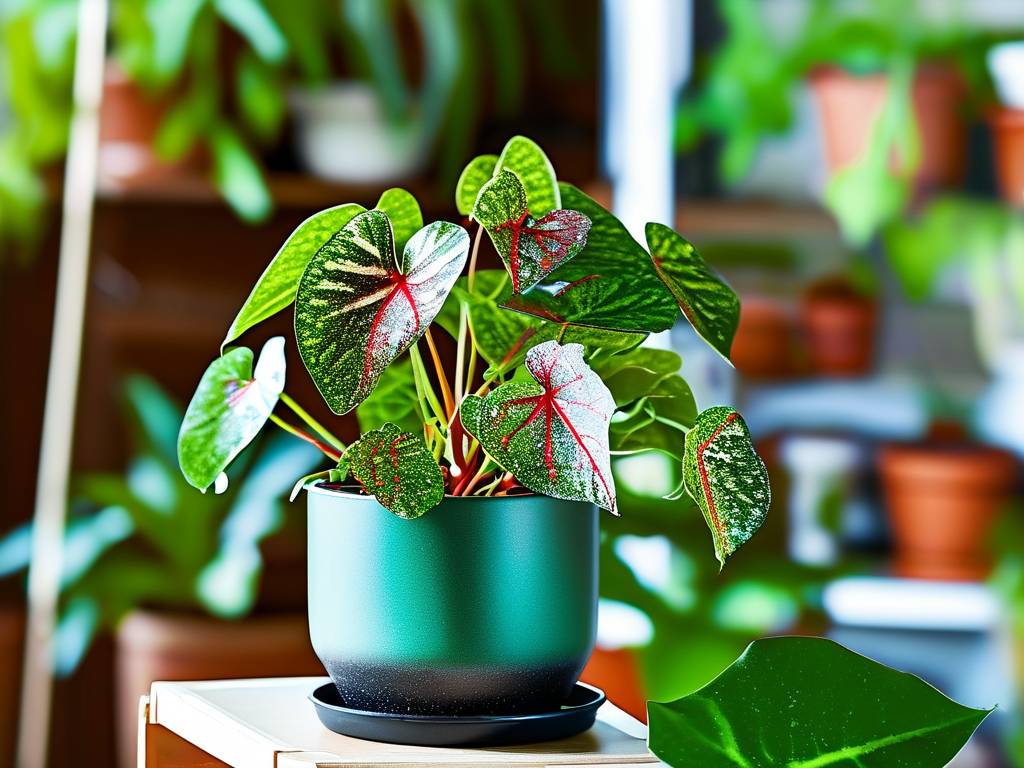
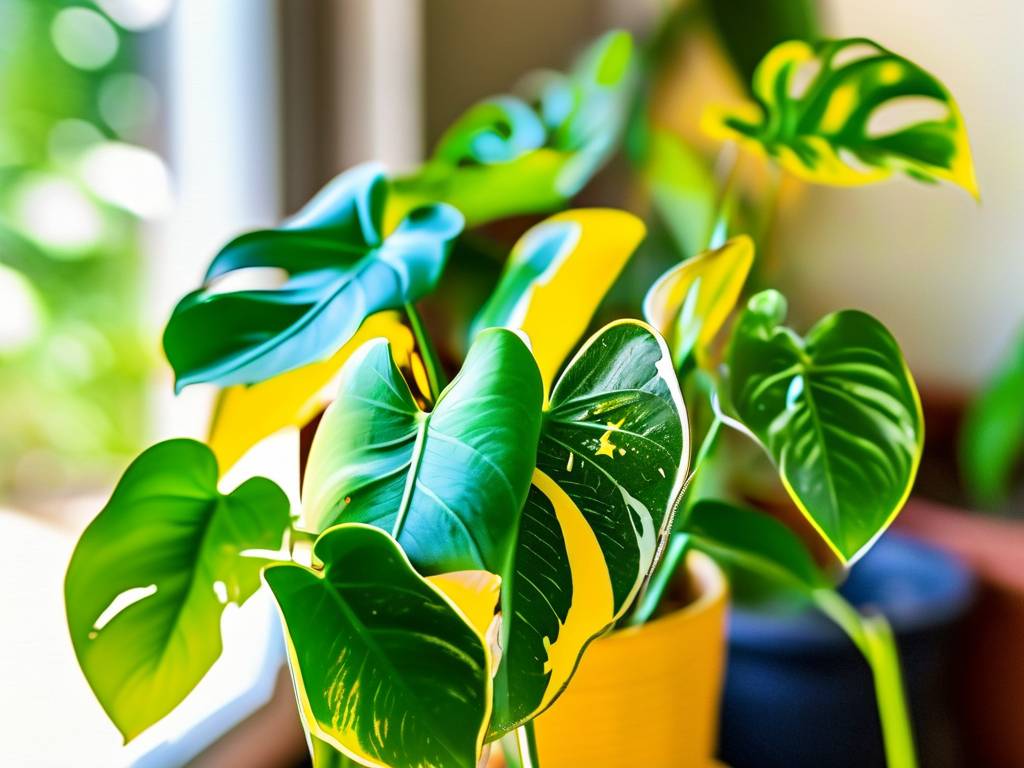
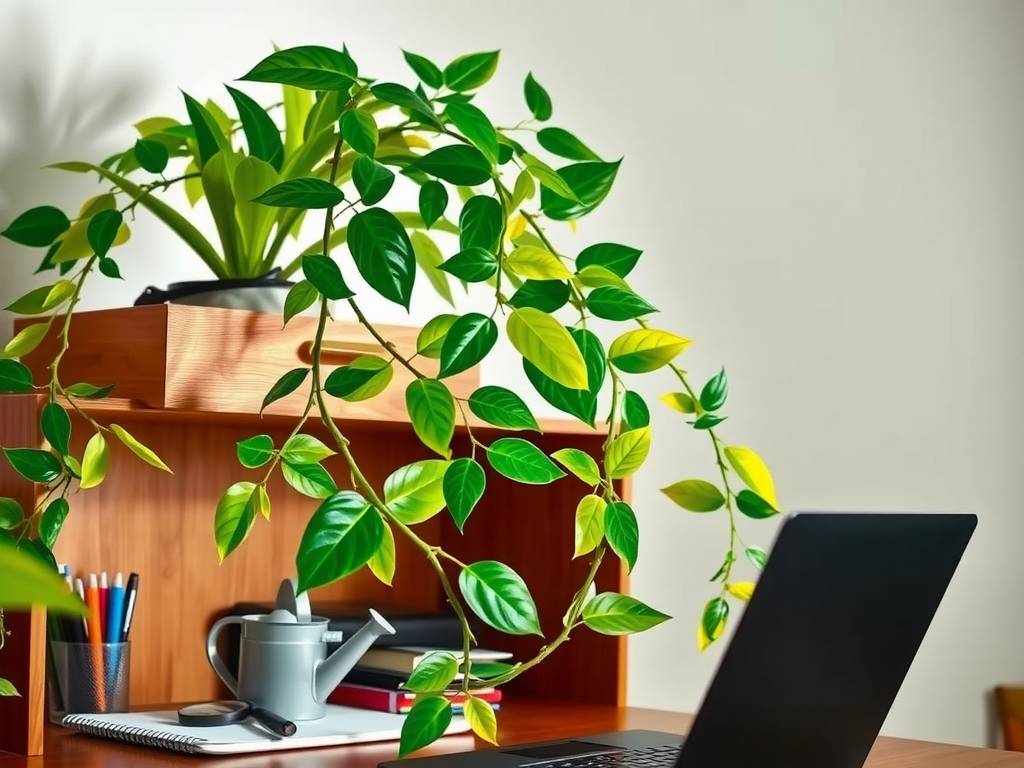
Pothos, scientifically known as Epipremnum aureum, is a tropical vine native to the Solomon Islands. Its immense popularity stems from its incredible adaptability. In its natural habitat, it climbs trees and thrives in dappled sunlight, which explains its tolerance for lower light conditions indoors. The "drought-tolerant" label comes from its ability to store water in its stems, allowing it to withstand occasional forgetfulness. While prized for its stunning heart-shaped leaves in varieties like Golden Pothos, Marble Queen, and Neon, it does produce small flowers in the wild—a rare sight indoors, but a testament to its maturity when conditions are ideal.
The Perfect Light: Thriving in Shade and Beyond
One of the most celebrated traits of pothos is its shade tolerance. This doesn't mean it loves dark corners, but rather that it can survive in them better than most plants.
For optimal growth and vibrant leaf variegation (those beautiful white or yellow streaks), bright, indirect light is king. A spot near an east-facing window or a few feet back from a south or west window is perfect. Here, the plant will grow faster and maintain its striking patterns.
In low-light areas, such as a north-facing room or an office cubicle, your pothos will persist. Its growth will slow, and highly variegated types may revert to more green leaves as the plant conserves energy. This remarkable tolerance for low light makes it a versatile choice for spaces other plants would find challenging.
Avoid prolonged direct, harsh sunlight, which can scorch the leaves, causing brown, crispy patches.
Watering Wisdom: Mastering Drought-Tolerant Habits
The drought-tolerant nature of pothos is a blessing for busy plant owners, but it requires a specific approach. The goal is to mimic a cycle of tropical rainfall followed by a period of drying.
The golden rule is: water deeply, then let the soil dry out. Insert your finger about an inch into the potting mix. If it feels dry, it's time to water. Thoroughly soak the soil until water runs freely from the drainage holes, ensuring the entire root ball is hydrated. Then, empty the saucer to prevent root rot.
In winter or in lower light conditions, the plant's water consumption drops significantly. You may only need to water every 2-3 weeks. Signs of overwatering (chronically wet soil) include yellowing leaves and a general wilted, mushy appearance. Signs of underwatering (prolonged dryness) are drooping leaves and dry, brown leaf edges. As noted by horticulturist Jane Smith in The Indoor Plant Journal, "Pothos teaches us to listen to the soil, not the calendar. Its resilience to occasional dry spells is a key feature of its success."
Soil and Potting: The Foundation for Healthy Vines
A well-draining potting mix is non-negotiable. Use a standard indoor potting mix amended with perlite or orchid bark to increase aeration and drainage. This prevents water from pooling around the roots, which is crucial for a plant that prefers to dry out between waterings.
Repot your pothos every 1-2 years, or when you see roots circling the bottom of the pot. Choose a new pot only 1-2 inches larger in diameter to prevent excess soil from staying wet too long.
Feeding and Maintenance for Lush Trails
Feed your pothos with a balanced, water-soluble houseplant fertilizer diluted to half-strength once a month during the spring and summer growing season. Avoid fertilizing in fall and winter when growth is minimal.
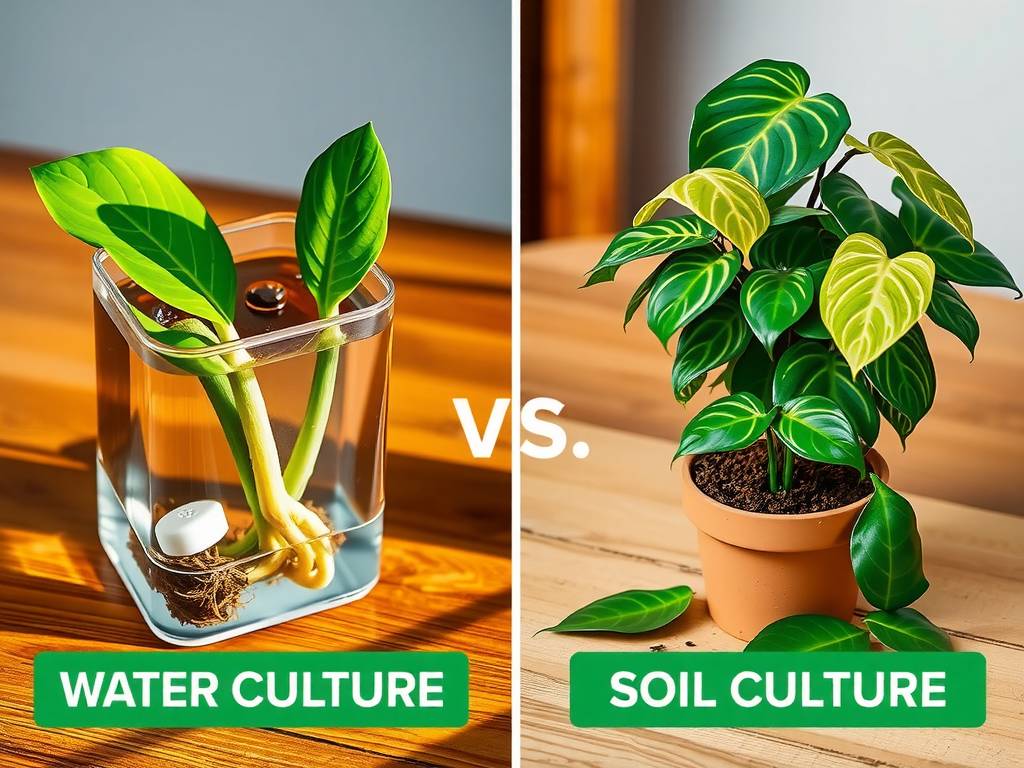
To encourage bushier growth and control the length of its trailing vines, don't be afraid to prune. Snip stems just above a leaf node (the point where a leaf attaches to the stem). You can propagate these cuttings in water to create new plants. Regularly wipe the leaves with a damp cloth to remove dust, allowing the plant to photosynthesize efficiently.
Troubleshooting Common Pothos Problems
- Yellow Leaves: Most often a sign of overwatering. Check your soil moisture and adjust your schedule.
- Brown Leaf Tips: Usually indicates low humidity or underwatering. Increase ambient moisture or check your watering frequency.
- Leggy Growth with Small Leaves: The plant is not getting enough light. Move it to a brighter location.
- Pests: Watch for mealybugs or spider mites. Wipe leaves with insecticidal soap or neem oil.
Can a pothos plant really flower indoors? While exceptionally rare in home environments, mature pothos plants can produce a specialized flowering structure called an inflorescence, which includes a spathe and spadix, similar to its cousin the peace lily. These small flowers are a botanical curiosity and require near-perfect, mature conditions to appear. For most growers, the beautiful foliage remains the main attraction.
How long can the trailing vines of a pothos grow? In ideal conditions, trailing pothos vines can grow remarkably long—over 10 feet indoors is not uncommon. In their native tropical habitat, they can climb trees reaching 40 feet or more. Regular pruning can manage the length and promote a fuller plant.
Is pothos safe for pets? No. Pothos plants are toxic to cats and dogs if ingested, causing oral irritation and digestive upset. It's important to place these drought-tolerant vines in a location out of reach of curious pets.
Embracing pothos care means partnering with a resilient and adaptable plant. By understanding its preference for bright, indirect light and its need for a thorough drink followed by a dry period, you unlock its potential. Whether you're cultivating it for its air-purifying qualities, its elegant cascading vines, or simply as a forgiving green companion, the pothos rewards minimal effort with maximum beauty. Start observing, adjust your care to its signals, and enjoy the vibrant life it brings to your space.