bluename
 How to Care for Curly Bamboo: A Complete Guide to Thriving Partial Shade and Drought-Tolerant Plants
You've brought home a stunning curly bamboo plant, captivated by its whimsical, shapeable stems and lush green foliage. But now, questions start to creep in. Why are the leaf tips turning brown? Is it getting too much sun, or not enough water? How do you actually shape those fascinating curls without harming the plant? You're not alone in this. Many plant enthusiasts find themselves puzzled by the specific needs of this unique specimen, despite its reputation for being resilient. The good news is that with the right knowledge, caring for your curly bamboo is straightforward and deeply rewarding. This guide will walk you through every essential step, transforming uncertainty into confidence and ensuring your plant not only survives but thrives.
Understanding Your Curly Bamboo
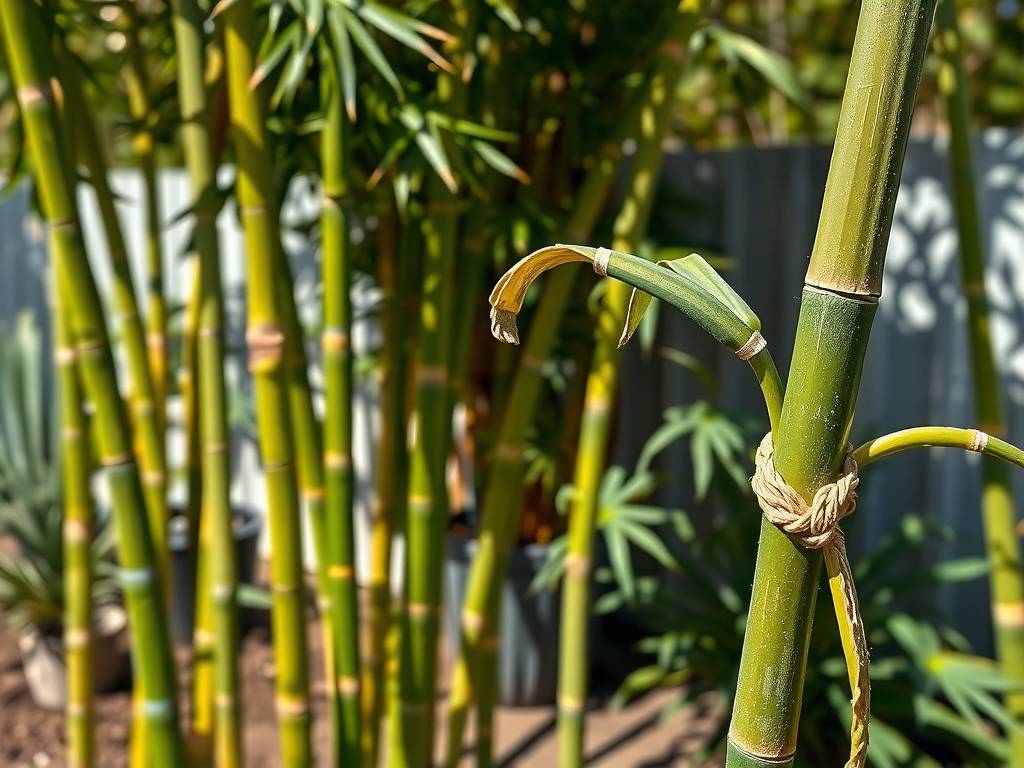
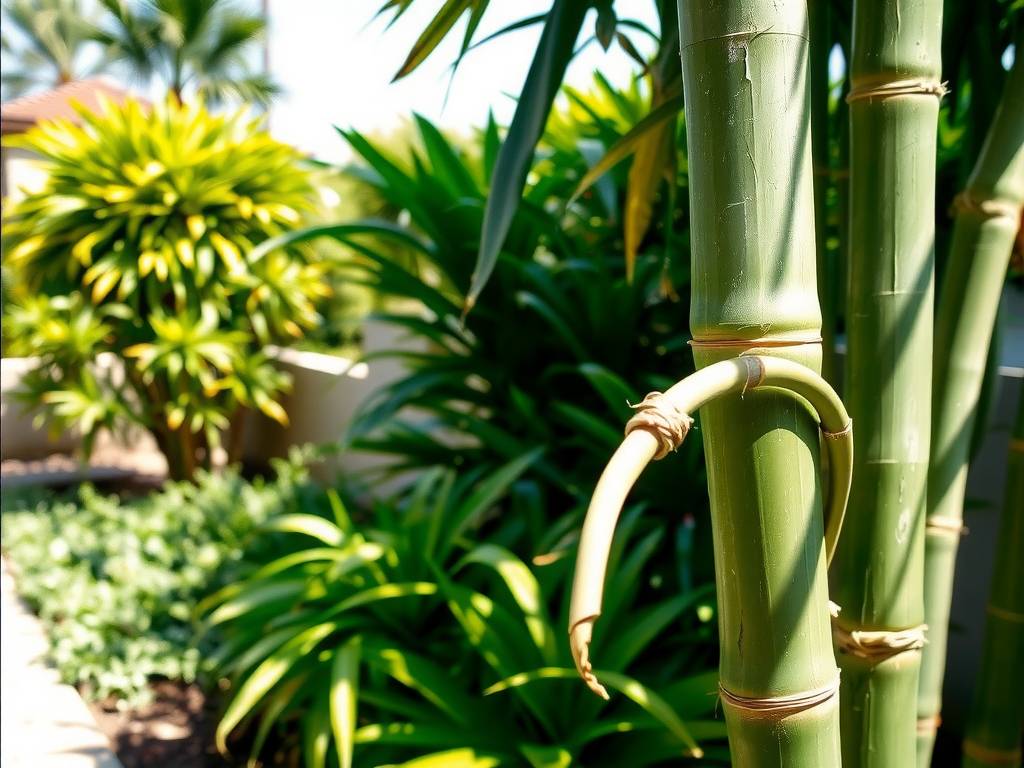
First, let's clarify a common point of confusion. The plant commonly known as "curly bamboo" or "Chinese water bamboo" is typically Dracaena sanderiana, not a true bamboo. This distinction is crucial for proper care. It shares the bamboo's elegant appearance and shapeable stems but has its own care profile. Its ability to tolerate lower light and sporadic watering makes it a fantastic choice for homes and offices. By understanding its true nature, you lay the foundation for all the care steps that follow.
The Perfect Environment: Light and Temperature
Curly bamboo flourishes in partial shade. This is its sweet spot. Direct, harsh afternoon sun can scorch its leaves, leading to unsightly yellow or brown patches. Ideally, place it near a north or east-facing window where it receives bright, filtered light. A spot a few feet back from a south or west window, shielded by a sheer curtain, also works perfectly. If the leaves start to look faded or washed out, it might be begging for a bit more light. Conversely, crispy leaves often signal too much direct exposure.
As for temperature, maintain a cozy room temperature between 65°F and 90°F (18°C - 32°C). Protect it from cold drafts, air conditioning vents, and sudden temperature swings. Consistency is key to keeping those stems healthy and ready for shaping.
Mastering the Watering Routine: Embracing Its Drought-Tolerant Nature
Perhaps the most common mistake is overwatering. Your curly bamboo is remarkably drought-tolerant. It stores water in its stems, so it prefers to dry out a bit between waterings. The goal is to keep the roots consistently moist but never soggy.
For plants in soil, water thoroughly until it runs out of the drainage holes, then allow the top inch or two of soil to dry out completely before watering again. Stick your finger into the soil to check. If it's damp, wait. For lucky bamboo grown in water, change the water every one to two weeks to prevent stagnation and bacterial growth. Use filtered, distilled, or rainwater if possible, as fluoride and chlorine in tap water can cause leaf tip burn over time. This simple watering discipline is the cornerstone of a healthy plant.
Soil and Fertilization: Less is More
A well-draining potting mix is non-negotiable. Use a standard houseplant potting soil amended with perlite or orchid bark to enhance drainage. This prevents water from pooling around the roots, which can lead to rot.
Fertilizer is needed but sparingly. During the growing season (spring and summer), feed your plant with a balanced, water-soluble liquid fertilizer diluted to half-strength once a month. Do not fertilize in fall and winter when growth slows. Over-fertilization will do more harm than good, causing salt buildup and leaf burn.
The Art of Shaping and Pruning
Now for the creative part: working with those wonderfully shapeable stems. The young, green stems of curly bamboo are pliable. To encourage the iconic spiral or curl, you need to guide the growth carefully.
- Guiding the Curls: As a new shoot grows, you can gently bend it and secure it with soft plant wire or twist ties. Do this gradually over weeks. The stem will harden in the directed position. Some growers use specialized shaping tubes or simply rotate the plant slowly over time towards a light source, causing it to grow in a spiral towards the light.
- Pruning for Health and Form: Use clean, sharp scissors or pruners. To encourage bushier growth, you can trim the main stem just above a node (the raised ring on the stem). New shoots will emerge from just below the cut. Regularly remove any yellowing or dead leaves at the stem by pulling them off gently. Pruning not only maintains a tidy appearance but also redirects the plant's energy to healthy new growth.
Troubleshooting Common Problems
- Yellow Leaves: This is often a sign of overwatering or poor water quality. Check your watering schedule and ensure proper drainage. If in water, refresh it immediately.
- Brown Leaf Tips: Usually caused by dry air, chemical sensitivity to tap water, or over-fertilization. Increase humidity around the plant with a pebble tray or occasional misting, and switch to purified water.
- Stretched, Leggy Growth: This indicates insufficient light. Move the plant to a brighter location with indirect light.
- Soft, Mushy Stems: A serious sign of root or stem rot from overwatering. You may need to cut away the healthy top portion and re-root it in fresh water or soil.
Propagation: Sharing the Joy
Propagating curly bamboo is simple. Cut a healthy stem section, ensuring it has at least one node. Place this cutting in a container of fresh water or plant it directly in moist, well-draining soil. Roots should begin to develop from the node within a few weeks. This is a great way to create new plants from your shaped specimen or share with friends.
Can I grow curly bamboo in just water forever? Yes, it can thrive in water indefinitely, which is a popular way to display it. The key is to use clean, chemical-free water and change it regularly every 1-2 weeks to provide oxygen and prevent rot. Add a drop of liquid fertilizer monthly during the growing season.
Why are the stems of my plant not curly? The classic tight curls and spirals are often induced by commercial growers during early growth using specific light manipulation and physical guides. At home, you can shape new, green growth by gently bending and securing it over time. Mature, hardened stems are less pliable.
Is curly bamboo safe for pets? No. Dracaena sanderiana is toxic to cats and dogs if ingested, causing symptoms like vomiting, drooling, and dilated pupils. It's best to place this beautiful plant well out of reach of your furry companions.
Caring for curly bamboo successfully hinges on respecting its preferences: bright, indirect light, a disciplined watering routine that leverages its drought-tolerant nature, and patient guidance of its shapeable stems. By mimicking its preferred conditions—partial shade and periods of dryness—you unlock its full potential as a graceful, low-maintenance companion. Observe your plant closely; its leaves will tell you everything you need to know. With these insights, you're equipped to nurture a vibrant, sculptural piece of living art that brings a sense of calm and natural beauty to your space for years to come.