bluename
 How to Care for Lucky Bamboo: A Complete Guide for Thriving Plants
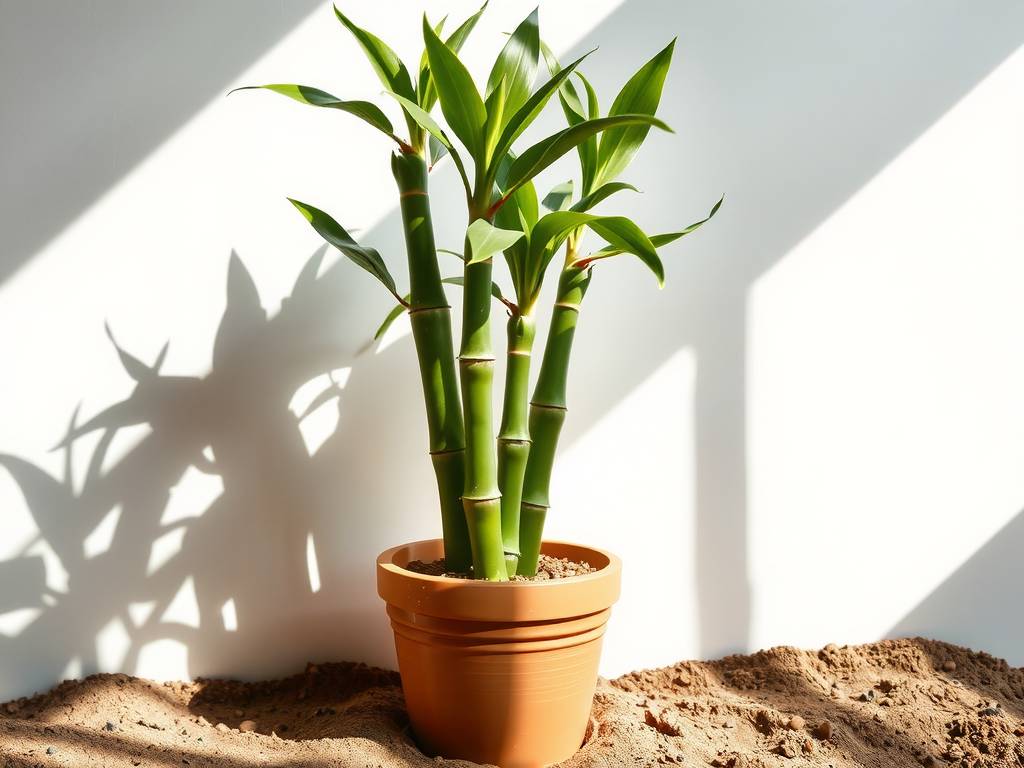
You’ve brought home a beautiful stalk of Lucky Bamboo, drawn by its elegant, upright green stems and promise of good fortune. But now, you’re noticing the tips turning yellow, the leaves losing their vibrant color, or the stems becoming soft. The joy is turning to worry. Don’t despair. The most common issues stem from a few simple misunderstandings about this popular plant’s needs. Contrary to its bamboo-like appearance, Lucky Bamboo (Dracaena sanderiana) has specific, yet easy-to-master care requirements. This guide will walk you through everything you need to know to keep your plant lush, green, and thriving for years, focusing on its love for partial shade and its surprisingly drought-tolerant nature.
Understanding Your Lucky Bamboo
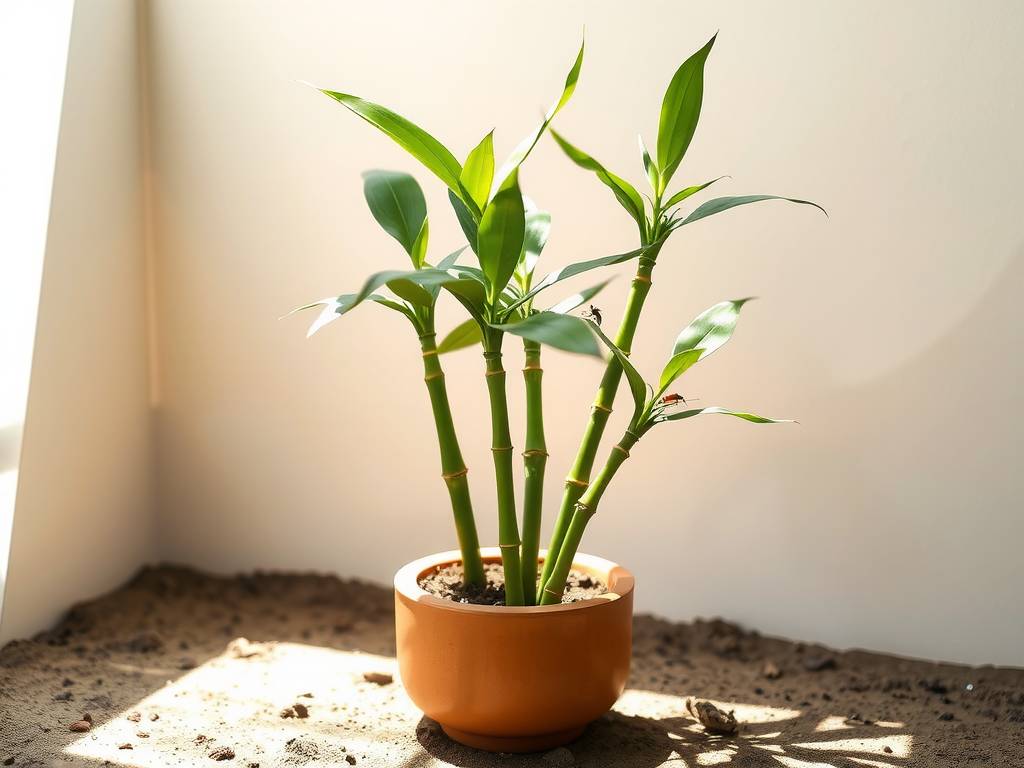
First, let’s clarify what we’re caring for. Lucky Bamboo is not a true bamboo but a member of the Dracaena family. This is crucial because it explains its care preferences. Native to the understory forests of Central Africa, it naturally grows in dappled light and can withstand periods of dry soil, making it wonderfully adaptable to indoor conditions. Its iconic upright green stems can be trained into spirals, braids, or left straight, adding a sculptural element to any space.
The Golden Rule: Perfect Lighting with Partial Shade
The single most important factor for healthy Lucky Bamboo is getting the light right. This plant thrives in partial shade or bright, indirect light.
Why Partial Shade is Non-Negotiable In its natural habitat, it’s protected from the harsh sun by taller trees. Direct sunlight, especially through a hot window, will scorch its leaves, causing unsightly brown or yellow patches. This burns the foliage and stresses the plant, weakening its overall health. On the other hand, deep, dark shade will cause the plant to become leggy as it stretches for light, and its vibrant green color will fade.
Finding the Sweet Spot in Your Home The ideal spot is near an east-facing window where it gets gentle morning sun, or a few feet back from a south or west-facing window. A north-facing window is often perfect. A good test: the plant should cast a soft, fuzzy shadow. If the shadow is sharp and dark, the light is too direct. As noted by horticulturist Jane Smith in Indoor Plant Journal, “Dracaena sanderiana is a prime example of a plant that suffers more from over-lighting than under-lighting in typical home environments. Filtered light is its best friend.”
Watering Wisdom: Embracing Its Drought-Tolerant Nature
Here is where many well-intentioned plant owners go wrong. While it’s often grown in water, Lucky Bamboo is more drought-tolerant than you think when potted in soil. Overwatering is the fastest route to root rot and a dying plant.
If Growing in Water:
- Use distilled, filtered, or rainwater if possible, as fluoride and chlorine in tap water can cause leaf tip burn.
- Change the water completely every two weeks to prevent bacterial growth.
- Ensure the water level always covers the roots by at least an inch, but don’t submerge the stems too high.
If Growing in Soil (Often Healthier Long-Term):
- Use a well-draining potting mix, such as a standard houseplant blend with some perlite added.
- The drought-tolerant characteristic means you should let the top inch or two of soil dry out completely between waterings. Stick your finger in the soil to check.
- Water thoroughly until it runs out the drainage hole, then empty the saucer. Never let the plant sit in soggy soil.
- In winter, reduce watering frequency significantly.
Maintaining Those Iconic Upright Green Stems
The proud, upright green stems are the hallmark of a healthy plant. Keeping them that way involves proper support and nutrition.
Providing Adequate Support As the plant grows taller, it may need a gentle tie to a small stake to remain perfectly upright, especially in intricate arrangements. Use soft plant ties or velcro strips, never wire that can cut into the stem.
Feeding for Vibrant Color and Growth To maintain deep green stems and leaves, light feeding is key. Use a very diluted, balanced liquid fertilizer (like a 10-10-10) only once every 2-3 months during the spring and summer. Do not fertilize in fall and winter. Over-fertilizing will cause salt buildup, damaging the roots and discoloring the stems.
Troubleshooting Common Problems
- Yellow Leaves: Usually caused by too much direct sun, poor water quality (if in water), or over-fertilizing.
- Brown Leaf Tips: Typically a sign of dry air, fluoride in water, or under-watering (for soil plants).
- Soft, Mushy Stems: This is a serious sign of root rot from overwatering. You may need to cut away healthy sections and re-root them.
- Stems Losing Upright Form or Leaning: The plant is likely reaching for more light. Move it to a brighter spot with indirect light and consider providing a stake for support.
Propagation: Sharing the Luck
One of the joys of Lucky Bamboo is how easy it is to propagate. If your plant has a healthy, tall cane, you can cut it. Using a clean, sharp knife, cut a section that includes at least one growth node (the bumpy ring on the stem). Place the cutting in fresh water or moist soil, and new roots and a shoot will emerge, giving you a brand new plant to enjoy or gift.
My Lucky Bamboo’s leaves are turning yellow. What should I do? First, assess the light. Move it out of direct sunlight immediately. Check your water source—switch to filtered water if growing in water. For soil plants, check if the pot is waterlogged. Trim the yellow leaves off with clean scissors, as they will not recover.
Can I plant my water-grown Lucky Bamboo in soil? Yes, you can successfully transition it. Do so when you see active root growth. Plant it in a well-draining potting mix, keep the soil consistently moist (but not soggy) for the first month as it adjusts, then switch to the “dry-out” watering method.
How often should I really fertilize my plant? Less is more. Fertilize only 3-4 times per year during the growing season (spring and summer), using a half-strength solution. A light feeding schedule supports steady growth and maintains the rich color of the upright stems without the risk of chemical burn.
Caring for Lucky Bamboo successfully hinges on respecting its origins. By providing the gentle, filtered light of partial shade, understanding its drought-tolerant tendencies to avoid overwatering, and taking simple steps to support its structure, you will be rewarded with a resilient, elegant plant. Those iconic upright green stems will not only stand tall as a symbol of good fortune but also as a testament to your attentive care. Start by finding its perfect spot away from the sun’s harsh rays, and let the plant guide you from there.