bluename
 How to Care for Alocasia: Your Guide to Lush, Tropical Foliage
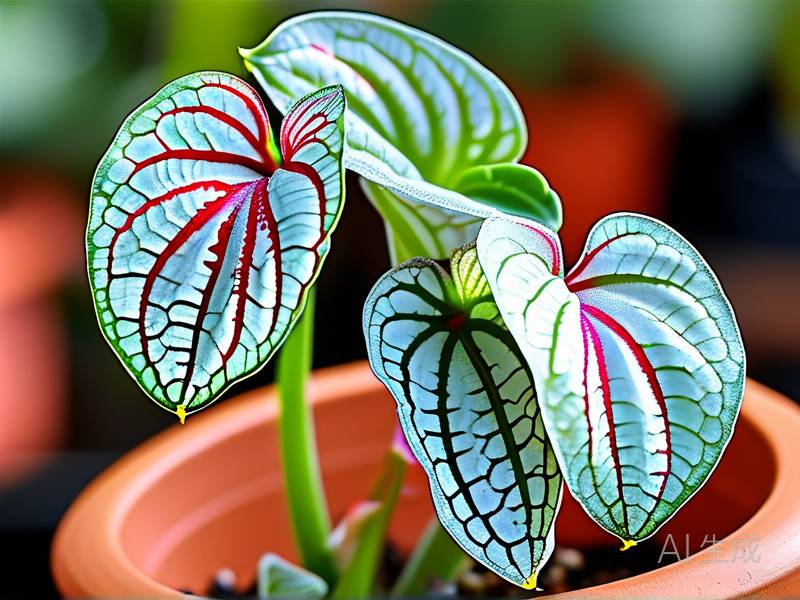
You've brought home a stunning Alocasia, captivated by its dramatic, arrow-shaped leaves that promise a slice of the tropics. But now, those large green leaves are developing crispy brown edges, yellowing, or drooping sadly. Don't worry—you're not alone. Alocasia care can feel tricky, but understanding its simple needs for warm, humid conditions is the key to unlocking its full, majestic potential. This guide will walk you through every step to keep your Alocasia thriving, not just surviving.
Understanding Your Alocasia's Origins
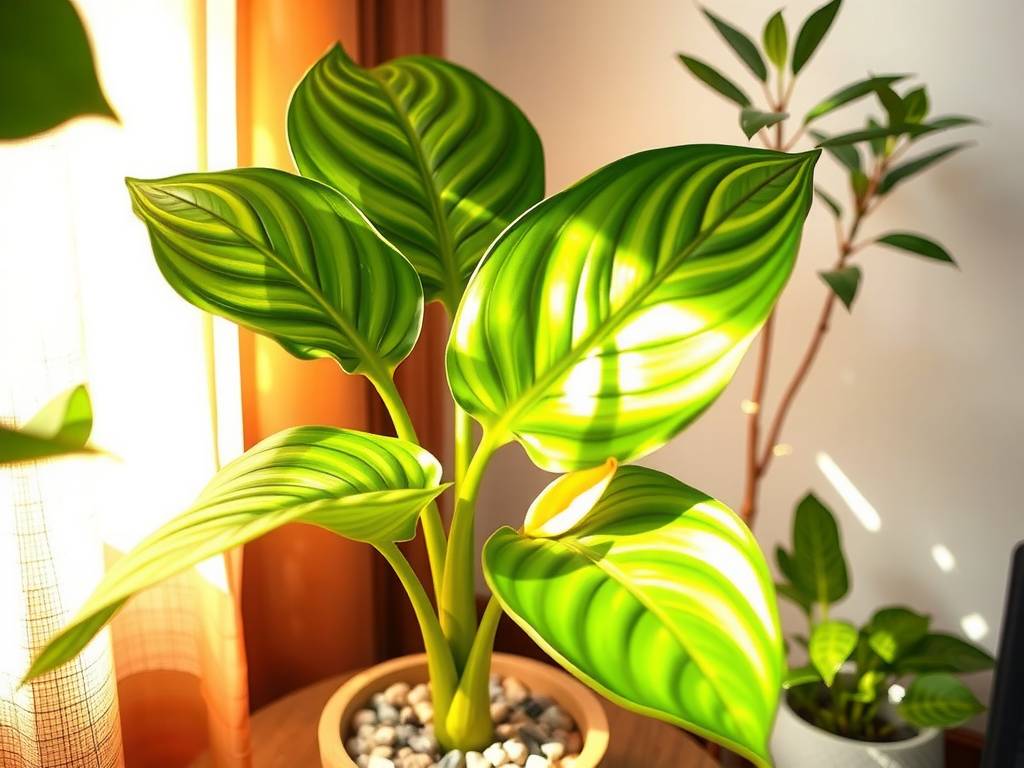
To care for an Alocasia properly, think of its natural habitat. These plants hail from the warm, humid understories of tropical Asian rainforests. They enjoy dappled sunlight, consistent moisture in the air and soil, and warmth. Replicating these conditions at home is your blueprint for success. Their spectacular foliage, and even the occasional rare spathe flower, are rewards for getting the environment right.
Creating the Perfect Warm, Humid Environment
Light: Bright, Indirect Sunshine is Key Alocasias need plenty of light to support their large leaves, but direct sun will scorch them. Place your plant near an east or north-facing window. A spot a few feet back from a south or west window, filtered by a sheer curtain, is also ideal. If the leaves are stretching or losing their vibrant color, it likely needs more light.
Temperature: Consistency is Crucial Maintain a warm room temperature between 65°F and 80°F (18°C - 27°C). Avoid cold drafts from doors, windows, or air conditioning vents. Temperatures below 60°F (15°C) can cause stress, leaf drop, and dormancy. As noted by horticulturist Jane Smith in Tropical Foliage Today, "Alocasias are metabolic engines; consistent warmth fuels their growth."
Humidity: The Non-Negotiable Element This is often the biggest challenge. Alocasias thrive in humidity levels above 60%. Brown leaf tips are a classic sign of dry air. Boost humidity by grouping plants together, using a pebble tray filled with water, or placing a small humidifier nearby. Misting provides a temporary boost but isn't a long-term solution. A humidifier is the most effective tool for maintaining the humid conditions Alocasia plants crave.
Mastering Watering and Soil Fundamentals
The Right Soil Mix Alocasias require a well-draining, airy potting mix that holds moisture without becoming soggy. A standard potting soil amended with 30-50% perlite, orchid bark, or coco coir works perfectly. This prevents root rot, the number one killer of these plants.
How to Water Your Alocasia Correctly Water thoroughly when the top 1-2 inches of soil feel dry. Pour water evenly until it runs freely from the drainage holes, ensuring the entire root ball is moistened. Never let the plant sit in standing water. In winter, reduce watering frequency as growth slows. The goal is consistently moist soil, not wet or bone-dry.
Feeding for Vibrant Growth During the active growing season (spring and summer), feed your Alocasia with a balanced, water-soluble fertilizer diluted to half-strength every 4-6 weeks. This provides the nutrients needed to push out those large, green leaves. Stop fertilizing in fall and winter.
Routine Care and Troubleshooting
Pruning and Cleaning Remove any yellowing or damaged leaves at the base with clean, sharp scissors. This directs energy to new growth. Regularly wipe the large leaves with a damp cloth to remove dust, allowing them to breathe and photosynthesize efficiently.
Repotting for Continued Health Repot every 1-2 years in spring if the plant becomes root-bound. Choose a pot only 1-2 inches larger in diameter. Gently loosen the root ball and place it in fresh potting mix. This refresh of soil structure is vital for long-term health.
Common Alocasia Problems and Solutions
- Yellow Leaves: Often caused by overwatering or poor drainage. Check your soil moisture and drainage.
- Brown, Crispy Edges: Almost always a sign of low humidity. Increase ambient moisture.
- Drooping Leaves: Can indicate underwatering, overwatering, or a cold shock. Diagnose by checking the soil and environment.
- Pests: Watch for spider mites (in dry conditions) and mealybugs. Wipe leaves with insecticidal soap or neem oil.
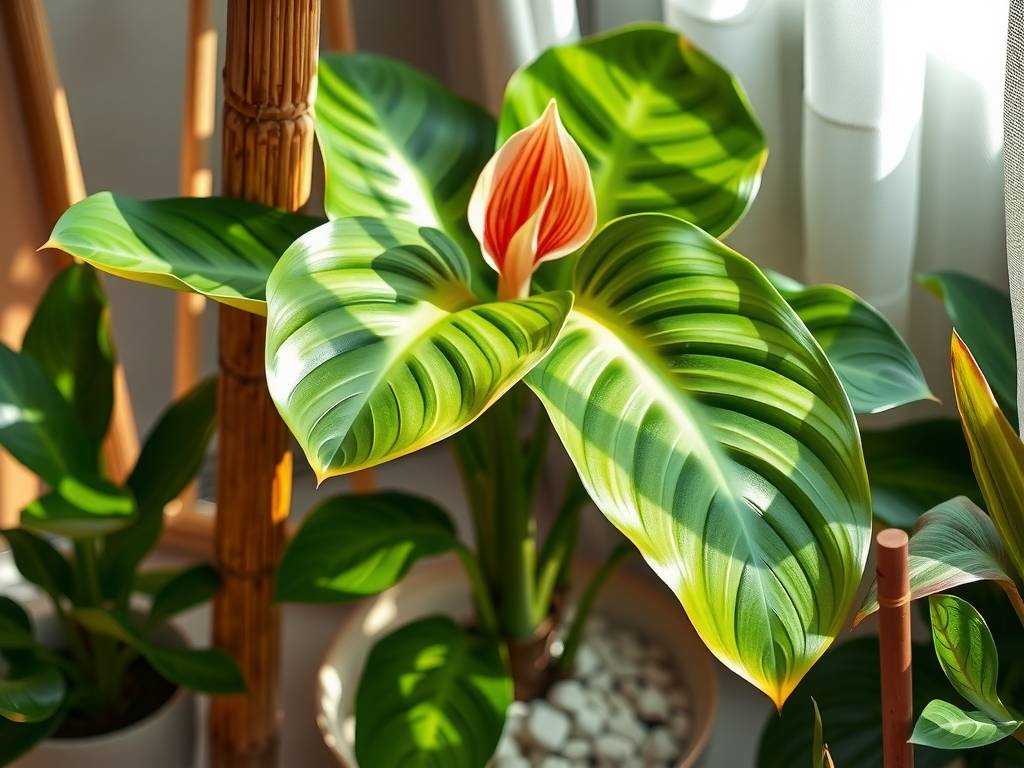
Will My Alocasia Ever Flower? While grown primarily for foliage, a happy, mature Alocasia may produce a spathe flower—a hood-like structure surrounding a spadix. It's a sign of excellent care! You can choose to enjoy this unique bloom or cut it off to conserve the plant's energy for more leaf growth.
Why are the leaves on my Alocasia turning yellow? Yellowing leaves are most commonly a sign of overwatering. Ensure your pot has drainage holes and that you're allowing the top layer of soil to dry out between waterings. It can also signal natural senescence of an old leaf.
Can I grow an Alocasia in a bathroom? A bathroom with a window can be an excellent spot due to the naturally humid conditions from showers. Just ensure it still receives enough bright, indirect light to thrive.
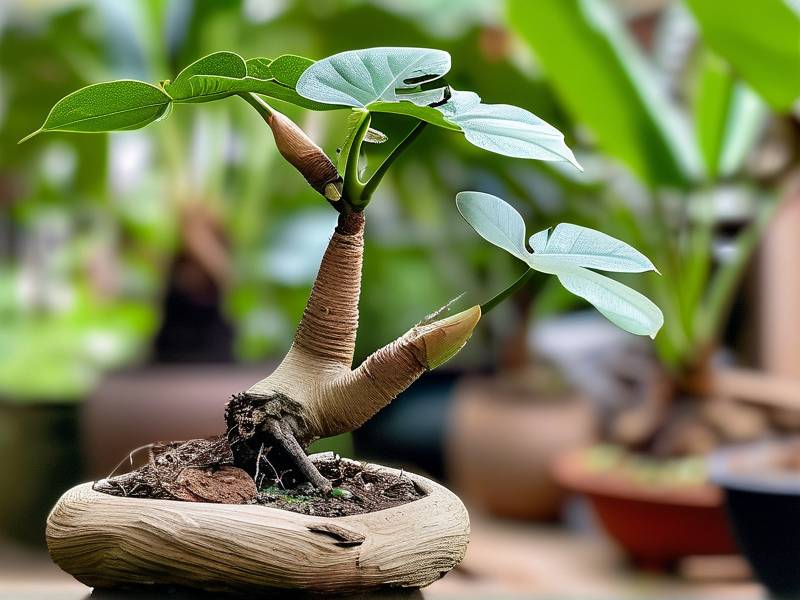
My Alocasia has gone dormant in winter. Is it dead? Not necessarily. Some Alocasia varieties enter dormancy in cooler, darker months, dying back to their rhizomes (underground stems). Reduce watering significantly, keep it in a warm spot, and wait patiently. It will often regrow when conditions improve in spring.
With their architectural beauty, Alocasias are truly rewarding houseplants. Success hinges on mimicking their tropical origins: provide warm temperatures, high humidity, bright indirect light, and careful watering. Pay attention to its signals—those large green leaves will tell you exactly what they need. Be patient, adjust your care with the seasons, and you'll be rewarded with a stunning, healthy specimen that brings a vibrant, jungle-like energy to your home for years to come.