bluename
 How to Care for Philodendron Selloum: Your Complete Guide to a Thriving Plant
You've brought home a stunning Philodendron Selloum, captivated by its dramatic, deeply lobed leaves that promise a touch of the tropics. But now, you might be wondering: why are the leaf tips turning brown? Is it getting enough light, or perhaps too much? How do you keep those magnificent pinnate leaves lush and healthy? Caring for this popular houseplant, also known as the Tree Philodendron or Split-Leaf Philodendron, can seem daunting, but it doesn't have to be. The key lies in understanding its simple, non-negotiable needs: warm partial shade, consistent moisture without waterlogging, and attentive care for its unique foliage. This comprehensive guide will walk you through every step, transforming uncertainty into confidence and ensuring your Philodendron Selloum not only survives but thrives.
Understanding Your Philodendron Selloum
Native to the rainforests of South America, the Philodendron Selloum is an evergreen perennial that has adapted to life under the canopy. This origin story is your first clue to its care. In its natural habitat, it receives dappled sunlight, enjoys high humidity, and grows in rich, well-draining soil. Its large, glossy leaves are not just for show; they are efficient at capturing filtered light. By mimicking these conditions in your home, you set the stage for success. Recognized for its air-purifying qualities by studies such as NASA's Clean Air Study, this plant is more than decor—it's a living, breathing contributor to a healthier indoor environment.
The Perfect Light: Mastering Warm Partial Shade
Light is the cornerstone of photosynthesis, but for the Philodendron Selloum, the type of light is crucial. The phrase "warm partial shade" perfectly encapsulates its needs.
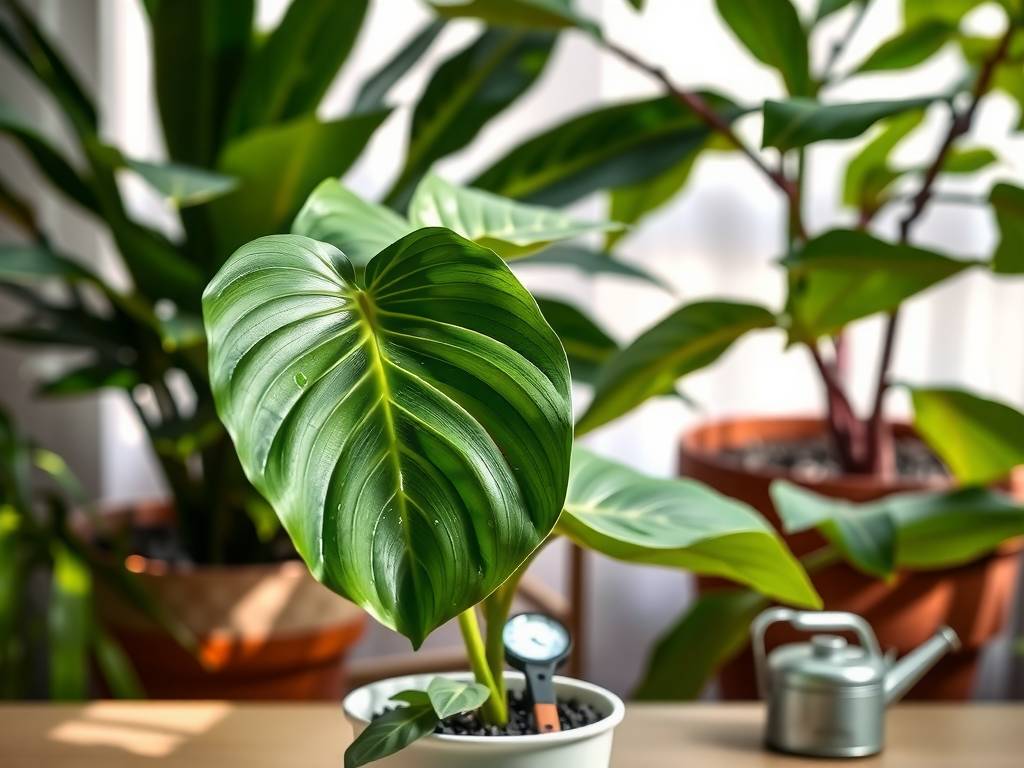
What is Warm Partial Shade? This means bright, indirect light. Imagine sunlight that has filtered through a sheer curtain or bounced off a wall—it's luminous but never harsh or direct. An east-facing window is often ideal, providing gentle morning sun. A north-facing window can work, while a south or west-facing window requires the plant to be set back several feet or shielded by a curtain to prevent scorching.
Signs of Incorrect Lighting Your plant will communicate its distress. If the leaves are pale, leggy (with excessive space between stems), or smaller than usual, it's craving more light. Conversely, if you notice yellowing leaves, brown crispy patches, or bleached spots, your Selloum is likely suffering from too much direct sunlight. Adjust its position gradually and observe the change in new growth, which will tell you if you've found the sweet spot.
Watering Wisdom: Moist But Never Soggy
Perhaps the most common pitfall in Philodendron Selloum care is improper watering. The goal is to maintain moist soil while absolutely avoiding waterlogging, which leads to the dreaded root rot.
Creating a Watering Routine Forget a strict calendar schedule. Instead, adopt the "finger test." Insert your finger about 2 inches into the soil. If it feels dry, it's time to water. If it still feels moist, wait a few more days. When you do water, do so thoroughly until water runs freely from the drainage holes, ensuring the entire root ball is hydrated. Then, empty the saucer underneath to prevent the plant from sitting in water.
The Importance of Drainage This cannot be overstated. A pot with multiple drainage holes is non-negotiable. Use a well-aerated, peat-based potting mix. Many experts, including horticulturists from the Royal Horticultural Society, recommend adding perlite or orchid bark to a standard indoor potting mix to dramatically improve drainage and aeration, creating an ideal root environment that prevents overwatering issues.
Soil and Potting: The Foundation of Health
The right soil mix supports both the moisture retention and drainage your Selloum needs. A high-quality, well-draining potting mix is essential.
Choosing and Making Your Mix A reliable aroid potting mix is a great choice. You can also make your own by combining two parts regular potting soil, one part perlite, and one part peat moss or coco coir. This blend holds some moisture but allows excess water to drain away quickly. Repot your Philodendron Selloum every 2-3 years, or when you see roots circling the bottom of the pot. Choose a new pot only 1-2 inches larger in diameter to prevent excess soil from staying wet too long.
Nurturing Those Iconic Pinnate Leaves
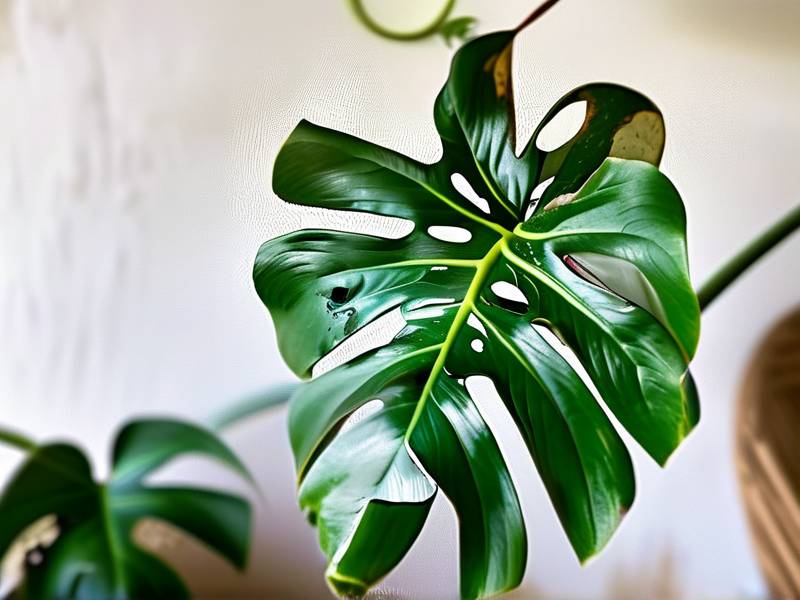
The pinnate leaves—deeply divided, glossy, and expansive—are the star of the show. Their care goes beyond just cleaning.
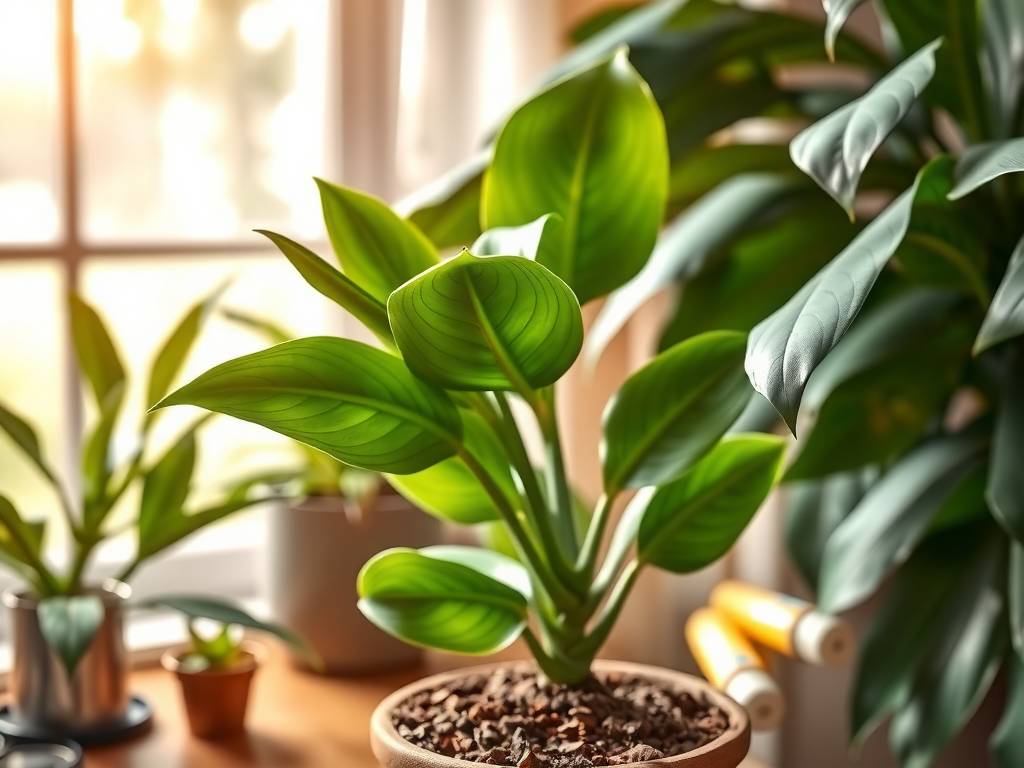
Cleaning and Pruning Dust can clog the pores (stomata) of the leaves, hindering their ability to breathe and photosynthesize. Wipe the leaves gently every few weeks with a damp, soft cloth. This also gives you a chance to inspect for pests. Pruning is simple: use clean, sharp scissors to remove any yellow, brown, or damaged leaves at the base of their stem. You can also trim back overly long stems to maintain a desired shape, which encourages fuller growth.
Boosting Humidity While tolerant of average home humidity, your Selloum will truly flourish with extra moisture in the air. Maintaining adequate humidity levels prevents brown leaf tips and keeps foliage supple. You can increase humidity by grouping plants together, using a pebble tray filled with water placed under the pot, or running a humidifier nearby, especially during dry winter months.
Feeding and Fertilizing for Growth
During the active growing season (spring and summer), your plant will benefit from supplemental nutrition. Feed it monthly with a balanced, water-soluble fertilizer (e.g., 20-20-20), diluted to half the recommended strength. This supports the development of new, healthy foliage. Avoid fertilizing in fall and winter when growth naturally slows, as this can lead to salt buildup in the soil.
Troubleshooting Common Problems
Even with great care, issues can arise. Here’s how to diagnose and fix them:
- Yellowing Leaves: Often a sign of overwatering or poor drainage. Check your soil moisture and drainage immediately.
- Brown Leaf Tips: Typically caused by low humidity, underwatering, or a buildup of salts and minerals from tap water. Use filtered water or let tap water sit out overnight, and increase humidity.
- Drooping Leaves: Can indicate either underwatering or overwatering. Use the finger test to determine which, and adjust accordingly.
- Pests: Watch for common invaders like spider mites (fine webbing), mealybugs (white cottony masses), and scale (brown bumps). Treat early with insecticidal soap or neem oil, applied regularly.
How often should I water my Philodendron Selloum? There's no fixed schedule. The frequency depends on factors like light, temperature, and pot size. Always use the finger test—water only when the top few inches of soil are dry. This might be once a week in summer and every 10-14 days in winter.
Can my Philodendron Selloum tolerate low light? While it is more tolerant than some plants, true low light will stunt its growth and lead to small, sparse leaves. For the impressive, large foliage it's known for, providing sufficient indirect light is critical. Bright, filtered light is the goal.
Is the Philodendron Selloum toxic to pets? Yes. Like many in the Araceae family, it contains calcium oxalate crystals, which can cause oral irritation, drooling, and discomfort if ingested by cats or dogs. It's best to place this plant in a location out of reach of curious pets.
Mastering the care of your Philodendron Selloum is a rewarding journey. By providing the gentle embrace of warm partial shade, committing to a rhythm of thorough watering that avoids sogginess, and tending to the needs of its spectacular split leaves, you create an environment where it can prosper. Pay attention to its signals, adjust your care with the seasons, and enjoy the process. With these principles in hand, you're equipped to cultivate not just a plant, but a vibrant, long-lasting centerpiece of greenery that brings a slice of the rainforest into your daily life.