bluename
 The Ultimate Guide to Fiddle-Leaf Fig Care: Thriving with Strong Light and Glossy Leaves
You've brought home that stunning fiddle-leaf fig, captivated by its dramatic, violin-shaped glossy leaves that promise to transform your space into an urban jungle oasis. But now, the anxiety sets in. A brown spot appears, a leaf drops, and you're left searching for answers. Why are the leaves turning yellow? Is it getting enough light? You're not alone. The fiddle-leaf fig (Ficus lyrata) has a reputation for being finicky, but its care fundamentally boils down to understanding a few non-negotiable needs: strong light, a well-ventilated environment, and consistent care to maintain those iconic glossy leaves. This comprehensive guide will demystify the process, providing you with expert-backed, actionable steps to help your plant not just survive, but thrive.
Understanding Your Fiddle-Leaf Fig's Core Needs
Before diving into watering schedules and fertilizer, it's crucial to grasp what this plant evolved for. Native to West African lowland rainforests, it grows in the dappled but strong light of the canopy, in warm, humid, and well-ventilated conditions. Replicating this environment is the key to success. A study by the University of Florida's IFAS Extension on foliage plants emphasizes that light is the most critical factor influencing growth, leaf size, and overall plant health. Your fiddle-leaf fig's demand for bright, indirect light isn't a suggestion—it's a physiological requirement.
Providing the Perfect Light: Strong But Not Scorching
The phrase "bright, indirect light" is paramount for caring for a fiddle-leaf fig. This means a spot where the plant receives plenty of ambient light all day, but where the sun's rays never directly hit the leaves for prolonged periods. A south or east-facing window is often ideal, with a sheer curtain acting as a perfect filter.
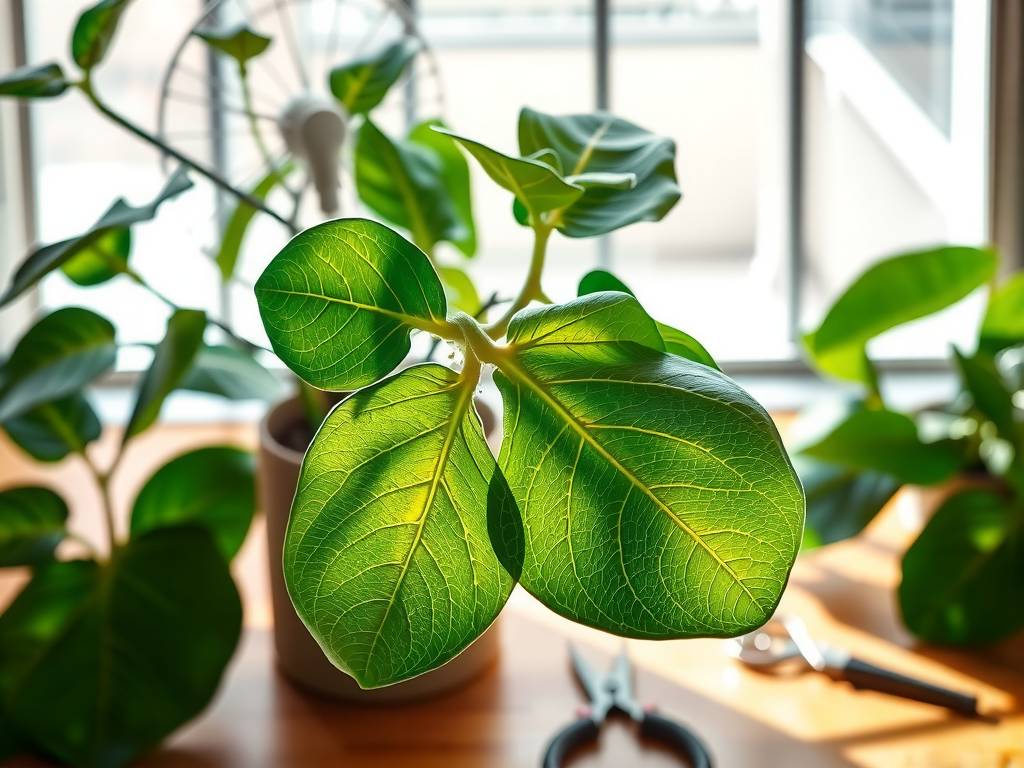
- Signs of Insufficient Light: Your plant will tell you. Look for slowed or leggy growth, smaller new leaves, and a general lack of that vibrant, deep green color. The plant may also lean heavily toward the light source.
- Signs of Too Much Direct Sun: Ironically, while it craves strong light, direct afternoon sun can scorch the large leaves, leaving crispy, brown patches. If you notice bleached spots or scorch marks, pull the plant back from the window.
- Pro Tip: Rotate your plant a quarter turn every time you water. This ensures all sides receive even light, promoting symmetrical growth and preventing that awkward lean.
The Art of Watering: Consistency is King
Watering is where most fiddle-leaf fig owners stumble. The goal is consistent, even moisture—never soggy, never bone dry.
- The Finger Test: Before you water, insert your finger two inches into the soil. If it feels dry, it's time to water. If it's still damp, wait.
- Water Thoroughly: When you do water, do so completely until water runs freely out of the drainage holes. This ensures the entire root ball is hydrated. Always empty the saucer afterward; a well-ventilated root zone is as important as a ventilated room.
- Adjust for Seasons: Your plant will drink more in the spring and summer (its active growing season) and less in the fall and winter. Reduce your watering frequency accordingly.
Overwatering leads to root rot, signaled by yellowing leaves and leaf drop. Underwatering causes the plant to conserve resources, leading to dry, crispy edges and leaf loss. Finding the balance is your most important task.
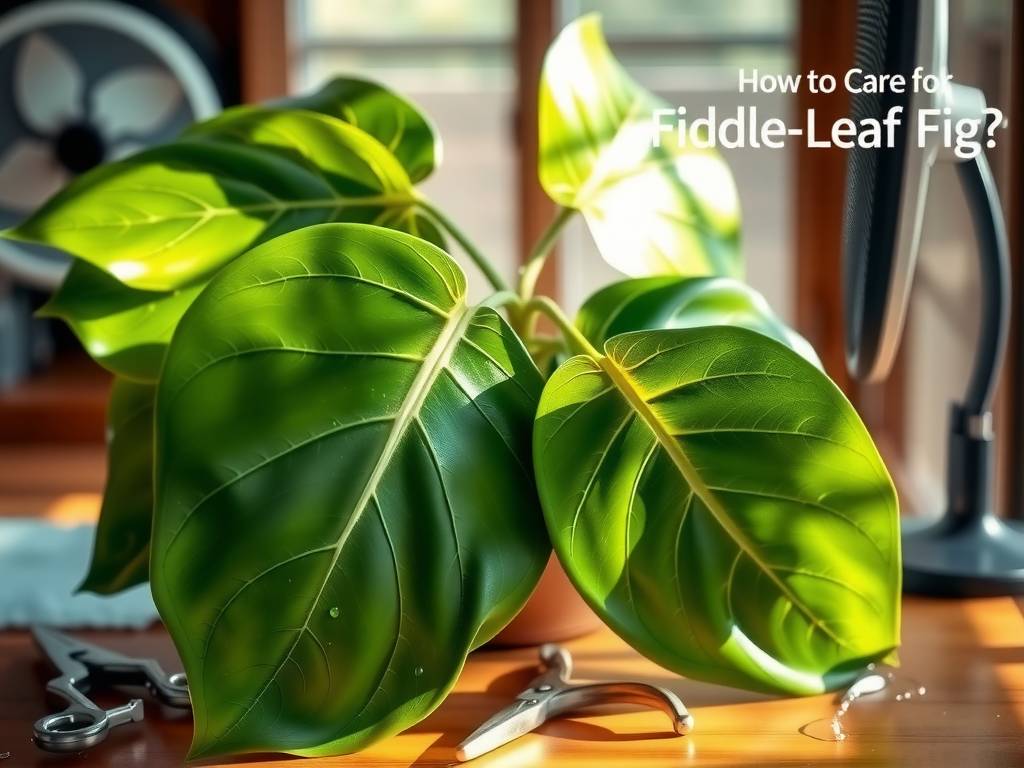
Creating a Well-Ventilated Environment
Well-ventilated doesn't mean placing your plant in a windy corridor. It means ensuring good air circulation around the plant to prevent stagnant, moist air that fosters fungal diseases and pests.
- Strategic Placement: Avoid cramming it into a crowded corner with other plants. Allow space for air to flow around its foliage.
- Use a Fan: In rooms with poor air circulation, running a ceiling fan on low or a small oscillating fan in the distance can dramatically improve the microclimate.
- Dust Those Leaves: The large, glossy leaves of the fiddle-leaf fig are dust magnets. A layer of dust blocks light and clogs pores. Wipe them down gently every few weeks with a damp, soft cloth. This not only aids photosynthesis but also helps you inspect for pests.
Feeding and Soil for Lush Growth
To support those magnificent violin-shaped leaves, your plant needs nutrients. Use a balanced, water-soluble fertilizer (like a 3-1-2 N-P-K ratio) diluted to half-strength. Feed only during the growing season (spring and summer), once a month. In fall and winter, cease feeding.
The right soil is critical for drainage and root health. A well-draining, peat-based potting mix is ideal. Many experts, like those from the Royal Horticultural Society, recommend adding perlite or orchid bark to a standard indoor potting mix to increase aeration and prevent compaction, further ensuring those roots stay well-ventilated.
Troubleshooting Common Fiddle-Leaf Fig Problems
- Brown Spots on Edges: Usually a sign of underwatering or low humidity. Increase watering consistency and consider a humidifier or pebble tray.
- Brown Spots in the Center of Leaves: Often indicates overwatering or a fungal infection from poor air circulation. Check your watering habits and improve ventilation.
- Leaf Drop: A few lower leaves dropping occasionally is normal. Sudden, significant leaf drop is a stress signal—often from drastic temperature changes, drafty locations, or severe over/underwatering.
- Lack of Glossy Leaves: Dull leaves can result from dust, hard water residue, or nutrient deficiency. Regular cleaning and proper feeding will restore the shine.
Repotting and Long-Term Care
Your fiddle-leaf fig will need repotting every 1-2 years, or when you see roots circling the bottom of the pot. Choose a new pot only 1-2 inches larger in diameter. Spring is the best time for this task to minimize shock. When repotting, inspect the roots and trim any that are black or mushy.
How often should I water my fiddle-leaf fig? There is no universal weekly schedule. The frequency depends on your home's light, temperature, and humidity. Always use the finger test to check soil moisture before watering. In most homes, this averages out to every 7-10 days in summer and every 10-14 days in winter.
Can my fiddle-leaf fig tolerate low light? While it may survive in lower light for a while, it will not thrive. Growth will stall, leaves will become sparse and smaller, and the plant will become increasingly susceptible to overwatering issues. For a healthy plant with large, glossy leaves, strong light is non-negotiable.
Why are the new leaves on my fiddle-leaf fig so small? Small new growth is typically a direct cry for more light or more nutrients. Ensure your plant is in its ideal bright spot and that you are feeding it appropriately during the growing season. Sometimes, it can also indicate that the plant is root-bound and needs repotting.
Mastering the care of your fiddle-leaf fig is a rewarding journey. By faithfully providing strong, indirect light, watering with mindful consistency, and ensuring a well-ventilated space, you create the foundation for success. Pay attention to the signals in its glossy, violin-shaped leaves—they are the best communication you have. With patience and these focused practices, your fiddle-leaf fig will grow into the stunning, architectural centerpiece you envisioned, bringing a vibrant piece of the tropics into your daily life.