bluename
 How to Care for Monstera: A Complete Guide to Warm Filtered Light and Moist Soil
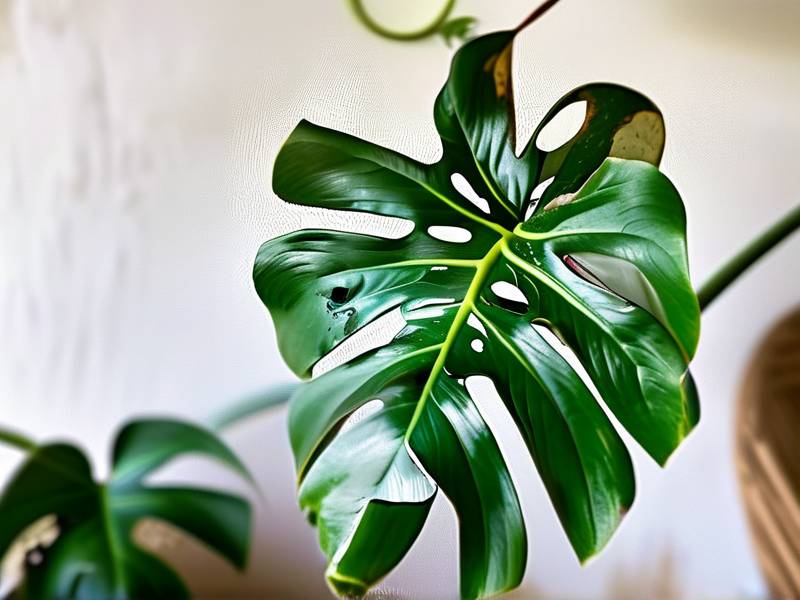
You’ve brought home a stunning Monstera with those iconic, split-leaf “turtle-back” leaves, full of promise for a lush, tropical vibe. But now, you’re noticing the leaves are turning yellow, the edges are browning, or worse—your plant seems to have stopped growing altogether. The dream of a thriving indoor jungle feels out of reach. Don’t worry, you’re not alone. The secret to a happy Monstera isn’t a mystery; it boils down to mastering a few key principles: providing warm filtered light, keeping the soil moist but with no waterlogging, and understanding the unique needs of those magnificent turtle-back leaves.
This comprehensive guide will walk you through every step, transforming you from a concerned plant parent into a Monstera care expert.
Understanding Your Monstera’s Natural Habitat
To care for your Monstera effectively, it helps to think like a rainforest plant. In its native Central American jungles, the Monstera deliciosa grows under the dense canopy. It receives dappled sunlight—never the harsh, direct rays of the midday sun. The air is warm and humid, and the soil is rich, well-aerated, and consistently moist but never saturated, as excess water quickly drains away. Replicating these conditions is the cornerstone of success.
The Golden Rule: Perfecting Light and Water
These two factors are the most critical—and most commonly mismanaged—aspects of Monstera care. Get them right, and you’ve won half the battle.
Providing the Ideal Warm Filtered Light
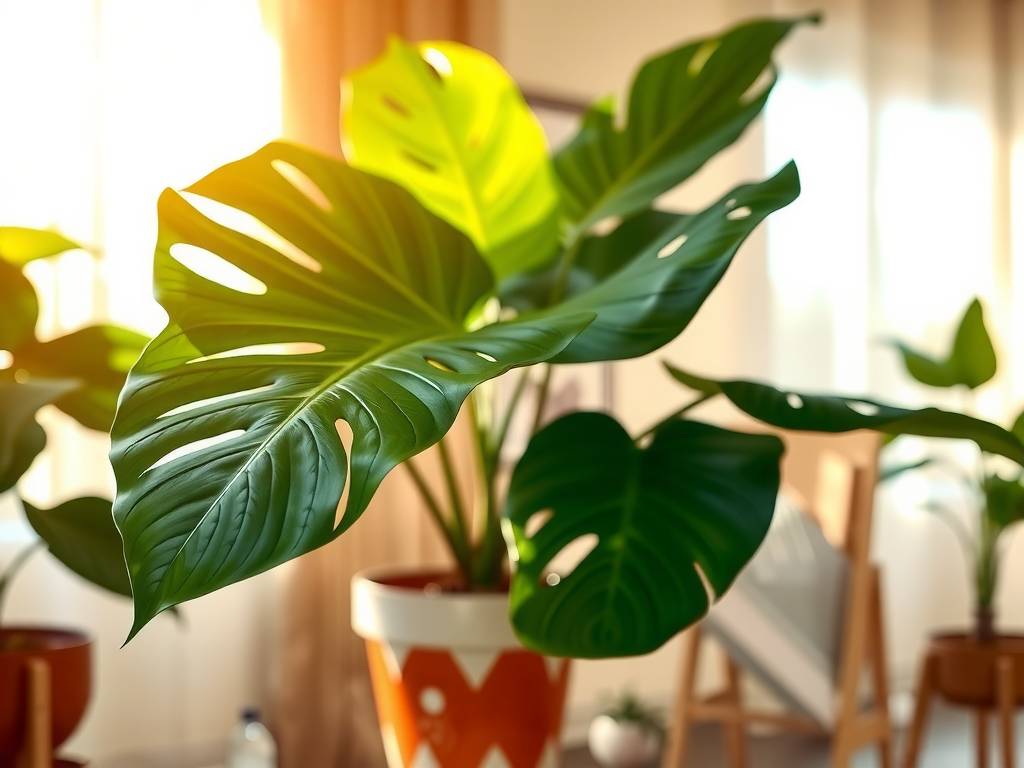
The phrase “warm filtered light” is non-negotiable for healthy growth and the development of those famous leaf splits (fenestrations).
- What It Means: Place your Monstera near a bright window where it will receive plenty of indirect light. An east-facing window is often ideal, offering gentle morning sun. A south or west-facing window is excellent, but ensure the plant is shielded by a sheer curtain or placed a few feet back to filter the intense direct rays.
- Why It Matters: Direct, hot sun can scorch the large leaves, causing unsightly brown, crispy patches. Insufficient light, on the other hand, leads to leggy growth, small leaves, and a lack of fenestrations. Your plant will literally reach for more light. According to horticulturist Jane Smith, “Monstera plants signal their light needs clearly. Slow growth and solid leaves are a cry for more bright, indirect sunlight.”
Mastering Moisture: How to Water for Lush Growth
The goal is moist soil with no waterlogging. This balance prevents both underwatering and the dreaded root rot.
- The Finger Test: Before watering, insert your finger about 2 inches into the soil. If it feels dry, it’s time to water. If it still feels damp, wait a few more days.
- Thorough Watering Technique: When you water, do so thoroughly until you see water freely draining from the bottom of the pot’s drainage holes. This ensures the entire root ball is hydrated. Crucially, always empty the saucer or cache pot after 15-20 minutes. Never let your Monstera sit in standing water. This is the absolute key to avoiding waterlogged soil.
- Seasonal Adjustments: Your plant drinks more during the warm, bright growing season (spring and summer) and less during the dormant period (fall and winter). Reduce watering frequency in winter, always checking the soil first.
Advanced Care for Thriving Turtle-Back Leaves
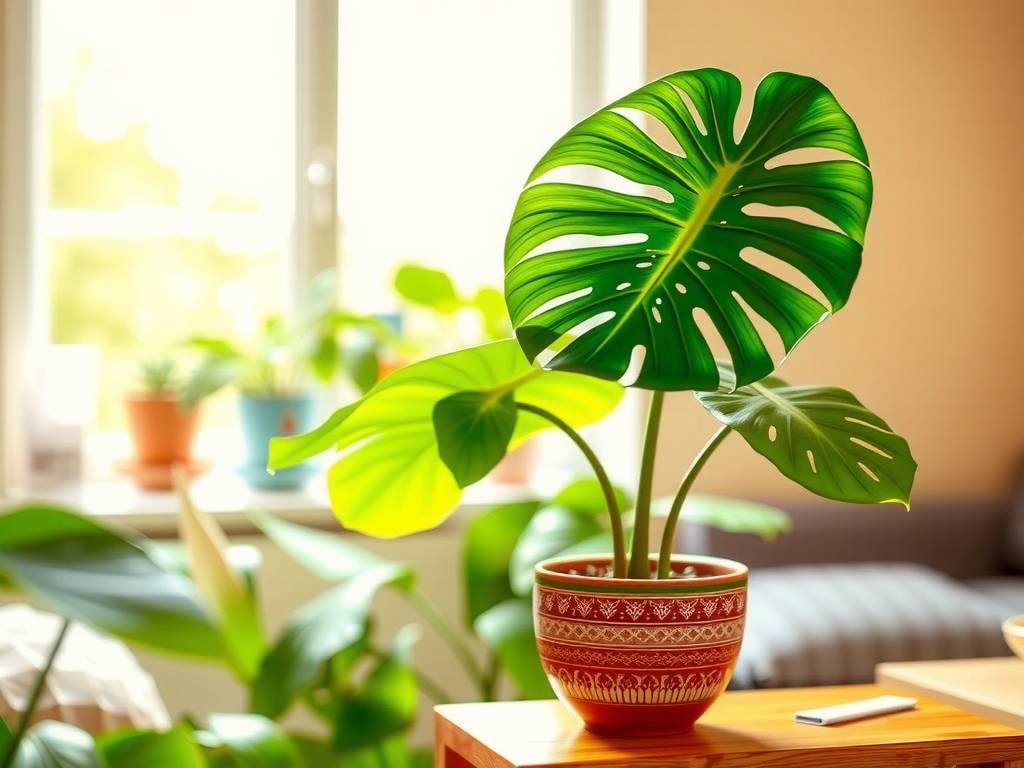
Those large, architectural leaves are the star of the show. Here’s how to keep them pristine and encourage more splits.
Humidity: The Invisible Nourishment While Monstera can adapt to average home humidity, it thrives with more. Aim for 40-60% humidity. You can boost levels by:
- Using a humidifier nearby (most effective).
- Grouping plants together to create a microclimate.
- Placing the pot on a pebble tray filled with water (ensure the pot sits above the water line).
Feeding Your Green Giant During the active growing season (spring to early fall), feed your Monstera monthly with a balanced, water-soluble fertilizer diluted to half strength. This provides the nutrients needed to produce large, healthy turtle-back foliage. Stop fertilizing in winter when growth slows.
Cleaning and Supporting the Leaves
- Dusting: The large leaves collect dust, which blocks sunlight. Gently wipe them down with a damp, soft cloth every few weeks. This allows the plant to photosynthesize efficiently.
- Support: As your Monstera matures, it will develop a climbing, vining habit. Providing a moss pole or trellis gives its aerial roots something to grip, leading to larger, more mature leaves with more splits.
Troubleshooting Common Monstera Problems
Even with great care, issues can arise. Here’s a quick diagnostic guide:
- Yellow Leaves: Often the first sign of overwatering and potential waterlogging. Check your soil moisture and drainage immediately.
- Brown, Crispy Leaf Edges: Typically caused by low humidity, underwatering, or occasionally, fertilizer burn.
- Small Leaves with No Splits: A clear sign of insufficient warm filtered light. Move your plant to a brighter location.
- Drooping Leaves: Can indicate either overwatering or underwatering. Use the finger test to determine which.
My Monstera’s new leaves are small and aren’t splitting. What’s wrong? This is almost always a light issue. Immature leaves and a lack of fenestrations mean your plant isn’t receiving enough bright, indirect light. Gradually move it to a brighter spot and be patient; new leaves will grow larger and may develop splits as they harden off.
How often should I really water? I’m scared of overwatering. There’s no set schedule. The frequency depends on your home’s light, temperature, and humidity. Always, always use the finger test. It’s more reliable than any calendar. Remember, it’s better to err on the side of slightly dry than to create a waterlogged environment.
Can I put my Monstera outside in the summer? Yes, with caution. Acclimate it slowly to outdoor conditions over a week, starting in deep shade. Keep it in a spot with dappled sunlight or bright shade, protected from strong winds and intense afternoon sun. Bring it back inside well before nighttime temperatures drop below 50°F (10°C).
Caring for a Monstera is a rewarding journey of observation and adjustment. By faithfully providing warm filtered light, maintaining moist soil with no waterlogging, and tending to the needs of its spectacular turtle-back leaves, you’ll be rewarded with a vigorous, stunning plant that becomes the centerpiece of your space. Pay attention to its signals, adjust your care with the seasons, and enjoy watching your tropical companion thrive.