bluename
 How to Care for Your Rubber Plant: A Guide to Thriving Ficus Elastica
You've brought home a stunning rubber plant with its glossy, large green leaves, dreaming of a lush indoor jungle corner. But now, those leaves are drooping, developing brown spots, or worse, falling off. Don't worry—you're not alone. The Ficus elastica, while famously resilient, has specific needs that, when unmet, lead to common frustrations. This comprehensive guide will walk you through every step, transforming you from a concerned plant parent into a confident rubber plant expert, ensuring your botanical buddy not only survives but thrives.
Understanding Your Rubber Plant's Origins
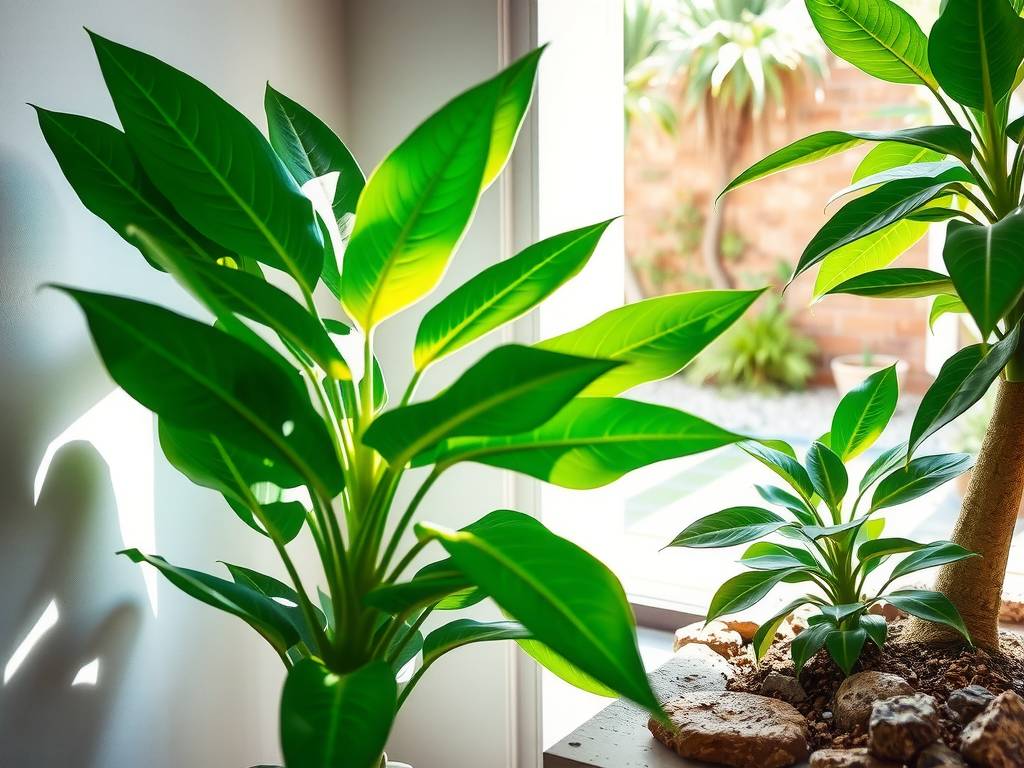
To care for it well, know where it comes from. Native to the tropical forests of Southeast Asia, the rubber plant is accustomed to dappled sunlight, consistent warmth, and periods of rainfall followed by drier spells. This heritage is the key to its care: it loves bright, indirect light, appreciates thorough watering followed by a chance to dry out, and thrives in stable, warm environments. Mimicking these conditions is your recipe for success.
Light: The Delicate Balance Between Strong Light and Shade
This is perhaps the most critical factor. Your rubber plant sends clear signals through its leaves about its light satisfaction.
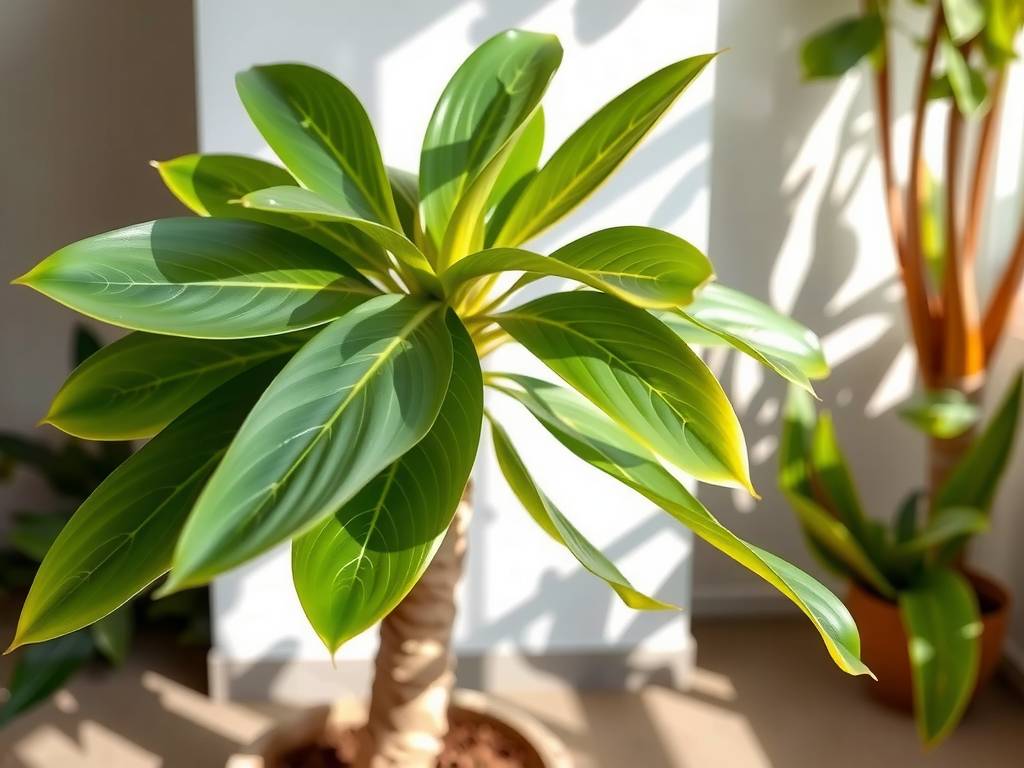
Ideal Lighting Conditions Your rubber plant craves bright, indirect light. Think of the light under a canopy of trees—bright but without the harsh, direct rays of the sun. An east-facing window is perfect, or a spot a few feet back from a south or west-facing window, perhaps filtered by a sheer curtain. This quality of light encourages steady growth and maintains the deep, rich color of those large green leaves.
Signs of Too Much Light (Strong Light Issues) If exposed to direct, strong light, especially the hot afternoon sun, the leaves will protest. You'll see scorch marks: bleached, yellow, or crispy brown patches on the leaves, often on the areas most exposed. The leaves may also feel warm to the touch. If this happens, relocate your plant immediately to a shadier spot.
Signs of Too Little Light (Excessive Shade) On the other hand, deep shade is equally problematic. In low light, your plant will become "leggy," stretching out with long stems and wide gaps between leaves as it searches for light. Growth will slow or stop entirely, and the lower leaves may yellow and drop. The new leaves might be smaller and lack their characteristic vibrancy. While notably drought-tolerant, it cannot tolerate perpetual gloom.
Watering: Mastering the Drought-Tolerant Nature
Here's where its drought-tolerant reputation comes into play. It's far better to underwater than overwater a rubber plant.
The Golden Rule: Soak and Dry Water your rubber plant thoroughly until water runs freely out of the drainage holes. This ensures the entire root ball is moistened. Then, let it be. Allow the top 2-3 inches of soil to dry out completely before watering again. In most indoor settings, this translates to watering every 1-2 weeks in warmer months and potentially every 3-4 weeks in winter. Always let the soil, not the calendar, be your guide.
The Perils of Overwatering Overwatering is the fastest way to kill a rubber plant. Soggy soil suffocates the roots, leading to root rot. Signs include rapidly yellowing leaves, a wilted or mushy appearance despite wet soil, and leaf drop. If you suspect overwatering, stop watering immediately, check the roots for rot (black and mushy), and repot into fresh, well-draining soil if necessary.
Humidity and Temperature: Creating a Tropical Microclimate
While adaptable to average home humidity, your rubber plant will truly shine with a bit of extra moisture in the air.
Boosting Humidity Aim for humidity levels around 40-50%. You can achieve this by grouping plants together, using a pebble tray filled with water placed beneath the pot (ensure the pot isn't sitting in water), or running a humidifier nearby. Misting the large green leaves occasionally can help, but it's a temporary fix and should not replace other methods. As noted by horticulturist Jane Perrone in her studies of houseplant care, "Consistent ambient humidity does more for foliar health than sporadic leaf misting."
Optimal Temperature Range Keep your plant in a room between 60°F (15°C) and 80°F (27°C). Avoid cold drafts from doors, windows, or air conditioning vents, as sudden temperature drops can cause leaf drop.
Soil and Fertilization: The Foundation of Health
Choosing the Right Potting Mix A well-draining, aerated potting mix is non-negotiable. A standard indoor potting mix amended with perlite or orchid bark (about a 3:1 ratio) works perfectly. This mix prevents waterlogging, supporting the plant's drought-tolerant tendencies by allowing excess water to escape quickly.
Feeding for Vibrant Growth During the active growing season (spring and summer), feed your rubber plant once a month with a balanced, water-soluble fertilizer diluted to half-strength. There's no need to fertilize in fall and winter when growth naturally slows. Over-fertilization can lead to salt buildup in the soil and leaf burn.
Pruning and Cleaning: Encouraging Bushiness and Shine
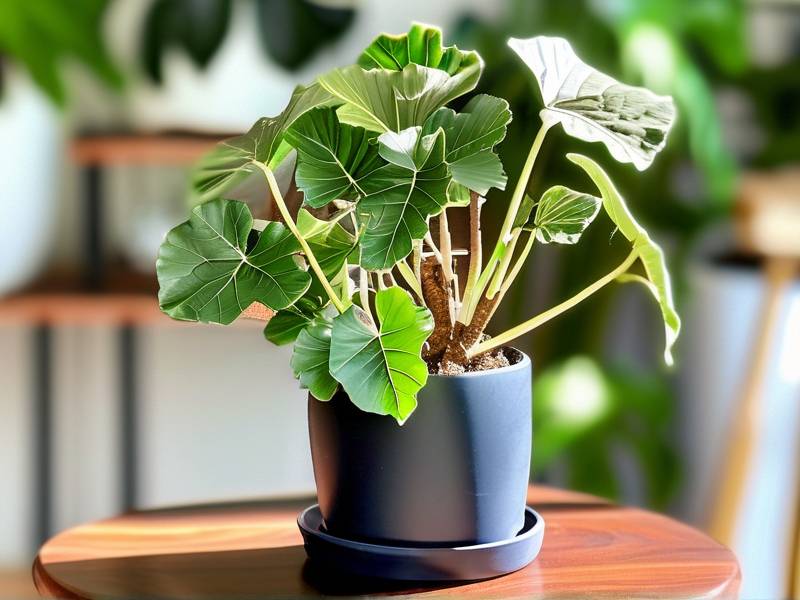
Pruning for Shape To encourage a bushier, fuller plant rather than a tall, single stem, practice tip pruning. In spring or early summer, use clean, sharp shears to cut just above a leaf node (the point where a leaf attaches to the stem). This will prompt the plant to branch out at that point. You can also remove any leggy or damaged stems.
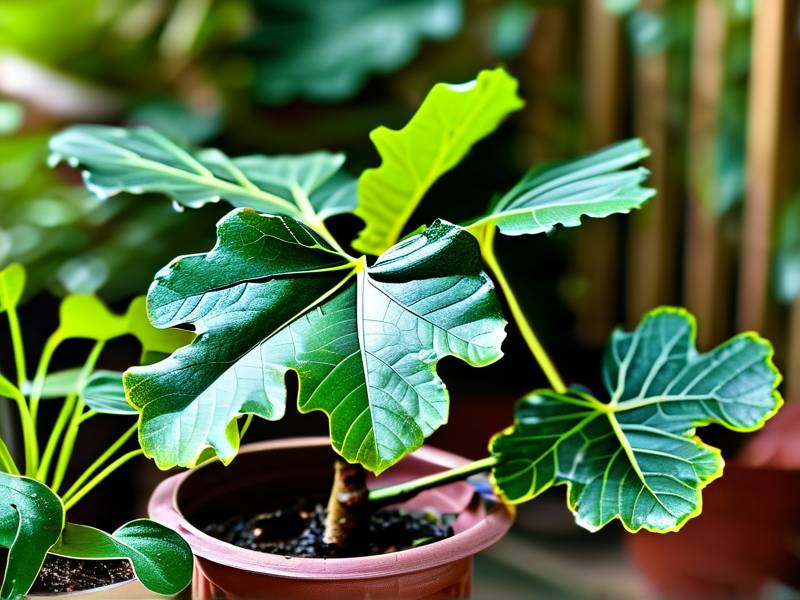
Cleaning the Leaves Those large green leaves are dust magnets. Dust blocks sunlight and hampers photosynthesis. Gently wipe the leaves every few weeks with a soft, damp cloth. This not only keeps the plant healthy but also showcases its gorgeous, glossy foliage.
Troubleshooting Common Problems
- Yellowing Leaves: Often a sign of overwatering. Check your soil moisture. Can also indicate under-watering, poor drainage, or sometimes a nutrient deficiency.
- Brown Leaf Tips or Edges: Usually caused by low humidity, underwatering, or a buildup of salts and minerals from tap water or fertilizer. Use filtered water if possible and flush the soil periodically.
- Leaf Drop: Sudden leaf drop is typically a reaction to environmental stress: a drastic change in temperature, light, or location. Rubber plants are creatures of habit; try to keep their conditions stable.
- Pests: Watch for mealybugs (cotton-like clusters) or spider mites (fine webbing). Wipe leaves with insecticidal soap or neem oil solution.
Frequently Asked Questions
Why are the leaves on my rubber plant falling off? Sudden leaf drop is almost always an environmental shock. Have you recently moved it, has the temperature changed dramatically, or is it sitting in a draft? Assess changes in its location and conditions. Consistent care is key to stopping leaf drop.
Can my rubber plant tolerate low light conditions? While it can survive in lower light for a period, it will not thrive. In deep shade, growth will stall, leaves may become sparse, and the plant will lose its vigor. For the healthiest plant with those characteristic large green leaves, provide as much bright, indirect light as possible.
How do I make my rubber plant bushy instead of tall? Regular tip pruning is the answer. Each time you snip off the growing tip, the plant is stimulated to produce new branches from the nodes below the cut. Do this in the growing season, and be patient—your plant will gradually become fuller and more compact.
Caring for a rubber plant is a rewarding journey of understanding its simple yet specific language. By providing the right balance of bright light without direct scorching sun, respecting its drought-tolerant nature through careful watering, and maintaining a stable, warm environment, you'll be rewarded with a robust, architectural plant. Its magnificent large green leaves will not only purify your air but also bring a enduring sense of calm and natural beauty to your space for years to come.