bluename
 How to Care for Snake Plant: The Ultimate Guide to Thriving, Shade-Tolerant Greenery
Are you tired of houseplants that wilt the moment you forget to water them or demand a perfect sun-drenched spot you simply don’t have? You want greenery that thrives on your busy schedule and adapts to your home’s light conditions. The solution is the remarkably resilient snake plant. Known for its striking striped leaves and incredible adaptability, this plant is a perfect match for modern living. This comprehensive guide will show you exactly how to care for snake plant, unlocking its full potential as a beautiful, shade-tolerant, and drought-tolerant companion that might even surprise you with rare, fragrant white flowers.
Understanding Your Snake Plant: More Than Just Striped Leaves
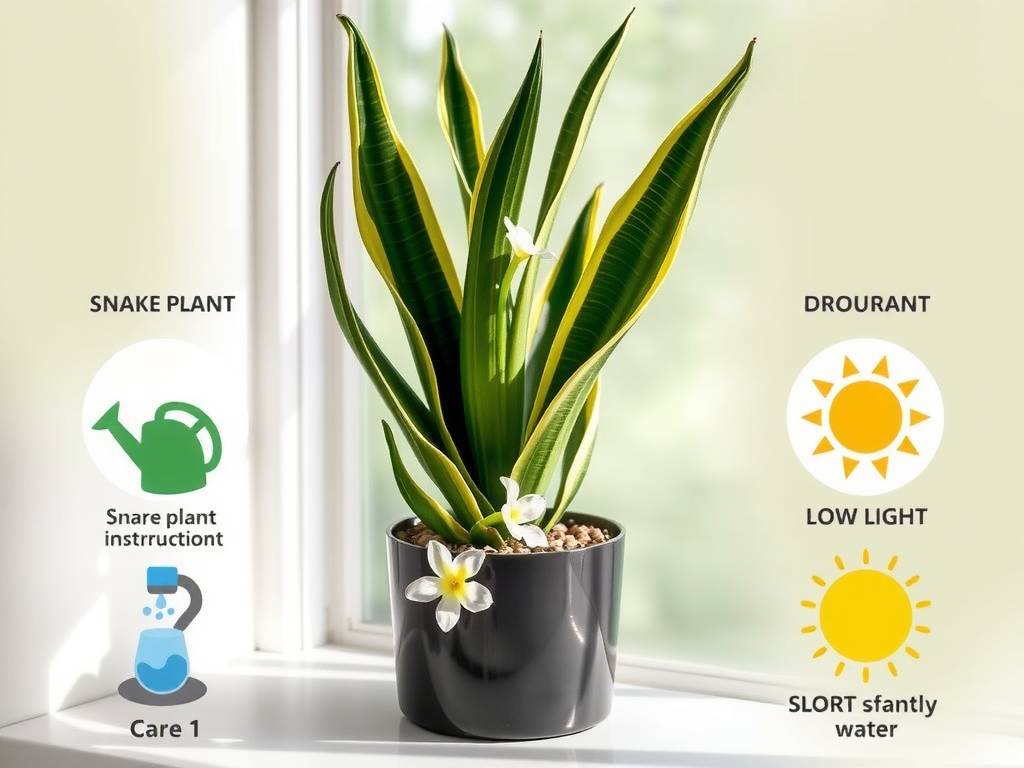
Before we dive into care, let’s appreciate what makes this plant special. Scientifically known as Sansevieria (though recently reclassified into the Dracaena genus), the snake plant boasts architectural, upright leaves that come in various patterns. The most common feature is the captivating striped leaves, with bands of green, yellow, or silver. But its beauty is matched by its biology. According to a famous NASA Clean Air Study, snake plants are excellent at filtering indoor air pollutants, adding a layer of practical benefit to their aesthetic appeal.
Their secret to survival lies in their rhizomes and thick, succulent leaves. These act as water reservoirs, granting the plant its legendary drought-tolerant nature. This built-in hydration system is your key to a stress-free plant care routine.
The Perfect Environment: Mastering Light, Water, and Soil
Creating the right environment is the cornerstone of learning how to care for snake plant successfully. The good news? It’s incredibly forgiving.
Light Requirements: Embracing Shade-Tolerant Qualities
While they can adapt to various light levels, snake plants truly shine as shade-tolerant champions. They prefer bright, indirect light but will tolerate low-light corners where other plants would struggle. Direct, harsh afternoon sun can scorch their beautiful striped leaves, causing brown tips or faded color. A north-facing room or a spot a few feet away from an east or west-facing window is ideal. Their ability to thrive in lower light makes them a top choice for offices, bathrooms, and hallways.
The Art of Watering: Less is Truly More
This is where most new owners go wrong. The snake plant’s drought-tolerant superpower means it despises soggy soil. Overwatering is the fastest way to cause root rot. The golden rule: when in doubt, wait it out.
Allow the soil to dry out completely between waterings. In winter, you might only need to water once every 6-8 weeks. In warmer, brighter months, watering every 2-4 weeks may suffice. Always check the soil moisture by sticking your finger about two inches into the potting mix. If it feels dry, it’s time for a thorough soak, ensuring excess water drains freely from the pot’s bottom.
Soil and Potting: The Foundation for Health
A well-draining potting mix is non-negotiable. Use a cactus or succulent mix, or create your own by blending regular potting soil with perlite or coarse sand (in a 2:1 ratio). This ensures quick drainage, preventing water from pooling around the roots.
Choose a pot with ample drainage holes. Terracotta pots are excellent as they are porous and help wick away extra moisture. Repotting is only necessary every 3-5 years or when you see roots emerging from the drainage holes, a clear sign your resilient plant is ready for a slightly larger home.
Advanced Care for Vibrant Growth and Blooms
Once you’ve mastered the basics, a few extra steps can encourage your plant to thrive and potentially reward you with its elusive bloom.
Feeding for Strength
Snake plants are not heavy feeders. During the growing season (spring and summer), you can feed them with a balanced, diluted liquid fertilizer (like a 10-10-10 formula) once a month. Avoid fertilizing in fall and winter when growth naturally slows. Over-fertilizing can harm the roots and distort the beautiful patterns on the striped leaves.
Encouraging the Fragrant Surprise: White Flowers
While not guaranteed, mature, slightly pot-bound snake plants grown under mild stress (like bright light and infrequent watering) may send up a flower stalk. These delicate, creamy white flowers emerge on a long spike and open at night, releasing a sweet, jasmine-like fragrance. It’s a rare and special event that signifies you’ve provided excellent, balanced care. Don’t be alarmed if your plant never flowers; its stunning foliage is the main attraction.
Troubleshooting Common Issues
Even the toughest plants can face challenges. Here’s how to identify and fix common problems.
- Soft, Mushy Leaves or Brown Bases: This is a classic sign of overwatering and root rot. Act immediately by removing the plant from its pot, cutting away any black, mushy roots with sterile shears, and repotting into fresh, dry, well-draining soil. Hold off on watering for a week.
- Wrinkled, Dry Leaves: This indicates prolonged underwatering. While drought-tolerant, they still need water! Give the plant a deep soak, and it should plump back up within a few days.
- Faded or Scorched Leaves: Too much direct sun. Relocate your plant to a spot with more indirect light to preserve the color and pattern of its striped leaves.
- Pest Problems: Snake plants are generally pest-resistant but can occasionally attract mealybugs or spider mites in dry conditions. Wipe leaves with a cloth dipped in a mild soapy water solution or use insecticidal soap.
Propagation: Sharing the Resilience
One of the joys of snake plant care is how easy they are to propagate. You can create new plants through leaf cuttings or division.
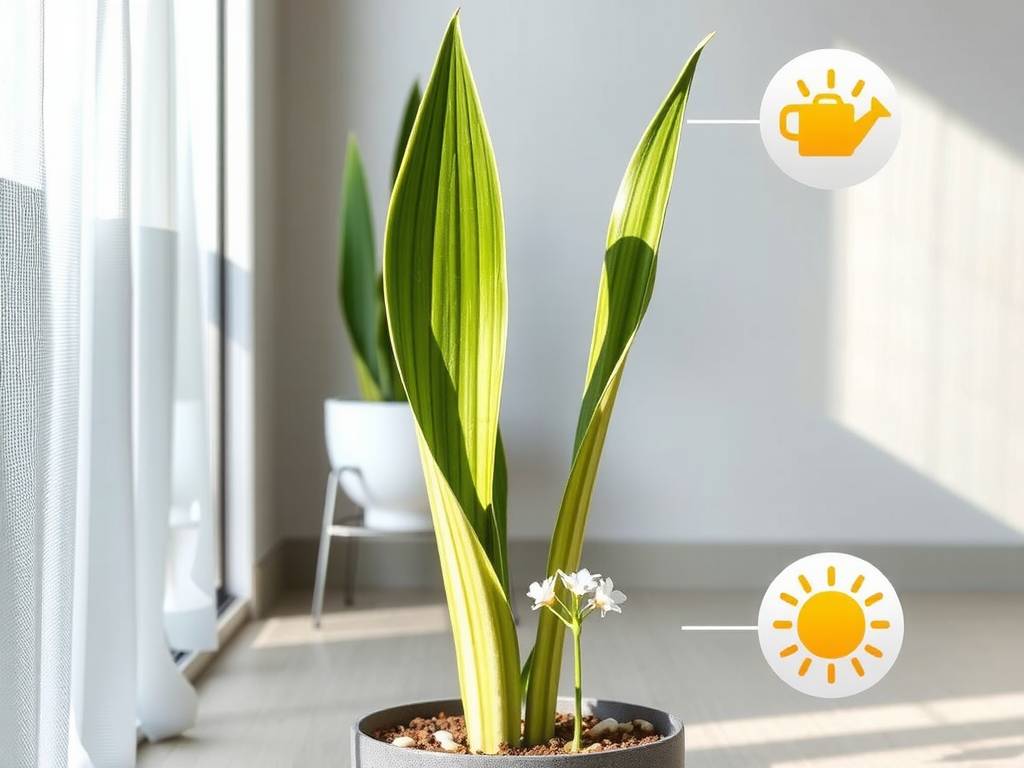
Division is the simplest method. When repotting, gently separate a clump of leaves with its attached roots (rhizome) using a clean knife. Pot this new section separately.
For leaf cuttings, cut a healthy leaf into 3-4 inch sections, let the cut ends callous over for a day or two, and then insert them into moist potting mix. Keep the soil lightly moist, and new shoots will emerge from the base in a few weeks. Note: Propagating a variegated variety from leaf cuttings may result in pups that revert to solid green leaves.
My snake plant’s leaves are drooping. What does this mean? Drooping or floppy leaves are almost always caused by overwatering, which weakens the plant's structure. Check the soil and roots immediately. If the soil is wet and the base is soft, follow the root rot treatment steps. In rare cases, extreme lack of light can also cause weak, drooping growth.
Can I use leaf shine products on the striped leaves? It's not recommended. These products can clog the pores of the leaves. To clean dust and restore shine, simply wipe the leaves gently with a damp, soft cloth. This allows the plant to breathe and photosynthesize efficiently.
Is the snake plant safe for pets? While snake plants have mild toxicity if ingested, they are not considered highly poisonous. According to the ASPCA, they contain saponins which can cause nausea, vomiting, or diarrhea in cats and dogs. It’s best to place them out of reach of curious pets.
Embracing the snake plant means welcoming a piece of natural resilience into your home. By understanding its shade-tolerant and drought-tolerant nature, you provide it with the simple care it needs to stand tall. Whether you admire its bold striped leaves or dream of witnessing its fragrant white flowers, this plant offers enduring beauty with minimal fuss. Start applying these steps today, and enjoy the confidence of nurturing a plant that not only survives but thrives alongside you.