bluename
 How to Care for Aloe Vera: A Complete Guide to Strong Light, Dry Soil, and Vibrant Growth
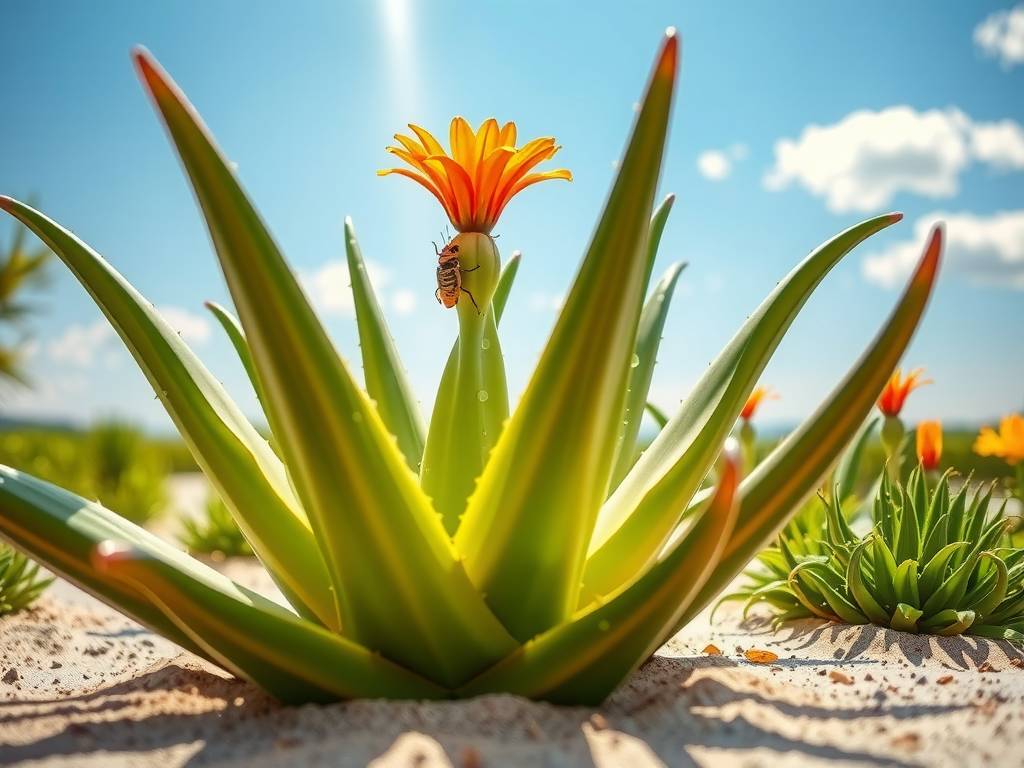
You’ve brought home a plump, green aloe vera plant, drawn by its promise of easy care and soothing gel. But now, its leaves are turning brown, becoming thin and droopy, or it simply refuses to grow. This common frustration stems from one root cause: misunderstanding its true needs. Contrary to the “set it and forget it” myth, aloe vera thrives under specific conditions that mimic its native desert habitat. Mastering these conditions is the key to unlocking its full potential—thick, succulent leaves packed with gel and even the occasional surprise of a stunning orange flower spike.
This definitive guide cuts through the confusion. We’ll walk you through the exact steps to provide the strong light it craves, master the dry-tolerant watering routine it depends on, and create the environment where those thick green leaves can flourish. With the right care, you might just be rewarded with the rare and beautiful sight of its orange blooms.
Understanding Your Aloe Vera’s Origins
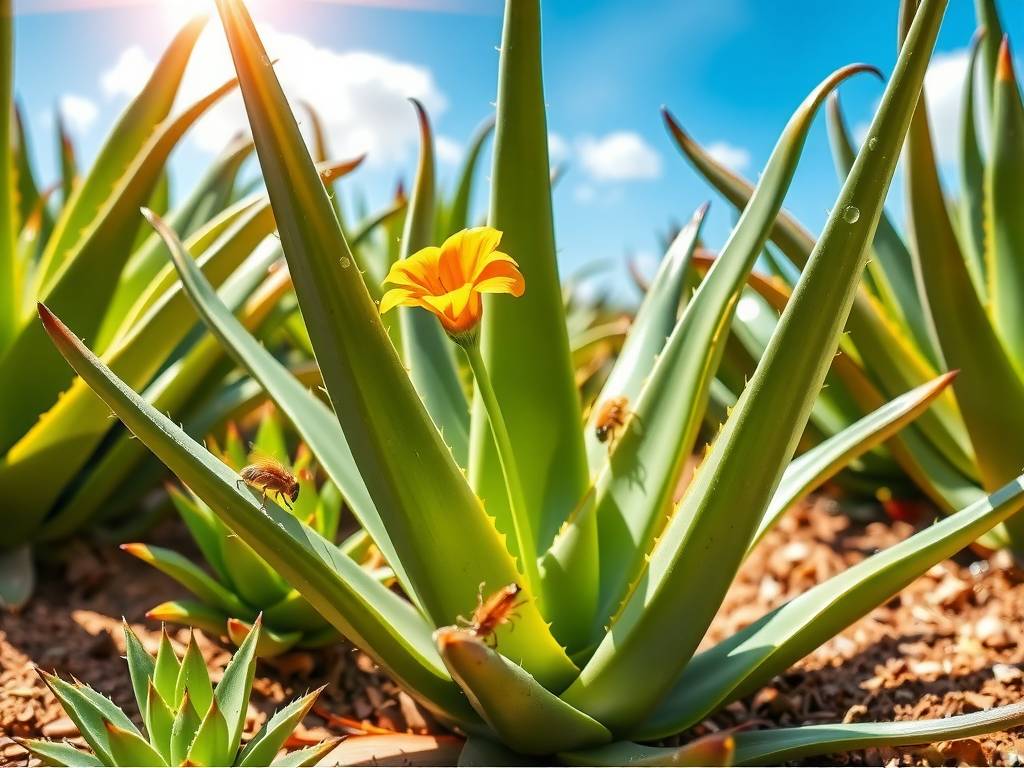
To care for aloe vera effectively, think like a desert gardener. These succulents originate from arid regions in the Arabian Peninsula, storing water in their thick, fleshy leaves to survive long droughts. This evolutionary history dictates every aspect of their care: an abundance of sunlight, infrequent but deep watering, and excellent drainage. As noted by the University of Florida’s IFAS Extension, aloe vera is highly adapted to “well-drained soils and full sun,” making it exceptionally forgiving of neglect but susceptible to over-kindness, particularly overwatering.
Providing the Perfect Environment: Light, Soil, and Pot
Sunlight: The Non-Negotiable for Strong Growth
Aloe vera is a sun worshipper. Strong light is the most critical ingredient for maintaining those desirable thick green leaves. Without it, the plant will become etiolated—stretching out weakly with pale, spaced-out leaves.
Aim for at least 6 to 8 hours of bright, indirect or direct sunlight daily. A south- or west-facing window is ideal. If you notice the leaves turning a reddish-brown, this is often a sign of sun stress. While aloe can tolerate direct sun, a sudden move from low light to intense afternoon sun can scorch it. Acclimate it gradually.
For homes with limited natural light, a grow light is an excellent investment. Position it about 6-12 inches above the plant for 12-14 hours a day to supplement.
The Foundation: Well-Draining Soil and Pot
The right home for your aloe is as important as the light it receives. Always use a potting mix specifically formulated for cacti and succulents. These mixes contain extra perlite, pumice, or coarse sand to ensure rapid drainage and prevent water from pooling around the roots.
The pot choice is equally crucial. Select a container with ample drainage holes—this is non-negotiable. Terracotta pots are ideal because they are porous, allowing the soil to dry out more evenly from all sides. Choose a pot that is just 1-2 inches wider than the root ball; too much excess soil can stay wet for too long.
The Art of Watering a Dry-Tolerant Plant
Here is where most aloe vera plants meet their downfall. Their dry-tolerant nature means they are built to withstand drought, not constant moisture.
The Golden Rule: Soak and Dry
Forget a weekly watering schedule. Instead, adopt the “soak and dry” method. Insert your finger into the soil up to the second knuckle. If the soil is completely dry, it’s time to water.
When you water, do so thoroughly. Pour water evenly over the soil until it runs freely out of the drainage holes. This ensures the entire root ball gets moisture. Then, let all excess water drain away completely. Do not let the plant sit in a saucer of water.
In spring and summer (the active growing season), you may water every 2-3 weeks. In fall and winter, when the plant is dormant, reduce watering to once a month or even less. The leaves will feel plump and full when hydrated; as the soil dries, they will use their internal reserves.
Feeding and Maintenance for Optimal Health
Aloe vera is not a heavy feeder. During the growing season (spring and summer), you can feed it with a balanced, water-soluble fertilizer diluted to half-strength. Do this once at the beginning of the season and once in mid-summer. Avoid fertilizing in fall and winter.
To keep your plant looking its best, gently wipe the leaves with a damp cloth to remove dust, which can block sunlight. Remove any lower leaves that have fully dried out or browned by peeling them away cleanly from the base.
Encouraging the Elusive Orange Blooms
While primarily grown for its foliage, a mature, happy aloe vera (typically at least 4 years old) can produce a spectacular flower spike. These orange blooms emerge on a tall stalk from the center of the plant, usually in response to a period of cool, dry rest followed by consistent growing conditions.
To encourage blooming, provide a distinct winter rest period. Keep it in a cool spot (around 50-60°F / 10-15°C) with bright light and significantly reduce watering. As temperatures warm in spring, return it to its regular warm spot and resume careful watering. With patience and perfect care, you may be rewarded with a towering inflorescence of tubular orange or yellow flowers.
Troubleshooting Common Aloe Vera Problems
- Soft, Mushy, Brown Leaves: The classic sign of overwatering and potential root rot. Stop watering immediately. Remove the plant from its pot, trim away any black, mushy roots, and repot in fresh, dry succulent mix. Wait at least a week before watering again.
- Thin, Curling, Brown Leaves: This indicates underwatering. While aloe is drought-tolerant, it still needs water. Give it a thorough soak.
- Flat, Drooping Leaves: Often a combination of insufficient light and overwatering. Move the plant to a brighter location and adjust your watering routine.
- Pale or Leggy Growth: A sure sign of inadequate light. Relocate to a much brighter spot.
My aloe vera leaves are thin and not plump. What am I doing wrong? This is typically a two-part issue: not enough light and incorrect watering. The plant needs strong sunlight to produce the energy to build thick leaves. Simultaneously, while it is dry-tolerant, it still requires a deep soak when the soil is completely dry. Thin leaves suggest it’s using its stored water without being able to replenish it fully due to either insufficient light for photosynthesis or watering that is too shallow.
Can I use the gel from my plant’s leaves? Yes, you can harvest gel from mature, outer leaves. Cut a leaf close to the base, slice it lengthwise, and scoop out the clear gel. Avoid the yellow latex (aloin) just beneath the skin, as it can be a skin irritant for some. Always patch-test first. For consistent medicinal use, many experts recommend products with standardized aloin content.
Why has my aloe vera never produced orange flowers? Flowering requires maturity (several years), excellent year-round care with perfect light and water, and most importantly, a seasonal trigger. Try providing a cooler, drier rest period in the winter months. This mimics its natural cycle and can signal to a healthy, mature plant that it’s time to send up a bloom stalk. Even without flowers, a plant with thick green leaves is a sign of exemplary care.
Caring for aloe vera is a lesson in mindful neglect. By prioritizing abundant light, respecting its need for dry periods, and providing a well-draining home, you create the conditions where it naturally thrives. The reward is a resilient, architectural plant that purifies your air, offers a handy first-aid gel, and serves as a living testament to the beauty of simple, informed care. Stay observant, adjust to its seasonal rhythms, and enjoy the slow, steady growth of this remarkable succulent.