bluename
 How to Care for Spider Plant: A Complete Guide to Filtered Light, Drought-Tolerant Growth, and Trailing White Flowers
Are you struggling to keep your spider plant thriving? Perhaps its leaves are turning brown, growth seems stunted, or those charming trailing white flowers never appear. You're not alone. Many plant enthusiasts find themselves puzzled by the specific needs of this popular houseplant. The good news is that spider plants are remarkably resilient. With the right knowledge about their preference for filtered light and drought-tolerant nature, you can easily cultivate a lush, flowering specimen. This comprehensive guide will walk you through every step, transforming you from a concerned plant parent into a spider plant expert.
Understanding Your Spider Plant
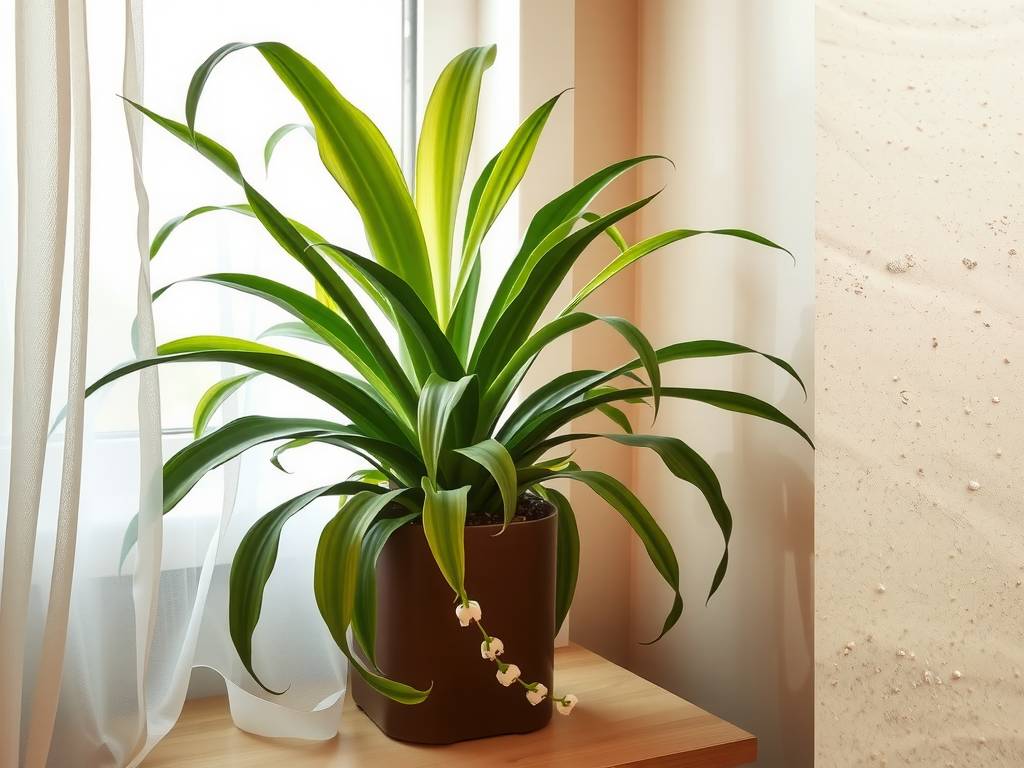
Spider plants, scientifically known as Chlorophytum comosum, are beloved for their arching green and white striped leaves and their prolific production of "spiderettes" or plantlets. They are native to South Africa, which gives us crucial clues about their care: they are adapted to environments with dappled sunlight and periods of dry soil. Grasping this origin is the first step to providing perfect care. They are not just survivors; they are vigorous growers that reward proper attention with cascading foliage and delicate, star-shaped trailing white flowers.
The Ideal Light: Embracing Filtered Sunlight
Spider plants have a clear preference when it comes to light. They thrive in bright, indirect, or filtered light. This mimics the conditions under the canopy of trees in their natural habitat.
What does filtered light mean? It's light that has been diffused, not the direct, harsh rays of the sun that can scorch their leaves. An east-facing window is often ideal, providing gentle morning sun. A spot a few feet away from a south or west-facing window, perhaps filtered by a sheer curtain, is also perfect.
Signs of incorrect lighting are easy to spot. If the leaves are fading, losing their vibrant stripes, or becoming leggy as they stretch toward a light source, your plant needs more brightness. Conversely, if you see brown, crispy tips or scorched patches on the leaves, it's getting too much direct sun. Adjust its position accordingly. Remember, the right filtered light is the primary engine for growth and the initiation of those coveted trailing stems with white flowers.
Mastering the Watering Routine for a Drought-Tolerant Plant
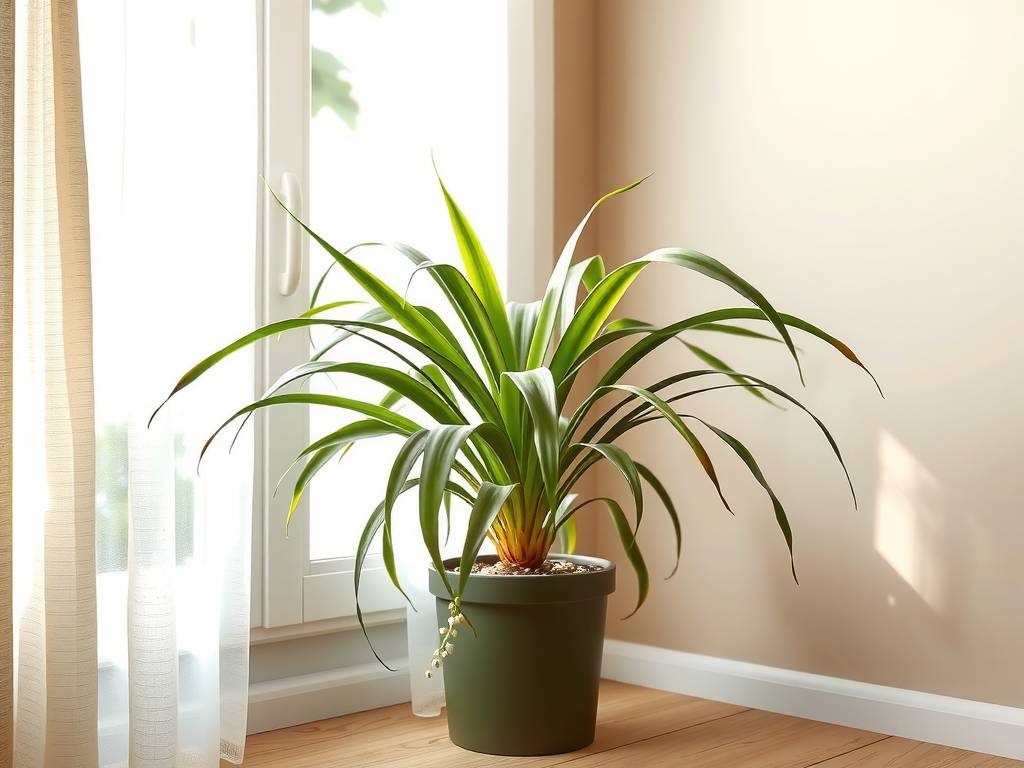
Here is where many spider plant owners go wrong. Labeled as drought-tolerant, these plants prefer to dry out between waterings. Their thick, tuberous roots store water, making them forgiving if you occasionally forget.
The golden rule is to check the soil. Insert your finger about an inch deep. If it feels dry, it's time to water. Water thoroughly until it runs out of the drainage holes, then allow all excess water to drain away completely. Never let your spider plant sit in a saucer of water, as this leads to root rot.
In general, watering once every 1-2 weeks during the growing season (spring and summer) is sufficient. In fall and winter, reduce watering frequency to every 2-3 weeks or when the soil is completely dry. Using room-temperature, filtered water can help prevent the common issue of brown leaf tips, which is often a reaction to chemicals like fluoride in tap water. Embracing its drought-tolerant trait is key to a healthy root system.
Soil, Potting, and Fertilizing for Optimal Health
Spider plants aren't fussy about soil but do best in a well-draining, peat-based potting mix. A standard all-purpose mix works well. Ensure your pot has adequate drainage holes. They actually enjoy being slightly root-bound, so repotting is only necessary every 2-3 years or when roots visibly circle the pot or emerge from the drainage holes.
Feeding your plant supports its growth and flowering. During the active growing seasons of spring and summer, fertilize with a balanced, water-soluble fertilizer (like a 10-10-10) diluted to half-strength once a month. Avoid over-fertilizing, which can cause brown leaf tips and hinder the plant's natural drought-tolerant resilience. There's no need to fertilize in the dormant fall and winter months.
Encouraging Trailing White Flowers and Spiderettes
The charming display of trailing white flowers and subsequent plantlets is a sign of a happy, mature spider plant. These features typically appear on long, arching stems called stolons.
To encourage flowering, ensure your plant is receiving sufficient filtered light and is slightly root-bound. A little stress from being snug in its pot can trigger its reproductive cycle. Once the small, star-shaped white flowers bloom, they will eventually develop into the miniature spider plants, or spiderettes. You can leave them attached for a beautiful cascading effect or propagate them to create new plants.
Common Problems and Simple Solutions
Even with the best care, issues can arise. Brown leaf tips are most common, often due to fluoride in water, over-fertilization, or low humidity. Using distilled water and flushing the soil periodically can help. Yellowing leaves may indicate overwatering. Allow the soil to dry out more between waterings.
Pests like spider mites and aphids can occasionally be a problem. Wiping the leaves with a damp cloth or using a mild insecticidal soap usually solves this. Remember, a plant kept in optimal filtered light with a proper drought-tolerant watering schedule is naturally more resistant to pests and diseases.
Propagation: Sharing the Joy
Propagating spider plants is incredibly easy. Simply snip off a spiderette that has developed small aerial roots. You can root it in water or plant it directly into a small pot of moist potting mix. Keep the soil lightly moist (not soggy) until new growth indicates it has established its own roots. This is a fantastic way to expand your collection or share with friends.
Why are the tips of my spider plant turning brown? Brown tips are very common and are rarely a sign of a serious health issue. They are most often caused by minerals or fluoride in tap water, low humidity, or occasional over-fertilization. You can trim the brown tips off at an angle for aesthetics, and consider using filtered or distilled water for future watering.
How often should I water my spider plant? There's no universal weekly schedule. The frequency depends on light, temperature, and pot size. Always use the "finger test": water only when the top inch of soil is dry. This honors the plant's drought-tolerant nature and prevents root rot. In most indoor settings, this translates to watering every 1-2 weeks in warm months and less often in winter.
My spider plant isn't producing babies or flowers. What's wrong? Lack of spiderettes or trailing white flowers usually points to insufficient light or a pot that is too large. Move your plant to a brighter location with plenty of filtered, indirect light. Also, these plants often need to become slightly root-bound to feel stimulated to reproduce. If it's in a very large pot, it may focus all its energy on root growth instead of flowering.
Spider plants are a testament to the beauty of adaptable nature. By providing bright filtered light, respecting their drought-tolerant watering needs, and offering basic care, you'll be rewarded with a vigorous, graceful plant. Its arching leaves will remain vibrant, and in time, it will likely gift you with delicate, trailing stems adorned with white flowers and new plantlets. This resilient plant not only purifies the air but also brings a cascade of life and greenery to your home with minimal fuss. Enjoy the process of nurturing it, and don't be afraid to learn from its subtle cues.