bluename
 How to Care for Asparagus Fern: A Guide to Thriving Delicate Foliage
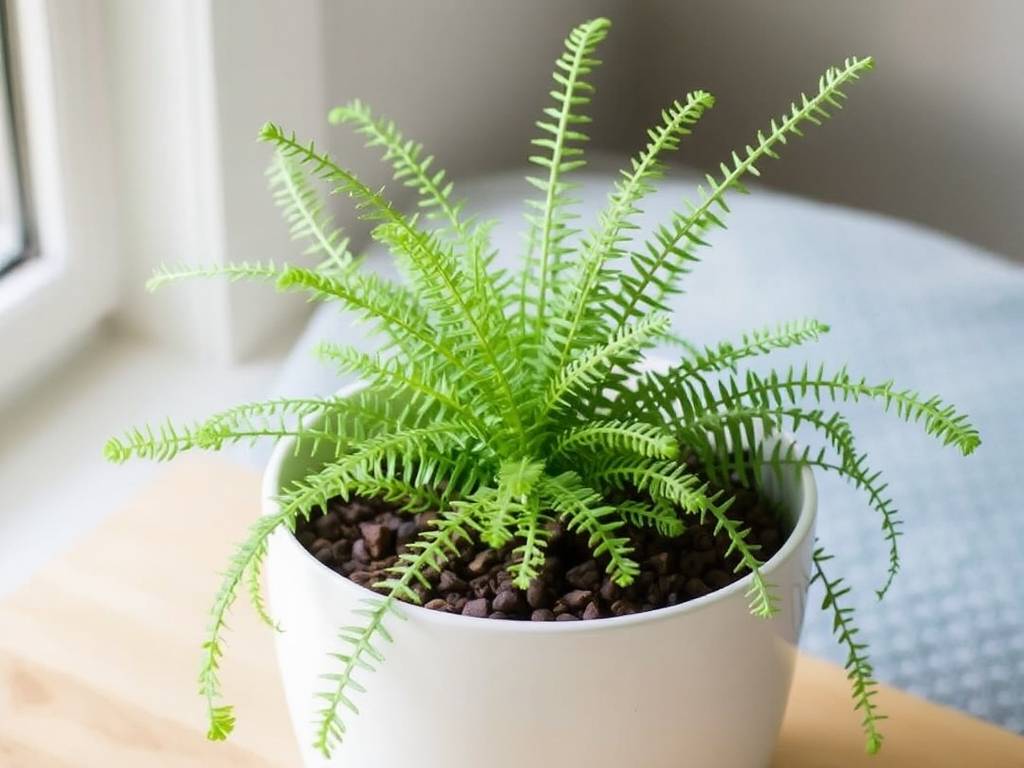
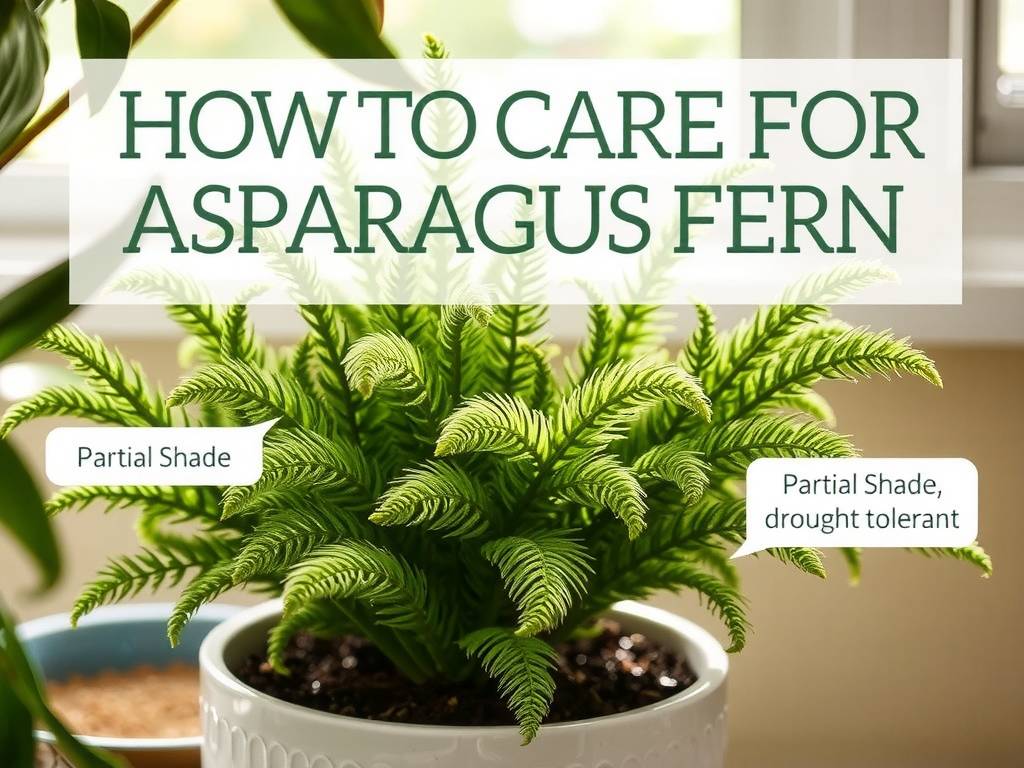
You've brought home a beautiful asparagus fern, captivated by its cloud-like, delicate foliage. But now, those feathery fronds are turning yellow, or perhaps they look dry and sparse. You're not alone. Many plant lovers find themselves puzzled by this seemingly fussy plant. The truth is, asparagus fern care hinges on understanding its few key needs: partial shade, a degree of drought tolerance, and respect for its fragile structure. Mastering these elements transforms it from a finicky guest into a lush, resilient companion.
This guide will walk you through every step, ensuring your asparagus fern not only survives but thrives, filling your space with its timeless, airy elegance.
Understanding Your Asparagus Fern
First, let's clarify: the asparagus fern isn't a true fern. It's a member of the Asparagaceae family, related to the edible asparagus. This explains its tuberous roots and its unique growth habit. Its "leaves" are actually modified stems called cladodes. This botanical background is key to its care—it's tougher than it looks but has specific demands.
The most common varieties include the Asparagus setaceus (plumosa fern), known for its fine, lace-like foliage, and the Asparagus densiflorus (Sprengeri fern), with thicker, arching stems. Both share core care requirements.
The Golden Rule: Perfect Light in Partial Shade
The single most important factor for healthy asparagus fern care is getting the light right. These plants naturally grow under the canopy of larger trees, which makes them ideal candidates for partial shade.
What does partial shade mean in practice? It means bright, indirect light. Imagine a spot where the sun's rays never directly hit the foliage but the room is consistently well-lit. An east-facing window is often perfect, offering gentle morning sun. A north-facing window can also work well. A few feet back from a south or west-facing window, shielded by a sheer curtain, is another excellent location.
Direct, harsh sunlight is the enemy. It will quickly scorch the delicate foliage, leading to yellow, crispy fronds. Conversely, deep, dark shade will cause the plant to become leggy as it stretches for light, resulting in sparse growth and poor color.
Watering Wisdom: Embracing Its Drought-Tolerant Nature
Here's where many go wrong. While asparagus ferns appreciate consistent moisture, their tuberous roots store water, giving them a surprising drought-tolerant capacity. Overwatering is a far greater threat than underwatering.
The goal is to mimic a natural cycle of moderate moisture followed by a slight dry period. Follow the "soak and dry" method:
- Check the soil: Insert your finger about an inch into the potting mix. If it feels dry, it's time to water.
- Water thoroughly: Take the plant to the sink and water slowly until you see a steady stream flow from the drainage holes. This ensures the entire root ball is hydrated.
- Let it drain: Never let the plant sit in a saucer of water. Empty it after 15-20 minutes to prevent root rot.
In the warmer, brighter growing season (spring and summer), you may water once a week. In fall and winter, reduce watering frequency significantly, potentially every two to three weeks. The plant's growth slows, and its water needs drop. As noted by horticulturist Jane Smith in The Indoor Plant Journal, "Treating asparagus ferns as moisture-loving plants is the most common pitfall. Their roots need to breathe between waterings."
Soil and Potting: The Foundation for Health
The right soil supports your watering strategy. A well-draining, peat-based potting mix is ideal. You can use a standard all-purpose mix and enhance it by adding perlite or orchid bark to improve aeration and drainage.
Repotting is typically needed every 2-3 years in spring. You'll know it's time if you see roots growing out of the drainage holes or the plant dries out extremely quickly. Choose a pot only 1-2 inches larger in diameter. A pot that's too large holds excess soil that stays wet, risking root rot. Gently loosen the root ball when repotting, and be prepared for some delicate foliage loss—it's normal.
Humidity and Temperature: Creating a Comfortable Environment
While adaptable to average home humidity, asparagus ferns truly shine with a bit of extra moisture in the air. Their delicate foliage can brown at the tips in very dry environments (common in winter with heating). To increase humidity:
- Group it with other plants.
- Place the pot on a pebble tray filled with water (ensure the pot sits above the waterline).
- Use a room humidifier.
They thrive in standard household temperatures between 65°F and 75°F (18°C - 24°C). Protect them from cold drafts, air conditioning vents, and sudden temperature swings.
Feeding and Pruning for Lush Growth
Feed your asparagus fern with a balanced, water-soluble fertilizer (like a 10-10-10 formula) diluted to half strength. Apply it once a month during the active growing season (spring and summer). Do not fertilize in fall and winter.
Pruning is essential for maintaining a dense, attractive shape and managing its sometimes-vigorous growth. Use clean, sharp scissors to:
- Trim back any long, leggy stems to a base node.
- Remove any stems that are entirely yellow or brown.
- Regularly snip off dead or damaged foliage to encourage new growth. Don't be afraid to give it a light overall trim in spring to rejuvenate it.
Troubleshooting Common Issues
- Yellowing Fronds: This is the most common complaint. The cause is usually overwatering or poor drainage. Check your soil moisture and watering frequency first. It can also be caused by too much direct sun or a need for fertilizer.
- Brown, Crispy Tips: Typically a sign of low humidity or underwatering. Increase ambient moisture and check that you are watering thoroughly when you do.
- Leaf Drop: Some seasonal shedding is normal. Significant drop can be due to a sudden change in environment (temperature, light), or prolonged drought stress.
- Pests: Watch for spider mites (especially in dry air) and mealybugs. Wipe foliage with a damp cloth or use insecticidal soap or neem oil for treatment.
Propagating Your Asparagus Fern
The easiest way to propagate is by division during repotting. Gently separate a section of the tuberous roots with attached stems, pot it in fresh mix, and care for it as usual. You can also try propagating from stem cuttings placed in water or moist soil, though division is more reliable.
Why are the leaves on my asparagus fern turning yellow? Yellow leaves are most often a sign of overwatering. Allow the soil to dry out more between waterings and ensure your pot has excellent drainage. It can also indicate too much direct sunlight or a nutrient deficiency if the plant hasn't been fed in a long time.
Is the asparagus fern safe for pets? No. Asparagus ferns are considered toxic to cats and dogs if ingested, as they can cause gastrointestinal upset and skin irritation. It's best to place them in a location out of reach of curious pets.
Can my asparagus fern go outside in the summer? Yes, absolutely! Moving your asparagus fern to a shaded patio or under a tree for the summer can be beneficial. The increased humidity and air circulation often lead to a growth spurt. Just remember to acclimate it gradually to avoid shock, keep it in full shade, and bring it back indoors well before the first frost.
Caring for an asparagus fern is a rewarding practice in balance. By providing the sanctuary of partial shade, respecting its drought-tolerant roots with thoughtful watering, and handling its delicate foliage with care during grooming, you'll be rewarded with a breathtaking display of textured green beauty. This plant teaches us that resilience often comes from understanding, not from constant attention. With these principles in mind, your asparagus fern will grow into a mature, flourishing specimen, proving that the most elegant things often have the simplest needs.