bluename
 How to Grow Asparagus Fern: Key Knowledge for Daily Care
Understanding the Asparagus Fern: Its Natural Habits
1. Light: The Foundation of Healthy Growth
What Kind of Light Does an Asparagus Fern Need?
Practical Tips for Light Placement
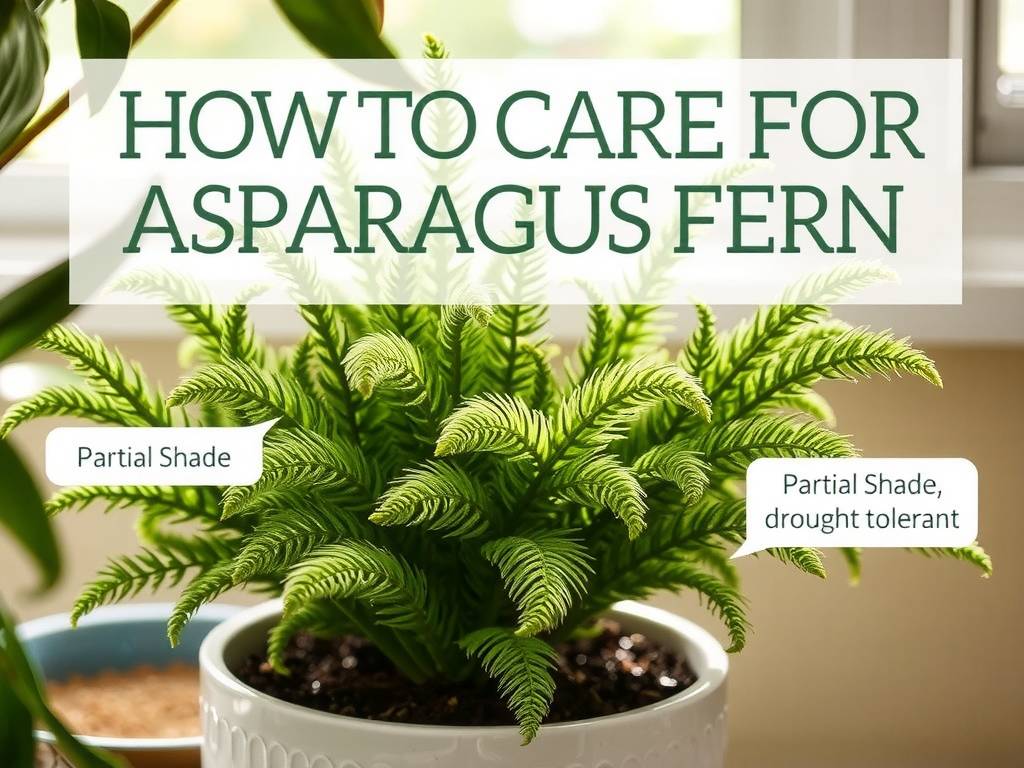
East-facing windows: These are ideal because they provide gentle morning sun (which the plant can handle) and indirect light for the rest of the day. Place your asparagus fern on the windowsill or a nearby table.
South-facing windows: If you only have south-facing windows, position the plant 2–3 feet away from the glass, or use a sheer curtain to soften the light. This prevents sunburn while still giving it enough brightness.
Low-light homes: If your home doesn’t get much natural light, you can use a LED grow light. Set it to 12–14 hours a day, and hang it 12–18 inches above the plant. This will keep the foliage full and green, even in darker spaces.
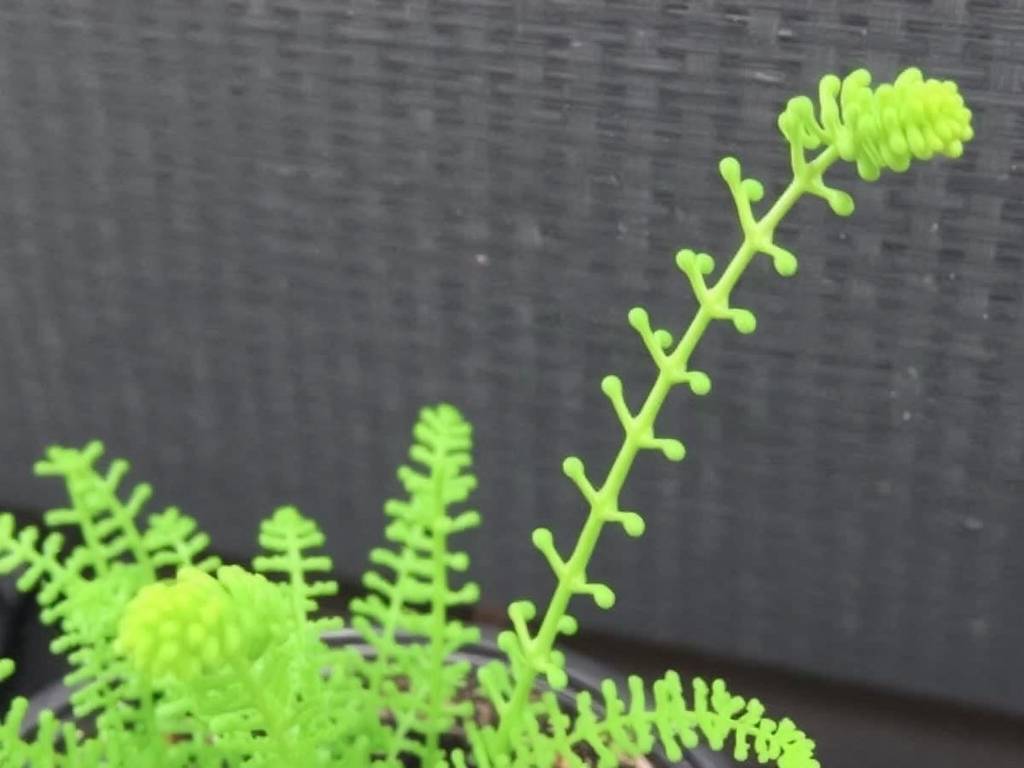
Avoid drafts: Don’t place your asparagus fern near windows or doors that get cold drafts, even if they have good light. Cold air can damage the leaves and slow growth.
2. Watering: Balance Is Everything
How Often to Water Your Asparagus Fern
Spring and summer: During the growing season, the plant needs more water. You’ll probably need to water every 5–7 days.
Fall and winter: Growth slows down, so the plant needs less water. Water every 10–14 days, or when the soil feels dry deeper down.
How to Water Correctly
Signs You’re Watering Wrong
Underwatering: Wilting leaves, dry, crispy edges, and soil that pulls away from the sides of the pot. If this happens, water thoroughly and the plant should perk up within a day.
Overwatering: Yellow leaves (especially near the base), soft, mushy stems, and a damp, musty smell. If you see these signs, stop watering, remove the plant from the pot, and trim any brown, rotted roots before repotting in fresh soil.
3. Humidity: Keep the Air Moist for Fresh Foliage
Easy Ways to Increase Humidity
Mist the leaves: Fill a spray bottle with room-temperature water and mist the fronds 2–3 times a week. Avoid misting too much in low-light areas, as this can lead to mold growth.
Use a pebble tray: Fill a shallow tray with pebbles, then add water until it reaches just below the top of the pebbles. Set the pot on top of the pebbles—As the water evaporates, it creates a humid microclimate around the plant. Refill the tray when the water dries up.
Group plants together: Plants release moisture through their leaves (a process called transpiration). Grouping your asparagus fern with other humidity-loving plants (like pothos, peace lilies, or other ferns) will naturally raise the humidity in the area.
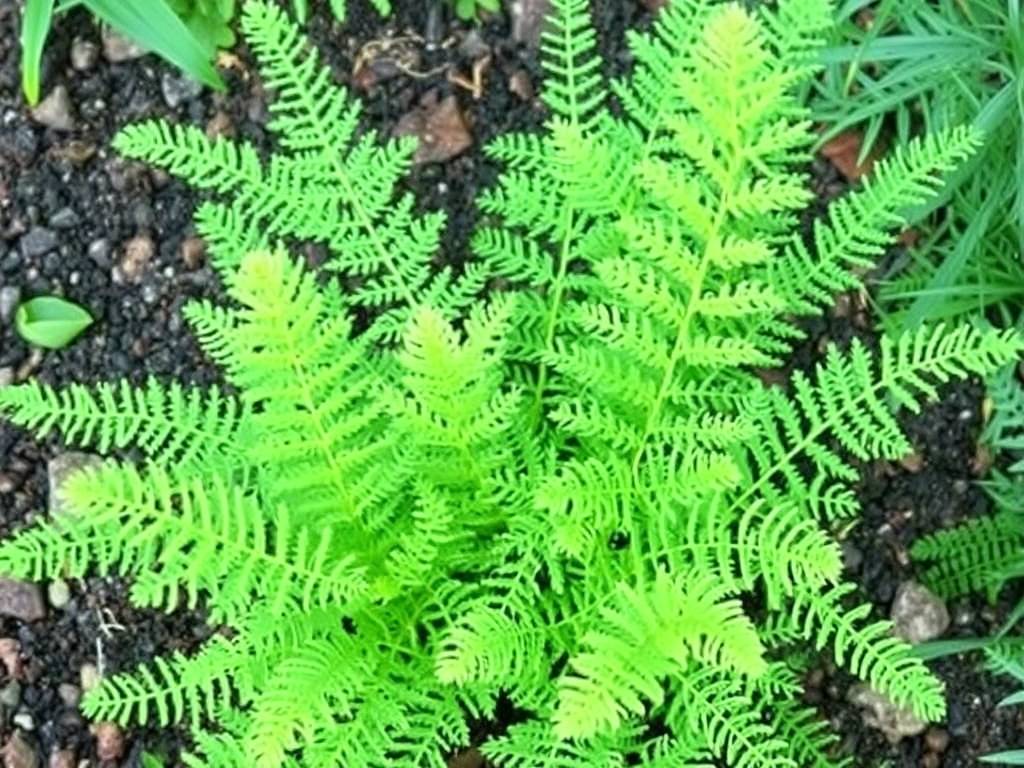
Use a humidifier: If you have a very dry home, a small humidifier near the plant is the most effective solution. Aim for a humidity level of 40–60%—you can use a hygrometer to check. This will keep the cladodes soft and green, even in winter.
4. Soil: The Right Mix for Healthy Roots
Best Soil Mix for Asparagus Ferns
2 parts peat moss or coconut coir (retains moisture without getting soggy)
1 part perlite or vermiculite (adds air pockets and improves drainage)
1 part high-quality potting soil (provides nutrients for growth)
Repotting: When and How to Do It
Roots are growing out of the drainage holes at the bottom of the pot.
The plant is top-heavy and tips over easily.
The soil dries out within a day of watering (a sign the roots are packed too tightly).
Choose a pot that’s 1–2 inches larger in diameter than the current pot. Don’t go too big—too much extra soil will hold water and cause root rot.
Fill the bottom of the new pot with a 1-inch layer of the soil mix.
Gently remove the plant from its old pot. If the roots are tightly bound (root-bound), loosen them slightly with your fingers to encourage new growth.
Place the plant in the new pot, then add more soil around the roots. Press down gently to remove air pockets—don’t pack the soil too tightly.
Water thoroughly after repotting to help the plant settle into its new home.
Keep the plant in a shaded spot for a few days to reduce stress, then move it back to its usual light source.
5. Temperature: Keep It Warm and Stable
Temperature Tips
Cold drafts: Keep the plant away from open windows in winter, air conditioners, or doorways that let in cold air. Temperatures below 50°F (10°C) can damage the leaves, causing them to turn yellow or brown.
Heat sources: Don’t put the plant near radiators, heaters, or stovetops. Dry, hot air will dry out the foliage and cause brown tips.
Seasonal changes: In summer, you can move your asparagus fern to a shaded outdoor spot (like a porch or patio) if you want. Just make sure it’s not exposed to direct sun or strong winds, and bring it back inside when temperatures drop below 55°F (13°C).
6. Fertilizer: Feed Sparingly for Growth
When and What to Fertilize
Timing: Fertilize only during the spring and summer (March to September), when the plant is growing actively. Stop fertilizing in fall and winter—growth slows down, and the plant can’t absorb the nutrients, which leads to salt buildup in the soil.
Type of fertilizer: Use a balanced, water-soluble fertilizer (like 10-10-10 or 20-20-20) diluted to half strength. This means mixing the fertilizer with water according to the package instructions, then using half the recommended amount of fertilizer. For example, if the package says 1 teaspoon per gallon of water, use ½ teaspoon.
Frequency: Fertilize every 4–6 weeks during the growing season. This gives the plant a steady supply of nutrients without overwhelming it.
Signs of Overfertilizing
7. Pruning: Keep Your Plant Tidy and Full
When to Prune
How to Prune
Tools: Use clean, sharp scissors or pruning shears. Wipe the blades with rubbing alcohol before and after pruning to prevent the spread of disease.
Remove dead growth: Cut off any yellow, brown, or crispy leaves at the base of the stem (where they meet the main plant). This redirects the plant’s energy to new growth.
Trim leggy stems: If the plant is getting too tall or sparse, cut back the longer stems to about 2–3 inches above a set of healthy leaves. New growth will sprout from the cut, making the plant bushier.
Don’t be afraid to cut back: Asparagus ferns are resilient—even if you prune off a lot of growth, the plant will bounce back. This is especially helpful if your plant is looking overgrown or straggly.
Troubleshooting Common Asparagus Fern Problems
Problem 1: Yellow Leaves
Causes: Overwatering (most common), underwatering, too much direct sun, or low light.
Fix: Check the soil first—if it’s soggy, stop watering and let it dry out. If it’s dry, water thoroughly. Move the plant to a spot with bright, indirect light. If the leaves are yellow and the soil is moist, check for root rot (remove the plant from the pot and look for soft, brown roots). Trim any rotted roots and repot in fresh soil.
Problem 2: Brown, Crispy Leaf Tips
Causes: Low humidity, underwatering, overfertilizing, or dry air from heaters.
Fix: Boost humidity with a pebble tray or humidifier. Check the soil regularly to keep it evenly moist. If you’ve been fertilizing a lot, flush the soil. Trim the brown tips with clean scissors (cut at an angle to mimic the natural shape of the leaf).
Problem 3: Leggy, Sparse Growth
Causes: Too little light, or the plant is root-bound.
Fix: Move the plant to a brighter spot with indirect light. If it’s root-bound, repot it into a slightly larger pot. Prune back leggy stems to encourage bushier growth.
Problem 4: Pests (Mealybugs, Spider Mites)
Causes: Dry air (spider mites love dry conditions) or bringing in an infested plant from outside.
Fix: Wipe the leaves with a damp cloth to remove pests. For mealybugs (white, cottony spots), use a cotton swab dipped in rubbing alcohol to kill them. For spider mites (tiny red or brown dots, plus webbing), spray the plant with a mixture of water and a few drops of mild dish soap, then rinse with clean water. Repeat every 3 days until the pests are gone. Boost humidity to prevent future infestations.
Final Tips for Successful Asparagus Fern Care
Light: Bright, indirect light (no direct sun!).
Water: Keep soil moist but not soggy—water when top 1–2 inches are dry.
Humidity: 40–60% (mist, pebble tray, or humidifier).
Soil: Well-draining mix (peat moss, perlite, potting soil).
Temperature: 60–75°F (avoid cold drafts and heat sources).
Fertilizer: Half-strength balanced fertilizer every 4–6 weeks (spring/summer only).
Pruning: Trim dead growth and leggy stems to keep it full.